As Aperture Reopens, Photography Gets a New Home
“The idea is that it always feels intimate. It always feels welcoming.”
When I arrive at 380 Columbus Avenue, there’s a whirr of construction as Aperture prepares to open its new home to the public on September 18. Books are being loaded onto shelves, air conditioners uncovered, desk chairs delivered, and pedestal cabinets tucked beneath desks. Founded by legendary photographer Ansel Adams in 1952, the lauded photography nonprofit publisher Aperture is dedicated to advancing “photography’s vital role in nurturing curiosity and encouraging a more just, tolerant society.” Its new space occupies a converted 1885 multifamily residence, complete with original fireplaces and tilework; former Russian baths and a safe deposit room now house their offices.
When I meet Aperture’s Executive Director, Sarah Meister, at the soon-to-open space, we weave through cardboard boxes and rolling carts for a tour of what will become its new workspaces, gallery, and bookstore. After five years without a standalone home for books and programming—and nearly two decades in its previous Chelsea location—Meister is excited to have a place that belongs to the publisher alone. Aperture has moved many times over the years, from San Francisco to Rochester and Millerton, New York, and most recently Chelsea, but owning its own space promises a new kind of stability. Without the looming concern of rising rent, the nonprofit can redirect its resources toward its core work: its print and online magazine, book publishing, exhibitions, programming, prints, and awards.
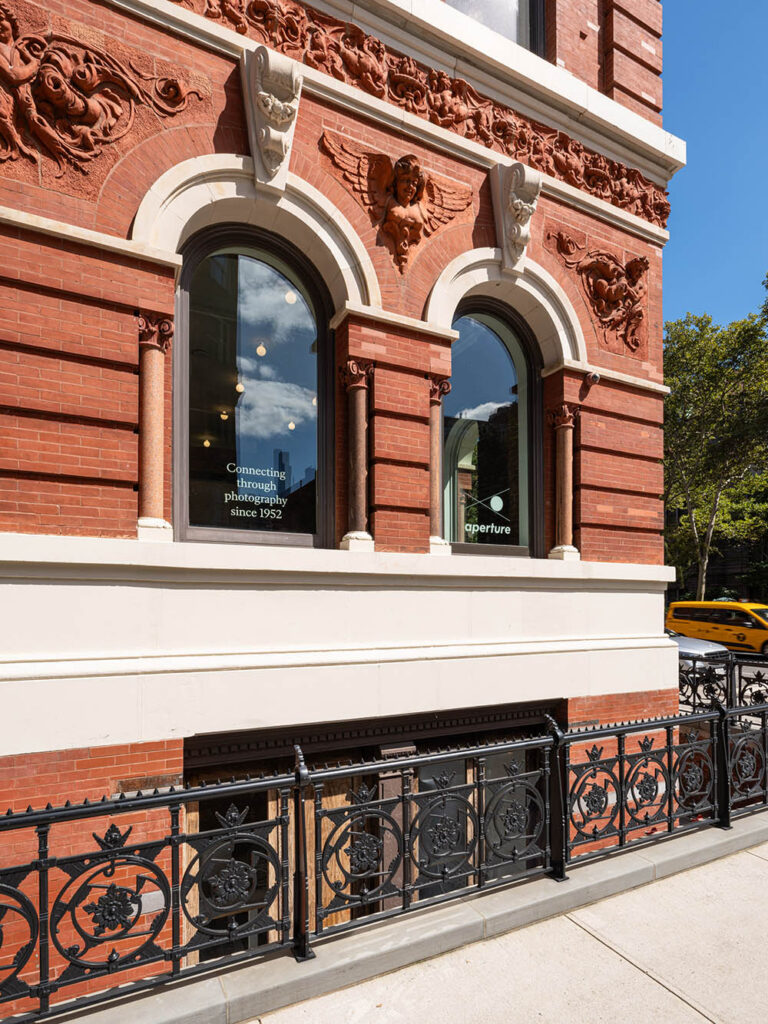
One of the biggest goals of the new space is to continue embodying Aperture’s original directive of reaching “serious photographers and creative people everywhere,” as Meister says. The hope is to do that in part by being easier to access physically. Walking up to the doors right on Columbus Avenue, after all, is significantly easier than accessing their previous space on the fourth floor of a building amongst Chelsea’s galleries. Here, there will be the possibility of actually looking in the windows to see what might be going on on a given day, although Meister is firm in her desire to make sure the space, though amongst museums, is not one of them. Still, Aperture is courting the same kinds of visitors–not just people seeking them out, but those finding it for the first time alongside the possibility of foot traffic from tourists. “I’m a recovering curator, so I didn’t want it to feel like a museum. We don’t want it to feel like a commercial gallery,” she says. “The idea is, it doesn’t feel too precious; it feels inviting. But there’s always something interesting on view, always a reason to come in.” Perhaps accordingly, Meister is also excited about the photobooth that will live in the lobby.
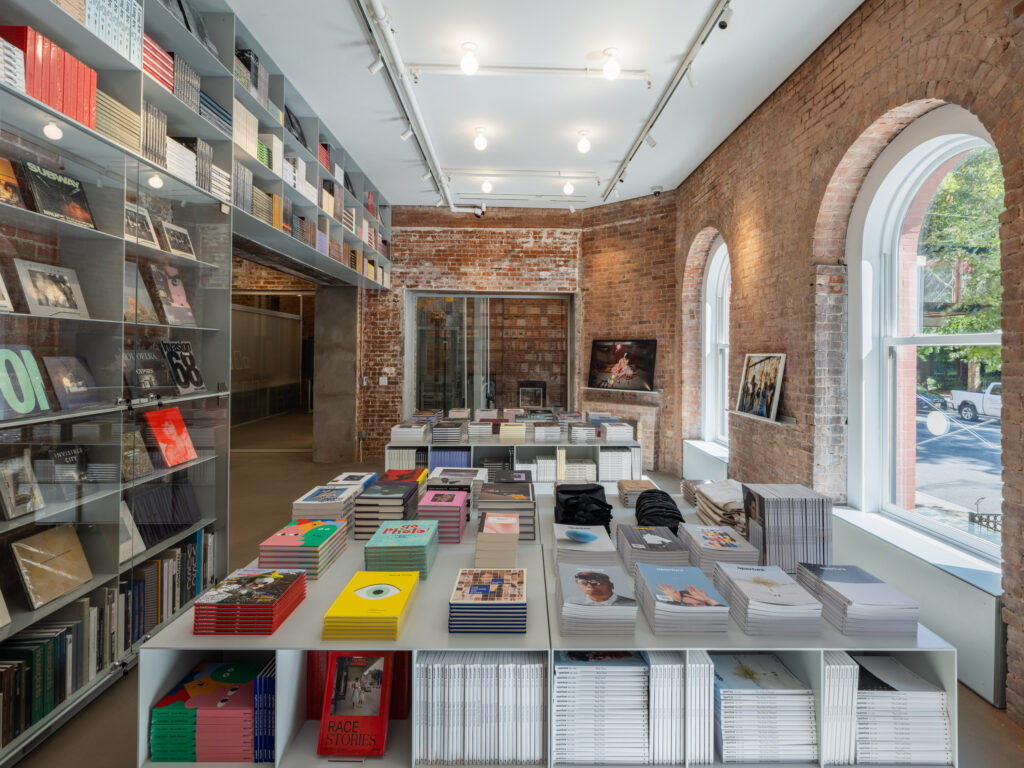
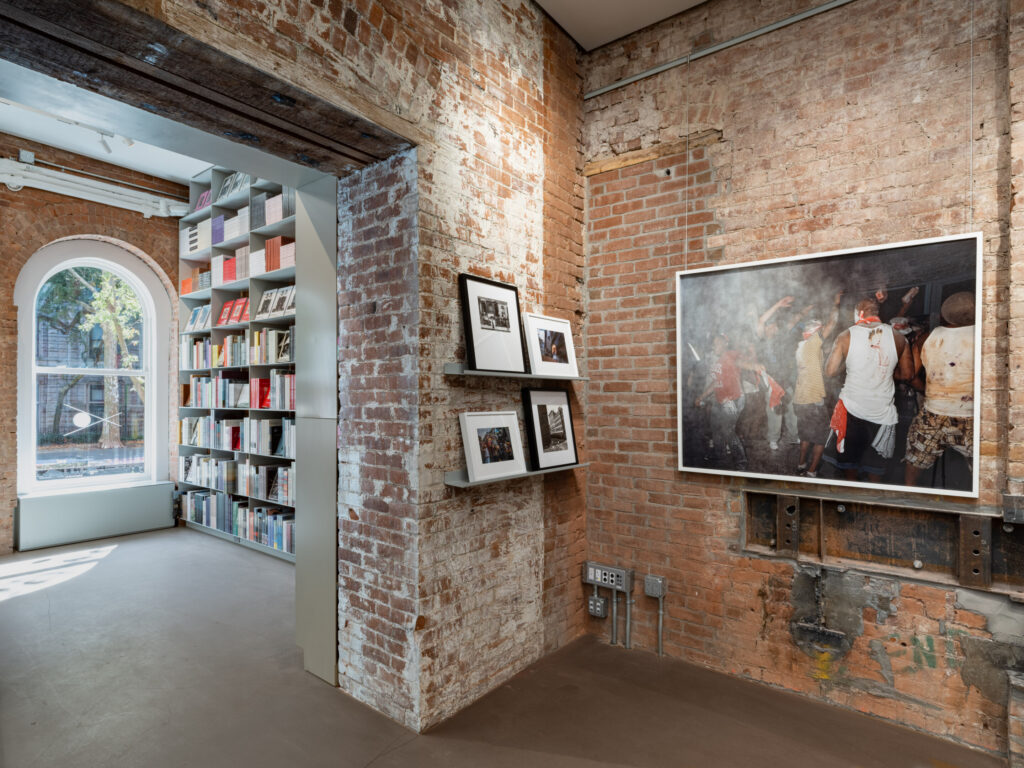
Where the Chelsea space had a sprawling, more formalized gallery setup, the one at 380 Columbus will be smaller and more casual—the difference, for example, between prints leaning against the building’s exposed brick and hanging flush against a white wall. The publisher’s programming will continue, but the gallery will take a secondary role as its book and magazine publishing moves to center stage. The bookstore will be a driving force, with Aperture titles featured alongside a selection curated by East Village art-book purveyor Dashwood Books. A new series of Aperture merchandise from High Tide and artist collaborations—including an umbrella featuring work by photographer Vik Muniz—will live there, too.
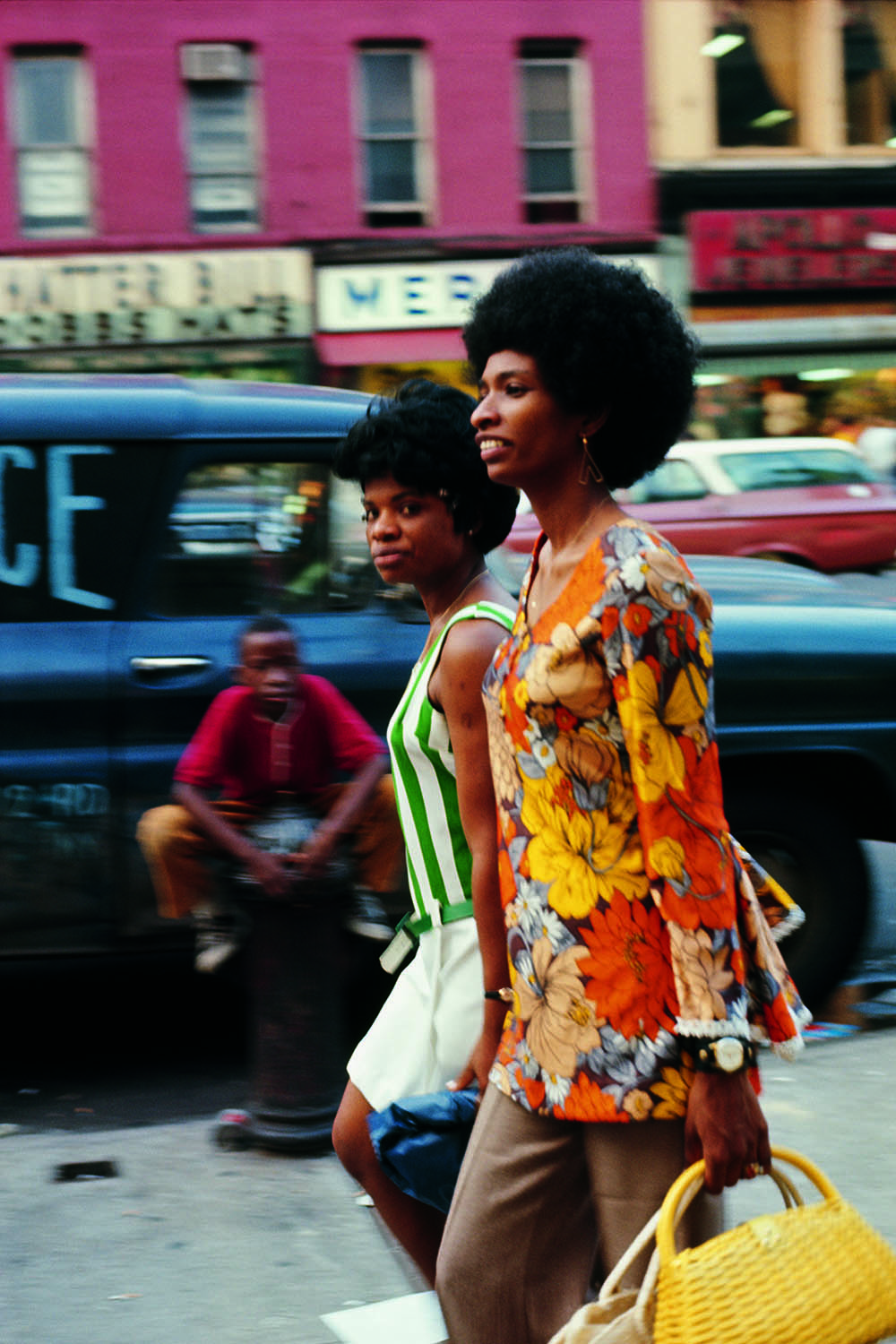
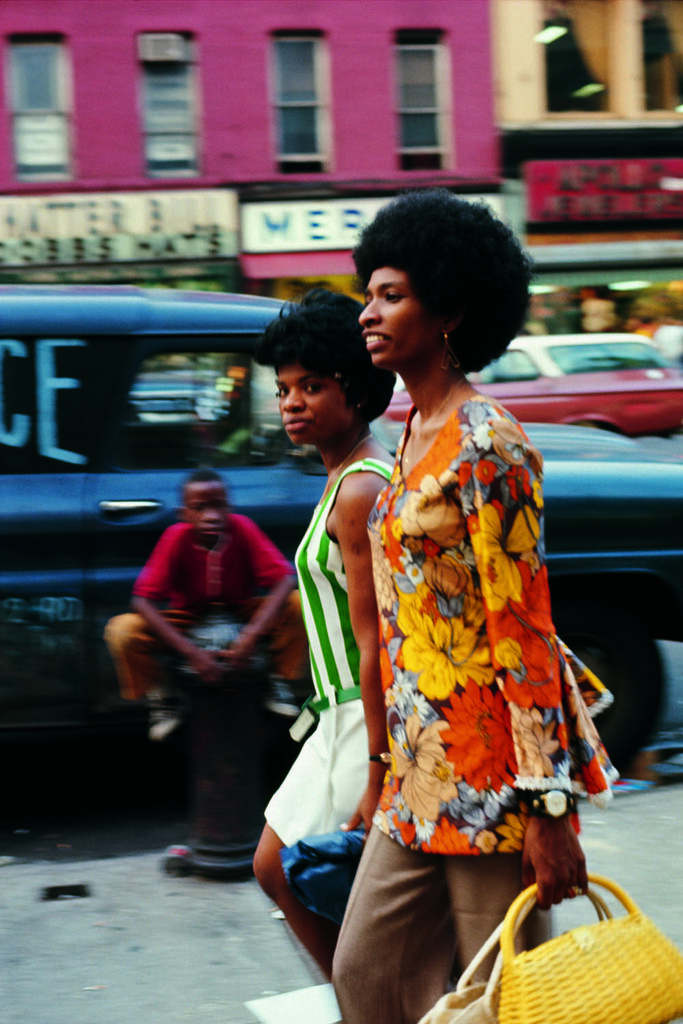
When construction cleared away and Aperture’s new home opened on September 18, guests milled about the space in true New York fashion, sipping coffee and eating bagels with schmear, black-and-white cookies, and rugelach provided by Zabar’s. The inaugural exhibition, “Aperture Loves New York,” was on view, beginning a program of exhibitions that will always be free to the public. Featuring images by Diane Arbus, Nan Goldin, Dawoud Bey, Robert Frank, Carrie Mae Weems, Ethan James Green, and others, the show traces New York history across frames resting gently against exposed brick. It is a history told through storefronts and rubble, double Dutch and cigarettes, street signs, poses, and celebrations. In the bookstore, a selection curated by Anishka Varma, founder of New Delhi’s Offset Projects, highlights independent photobook publishing and artists from India. “We want to be super local in our inaugural installation and as an invitation to our neighbors, but we also want to remind people that Aperture is global. We’re not just interested in a local conversation,” Meister says.
In the lobby, the photobooth is now up and running, offering a choice between black-and-white and color. Inside, tomes in the bookshop are still being unwrapped. Exposed brick arches above century-old windows looking out onto Columbus Avenue through a printed Aperture logo. Soon, the publisher’s programming will begin, bringing book launches, artist talks, conversations, and more to the space, further cementing the presence of both Aperture and photography in the neighborhood. “The idea is that it always feels intimate. It always feels welcoming,” Meister says. Outside, yellow cabs stream past and dogs on leashes amble by. It feels so New York. It feels like home.
Discover More