Photographers Sølve Sundsbø & Raghu Rai Look To India for The Pirelli 2027 Calendar
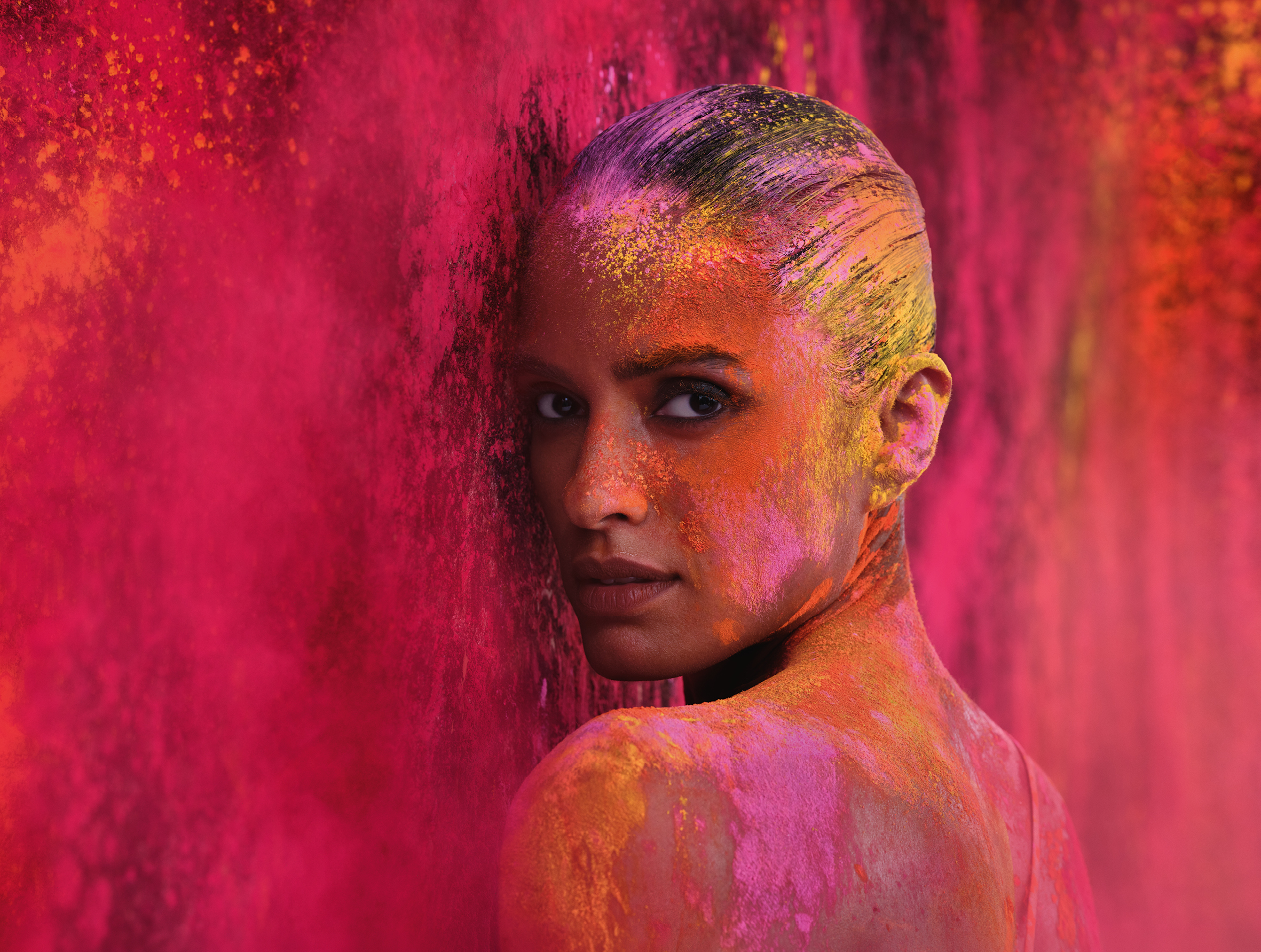
Starring Freida Pinto, Padma Lakshmi, Anoushka Shankar, Rupi Kaur, Aditi Rao Hydari, Avantika Vandanapu, Bhavitha Mandava and more
Since 1964, Pirelli has called on some of the world’s greatest photographers to create work for its annual calendar, lovingly known as “The Cal.” This year, photographers Sølve Sundsbø, Raghu Rai, and Avani Rai crafted images celebrating the culture and beauty of India.
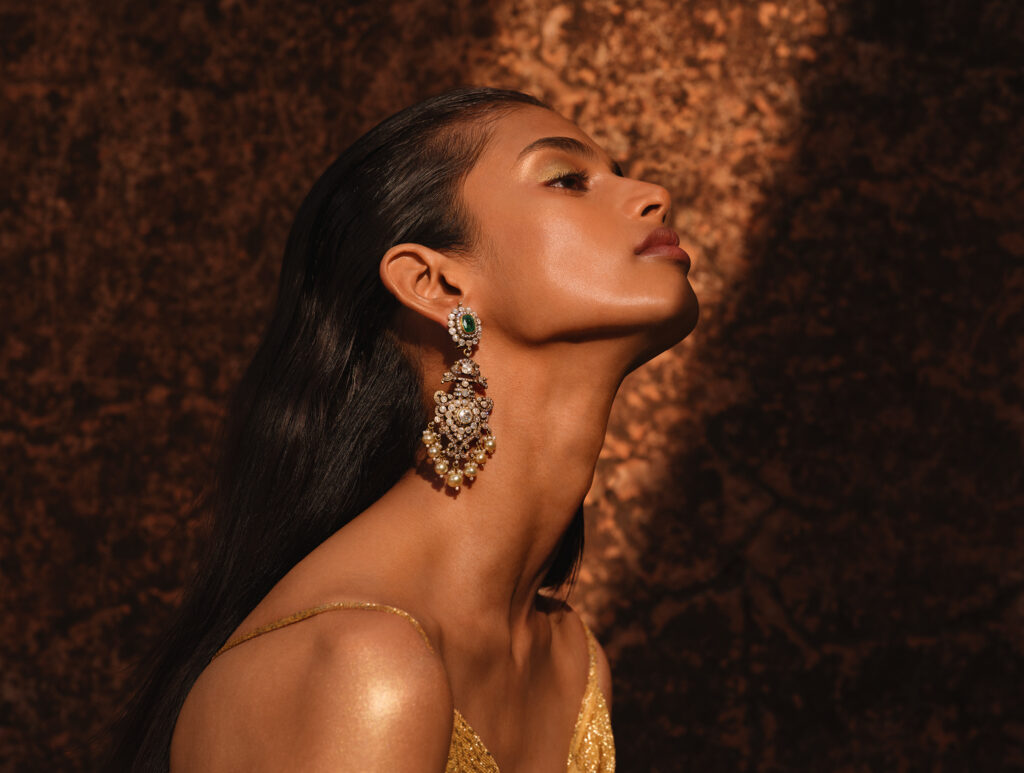
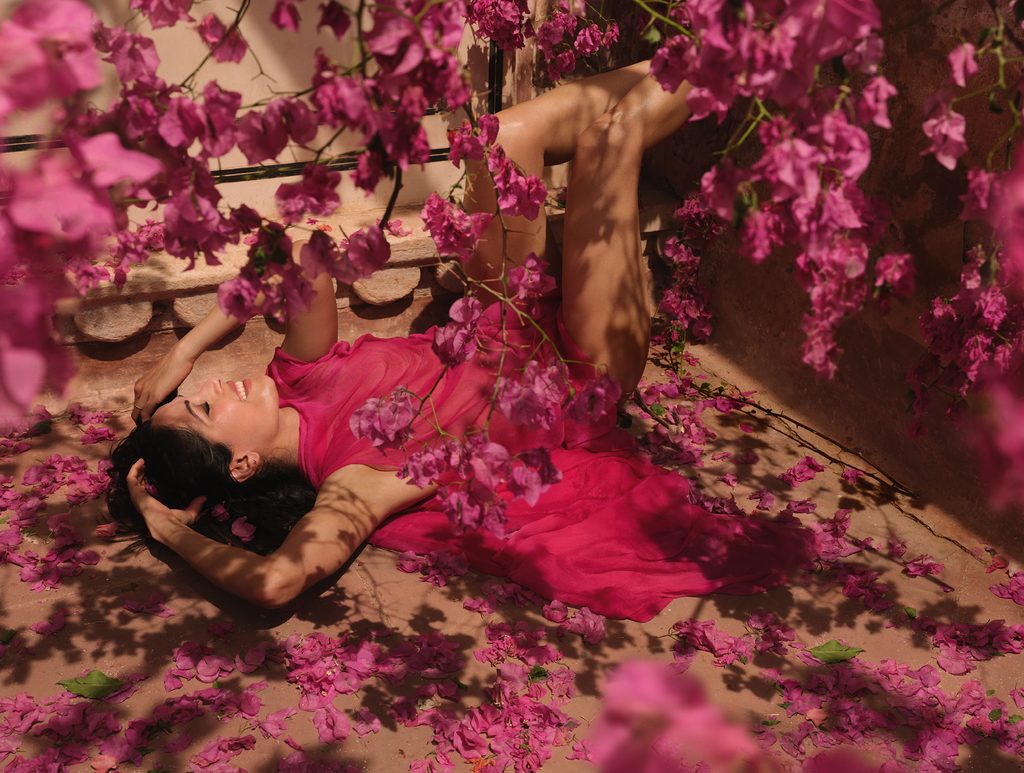
Sundsbø’s contribution included portraits shot on location in India, and in conversation with the subjects themselves: Freida Pinto, Padma Lakshmi, Anoushka Shankar, Rupi Kaur, Aditi Rao Hydari, Avantika Vandanapu, Lakshmi Menon, Bhavitha Mandava, and Avani Rai. It also marked the second year in a row that Sundsbø, a beloved V & VMAN contributor, shot the calendar, itself long a career milestone for photographers. The other portion of the Pirelli project, images of life in India, was initially taken on by legendary Indian photographer Raghu Rai, but he passed away shortly before the project began. His mantle was taken up by his daughter, Avani Rai. Avani incorporated Raghu’s black-and-white work into the creation of her own images in his honor. Together, the Pirelli images this year become a celebration of India’s color and vibrance, yes, but they’re also an exercise in the preservation of a culture, a moment, and a memory.
V spoke with Sølve Sundsbø and Avani Rai about the experience of creating the Pirelli images in India this year, their goals as photographers, and how cultural experience shapes their work.
Sølve Sundsbø
V: How did the process of working on the calendar this year differ from your first time?
Sølve Sundsbø: It was a very different experience because last time it was basically a bit of a carte blanche. I talked to them about concentrating on nature, and it was much more conceptual, born out of my head, and a more introverted process. This time it was more of a theme. At the start, it was quite scary for me because I didn’t feel like I was the right person for it before I got the full context on how we did it as a collaboration with an Indian photographer. At first I was like, I’ve got nothing. I have no right to kind of do this because I’m from Norway. I live in London. What do I know about India? But then it was more clear that [we’d] have two perspectives on the theme. I thought that was an interesting take on it. That also enabled me because in the start the collaborator was Raghu Rai. I’m a huge admirer of his work. That was a dream. He suddenly died just before the shoot, and it became obvious that his daughter would stay on board. It became clear that I didn’t have to cover that subject [of life in India] at all because someone else was doing that. Then I said, “Well, then I could do portraits of women from India or women of Indian origin.” So then it became a different path and something I felt more like I could be comfortable doing, and that’s what we did. This time [the shoot] was more straightforward, [it was] daylight on location. Last time we took nature into a studio, we shot inside, although we felt like we were outside. This time it was simpler.
V: Did you have a specific vision for how you wanted to carry the images out?
SS: Obviously, there’s always limitations. That’s what we thrive on in our job. India has everything. It’s the Himalayas. It’s beaches. It’s jungle. It’s so vast as a country, and ideally you could travel around for months and do this, but it wasn’t possible. We concentrated on one or two places in one area, then made sure that there were loads of places I liked that we could photograph in, and then we went there. Then it’s like, okay, the light is going to be beautiful there, let’s shoot there. Then you speak to all these people in advance about things that are significant to them, ideas you have, thoughts about how the picture can be. With Anoushka [Shankar], I had this idea of pictures from the monsoon. And she was like, as a child, I loved the monsoon, I loved the rain. So it’s like, okay, let’s shoot you in the rain. And she was like, amazing. You come up with these ideas through these conversations. Because my task to myself through conversation with Pirelli was: when you close your eyes and think of India, what do you see? You see colors, vibrancy. I didn’t want it to be a super stylized abstract. It’s never going to be real, but I wanted to be as real as you could within this context. My job was more to close my eyes, [ask] what do I see, and take a picture of that.
V: What was the experience of making the images happen in those places, and to shoot in India overall?
SS: It was incredible. It was hot, 40 degrees centigrade [about 104 degrees Fahrenheit]. It was intense. India is intense. I’m from Norway, where everything is slowed down and quite chilled. In India, it’s like opening up the door to a furnace, and then all life sort of jumps towards you. And if we go on a shoot typically, there might be a huge shoot, 40 or 50 people. Here we’re talking about 200 people. There’s a lot of everything, but everyone after the shoot was like, this is one that I [will] remember for the rest of my life. I know that sounds like a cliché, but these things don’t happen so often anymore. There are not that many people who do go on a journey, and say okay, we’re going to shoot for five days. It doesn’t really happen. It was a blast from the past, and the fact that they [Pirelli] invest in making a beautifully printed object, they do go on location, they do spend time. [It’s] this incredible gift. It’s fun to remember, that’s for sure. This whole project for me was about portraits. I never ever intended to try to capture the essence of India. I think that would have been too ambitious, and I would have been out of my comfort zone, being not from India myself. So the whole process was about portraits that tell you you’re in India without trying to throw too much on it. It was all about the light, the texture. I can smell it and I had the luxury of having all of those senses as well get into the [images].
V: What about the experience of working with the subjects?
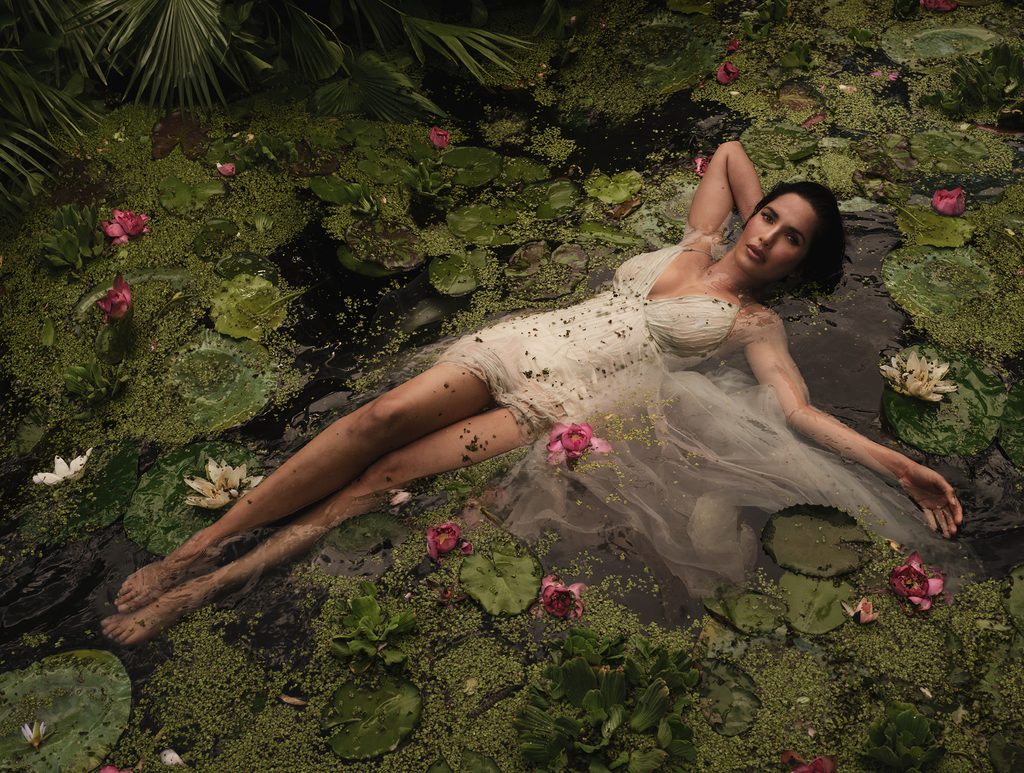
SS: I’d spoken to most of them either directly or indirectly before the shoot [about] certain ideas I wanted to do. They were all aware, but obviously I wanted [the shots] to be subject to going and seeing what’s there. If you’re there and it’s sunny, it’s one thing. If you go there and it’s pouring rain, it’s a different story. It was all about having certain ideas prepared, then going with the flow. And it’s always a collaboration with the person you photograph in a situation like that. So if you come with an idea and you only have one idea and that person says, “Well, I don’t really feel comfortable with it,” then you’re stuck. You want to treat them with respect. You also want to be selfish enough to have a plan that you don’t stand there with your camera going, “Okay, so what do we do now?” But respect is obviously the most important part. I said, “Well, I’ve got this idea and I got that idea. How do you feel about that?” Things get born out of that. Padma’s picture–Padma means lotus flower in Sanskrit–so we had lotus flowers. With Anoushka Shankar, literally the first picture is the calendar. She just started laughing and threw her hands up [in the rain]. She was just so happy. We got the picture. [I] was trying to make it a joyful thing, and I think it was.
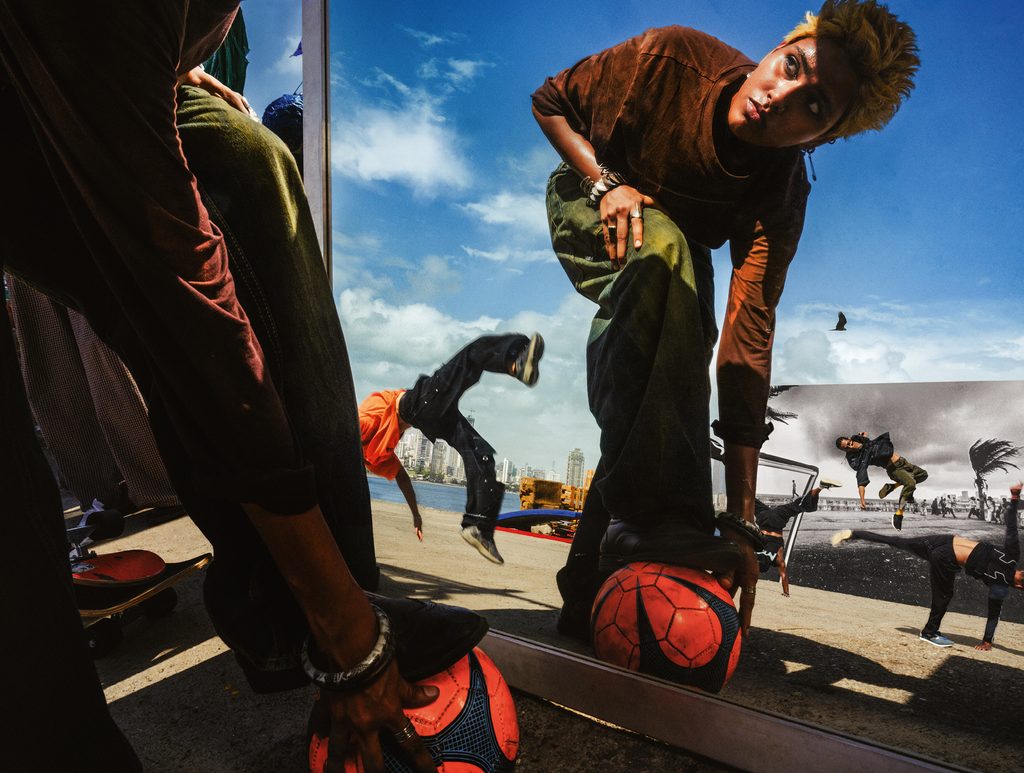
Avani Rai
V: Can you talk about your process of making the images? What did you want to achieve with them?
Avani Rai: This project has been very special because I’ve never done something like this before. In the images I was making, I had my father’s image at the back. That means there’s a frame of his. He was standing in front of it. In order to take that, he is there, and that must be 40 years ago, 50 years ago, 30 years ago, whatever. I was seeing the reality I live in, which is now, and my characters, my colors, my people. I was framing my world with his. The process was very different. I’ve never done something where I’m framing a frame along with my world. Then the idea was to choose the image, an unpublished work by [my father], which in a way, was interacting with the reality that I was photographing in. There was a conversation I was trying to have in my life. First, most important, was, “Hey, I see you, and you’re in my frame, and you will always be.” That’s a more emotional, philosophical conversation. My world will always have you at center stage, and at the same time, the world is moving fast, and things are changing, and India is so vast, and every inch of space matters. I think [making the images] happened through me, and now when I look at it together, and I’m like, wow, it feels wholesome. But I don’t know how it happened.
V: I saw that the parts of India in Old Delhi you were shooting in were parts beloved by your father. Are those places you shoot as well, or did you go there to have the conversation you mentioned?
AR: I went to have that conversation, but I also did my walks with him there. He did speak to me about these places a lot, and these are not places he loved because he went there once. There’s a series he’s done called “Confessions of a Wall,” where he’s photographed that same long wall [for decades]. He’s gone back into that space and seen the world change. So for me, that part of Delhi is called Old Delhi, but it’s not old anymore. But it is also. For the first time [with this series] I thought about conversations, and also in the visual language of what I know of photography that I’m gifted by my father. In that visual language, [I] create and center space for more than just me.
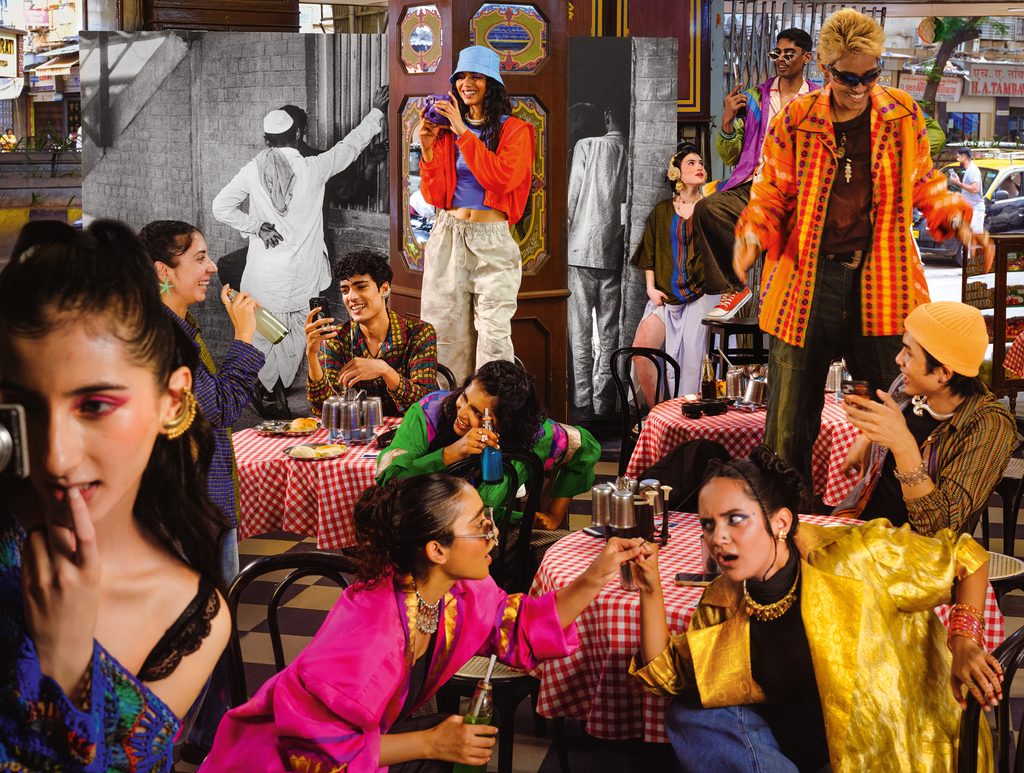
V: What parts of yourself are in the work, and what parts of your father do you see?
AR: I was given a camera. He never told me to be a photographer, but he said if you want to be a photographer, then you have to be alive to every moment and inch of space that you hold the camera in front of. That’s respect for a space and dignity. Do not push your own ideas into a space that is talking to you. It’s just like blabbering. It’s what you get when you are silent, and how much you can take back versus what you get when you walk into a room and you just start speaking. The other thing that is so important to my world is outside of this is, he’s gifted me the camera, which can photograph anywhere. I don’t want to be a journalist, a documentary photographer, a fashion photographer. I want to be a photographer who can pick up the camera anywhere and engage.
I think anything that feels alive, any emotion, any rhythm that I notice [is part of him]. I feel like these would excite him. When we would go shoot together, we would be charged and excited. Anytime I would have a smile, or an ah-ha moment. He used to say, “the world is moving and it’s just happening around you and you’re waiting, and at some point something special happens.” The decisive moment, what even [photographer Henri] Cartier-Bresson talks about. You almost keep a heartbeat because you’re like, like the world is offering, and you take a photo. And in that moment of taking the photo, you have actually lent your heartbeat to the photo for it to be alive, to beat on its own. His initial idea was picking up his unpublished works in a studio where the idea was “Past Forward,” and he had a frame from the 1970s, 80s, 90s, and then he had life today. And in a studio, because he was also not moving around so much in the last year. But when I took it on, I was like, if he was moving around, he would be in the streets. He would never be in a studio. That’s why I went back to the streets. I was so busy with talking to my father, trying to have this conversation. Trying to hold the camera up. When he passed, I was like, I don’t want to shoot. He was my main audience, right? And if he’s not watching, who cares? It’s almost like even though it’s a gift from Pirelli to India and a gift from Pirelli to me now, it is actually, for me, a gift from my father to me, saying, “Don’t you put that camera down.”
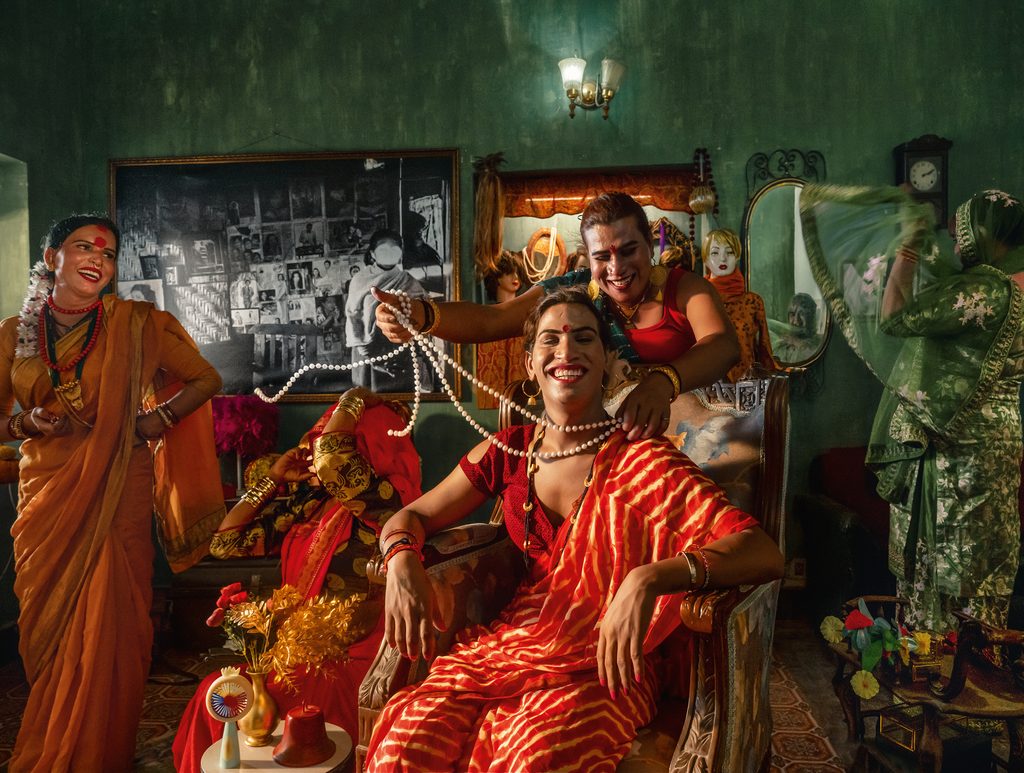
V: I know something that’s important to your work is a dedication to understanding memory, political silence, and inherited histories. How did you want to explore that in this work as well?
AR: Memory is in my frame because of his images. Inheritance also does exist, inheriting a way of seeing and making it your own. And I think everything is political—anything you wear, how you look, who you look at, how you stand, your body language. When you’re in this documentary space, I feel like people bring in the politics of being. [For the calendar,] I didn’t do so much fashion, but I do think I interpret fashion very differently, whether I take models into the streets, or I’m photographing a 50-year-old middle-class woman who sells her art pieces. I think fashion is what people carry, and most of India is not Louis Vuitton. It’s not a fancy bag. It’s the gold earrings that are very hectic that the fisher ladies wear. It’s the saris and the colors of the saris that they go shopping [for] and stitch themselves. So I think fashion is fashion for everybody. Fashion doesn’t [only] exist for the rich, right?
Discover More