A Look Inside Costume Art at the Metropolitan Museum of Art
The exhibition explores the intersection of the dressed body and art history
Is fashion art? This is the age-old question tossed around by artists, designers and critics alike. And it arouses varying opinions. With the opening of Costume Art at the Metropolitan Museum of Art, the relationship between the two emerges to the forefront. The exhibition will showcase nearly 400 works and juxtapose works of art from across the museum alongside various garments. According to the museum, the exhibition will include “pairings that not only illuminate the indivisible connection between clothing and the body but also the complex interplay between artistic representations of the body and fashion as an embodied artform.”
The exhibition is organized by Andrew Bolton, Curator in Charge, with the support of Stephanie Kramer, Senior Research Associate, and Research Associates Ayaka Iida and Emily Mushaben. Per usual, this year’s exhibition will open on the heels of the Met Gala fundraiser on the first Monday of May. This year’s dress code was “Fashion is Art,” encouraging attendees to get swept up in art history for inspiration.
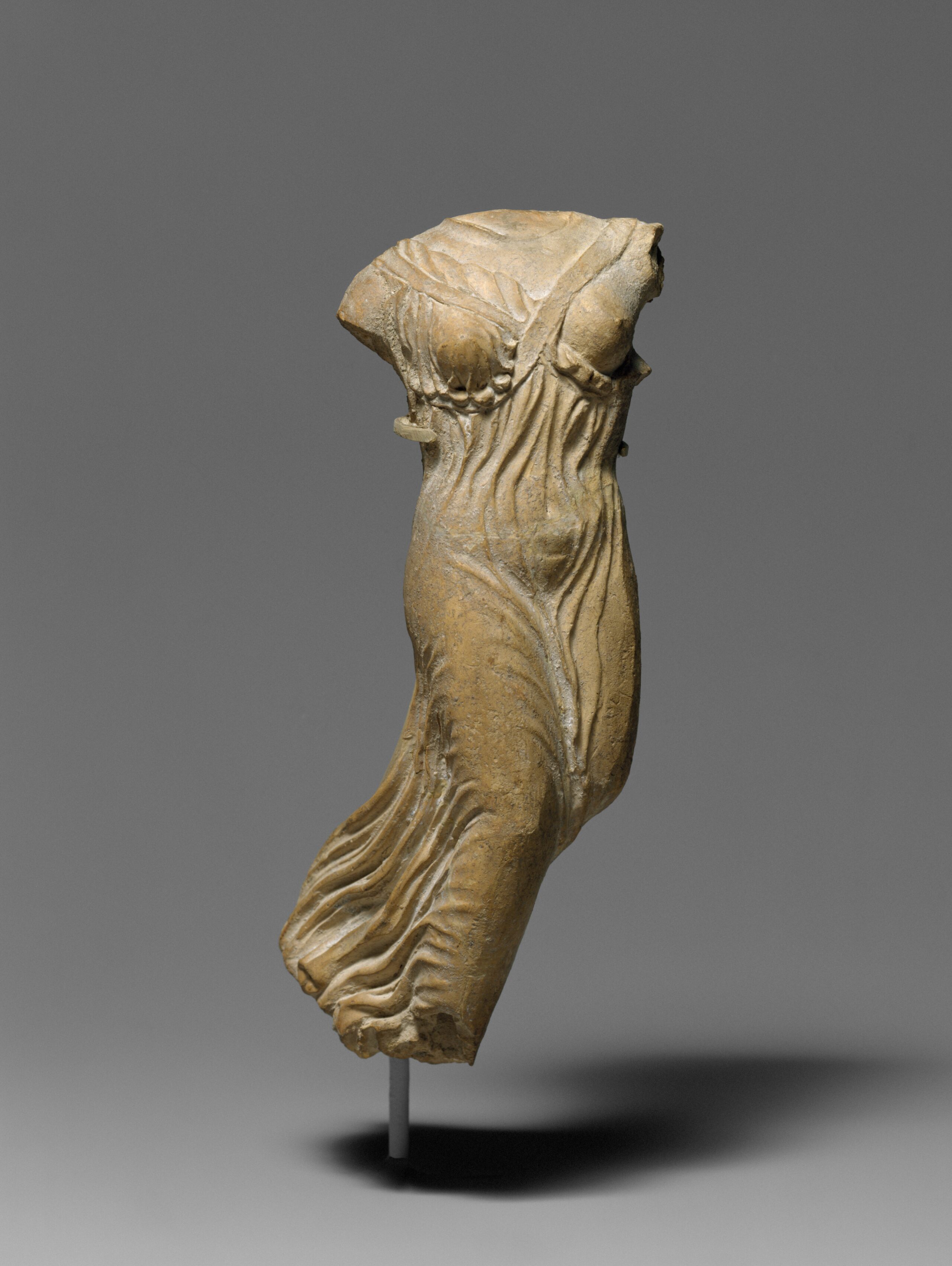
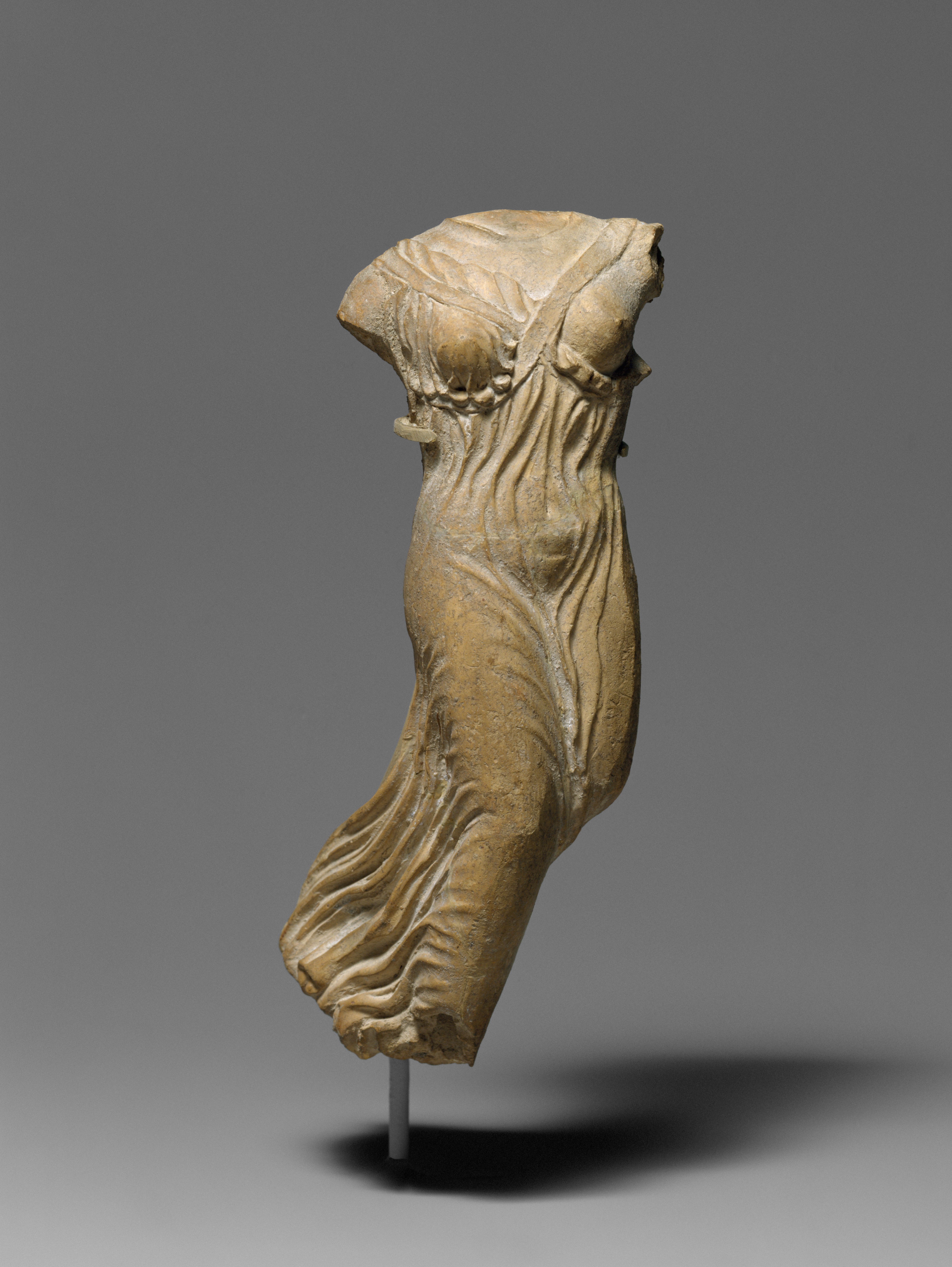
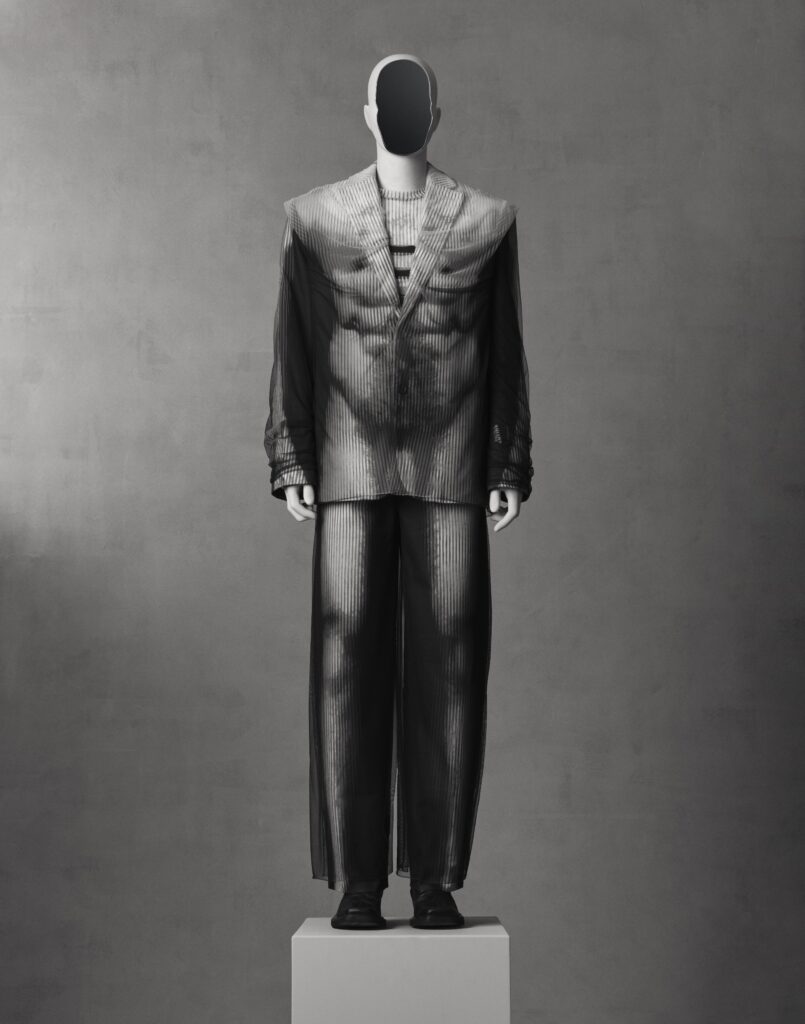
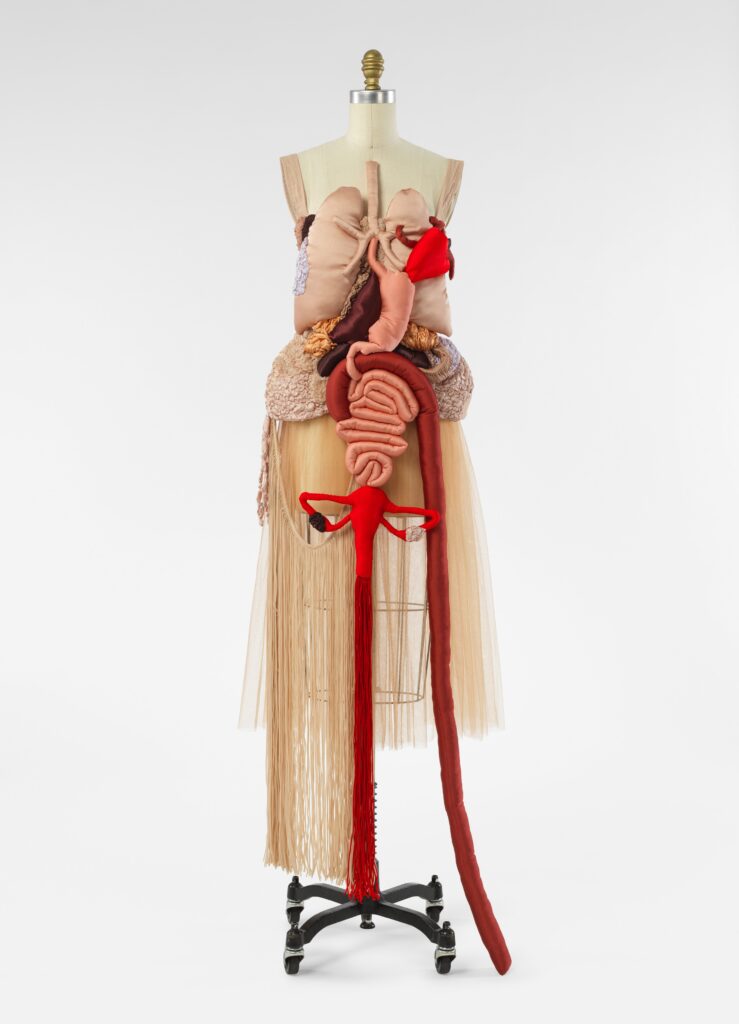
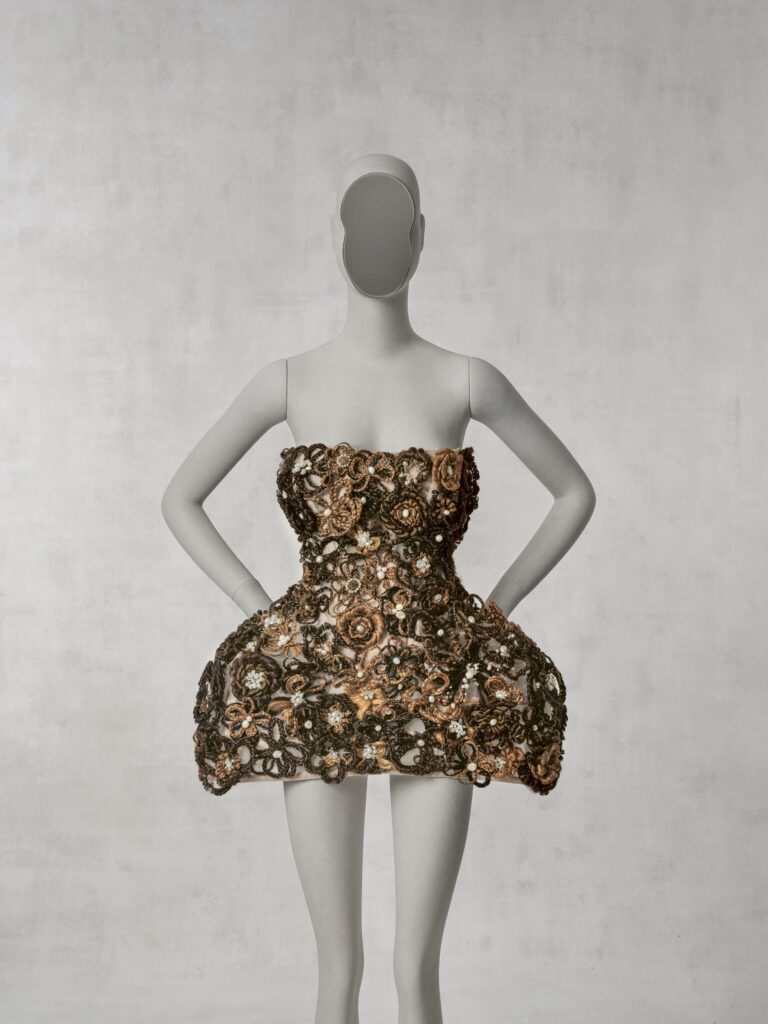
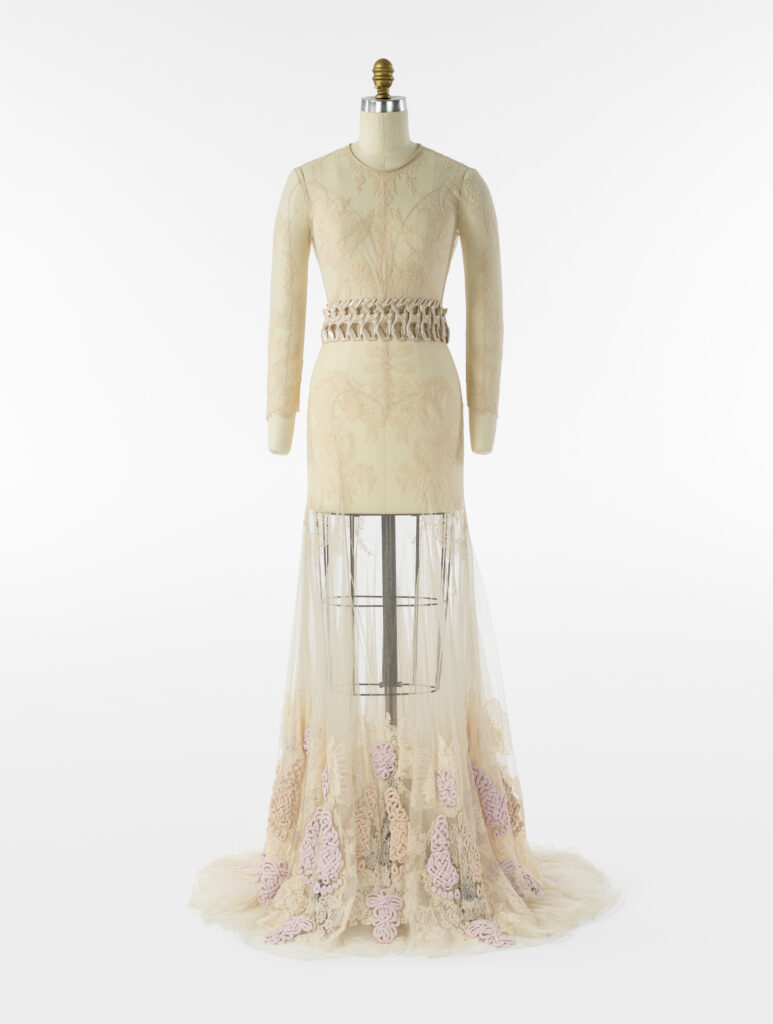
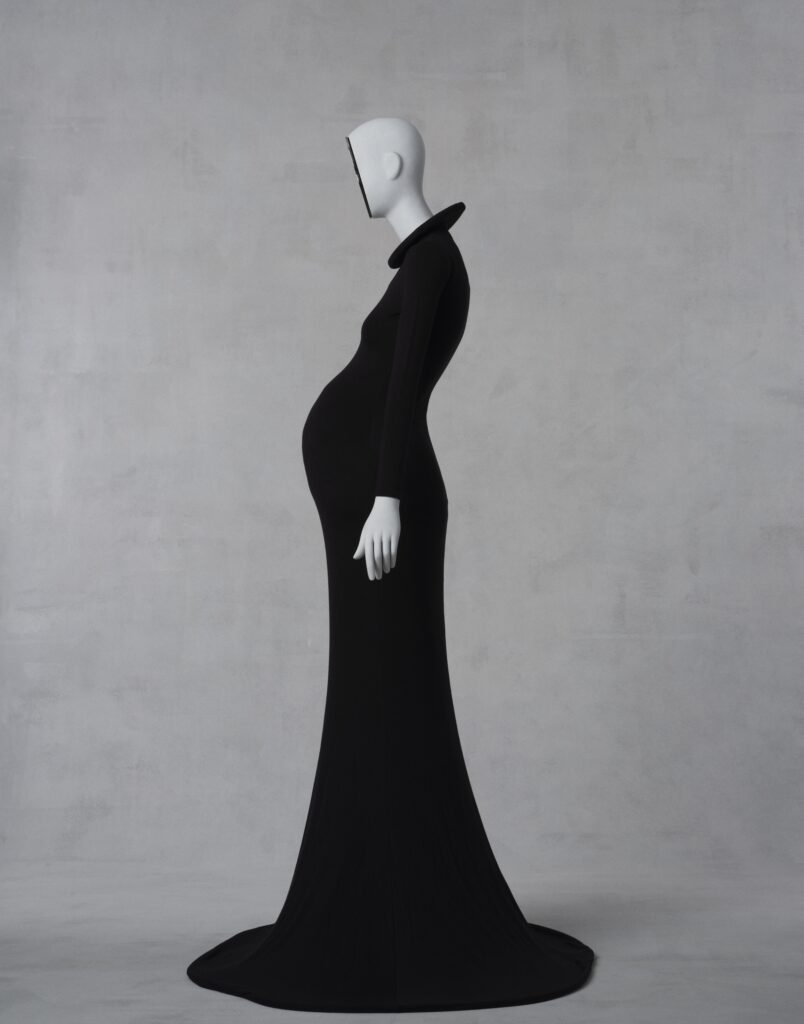
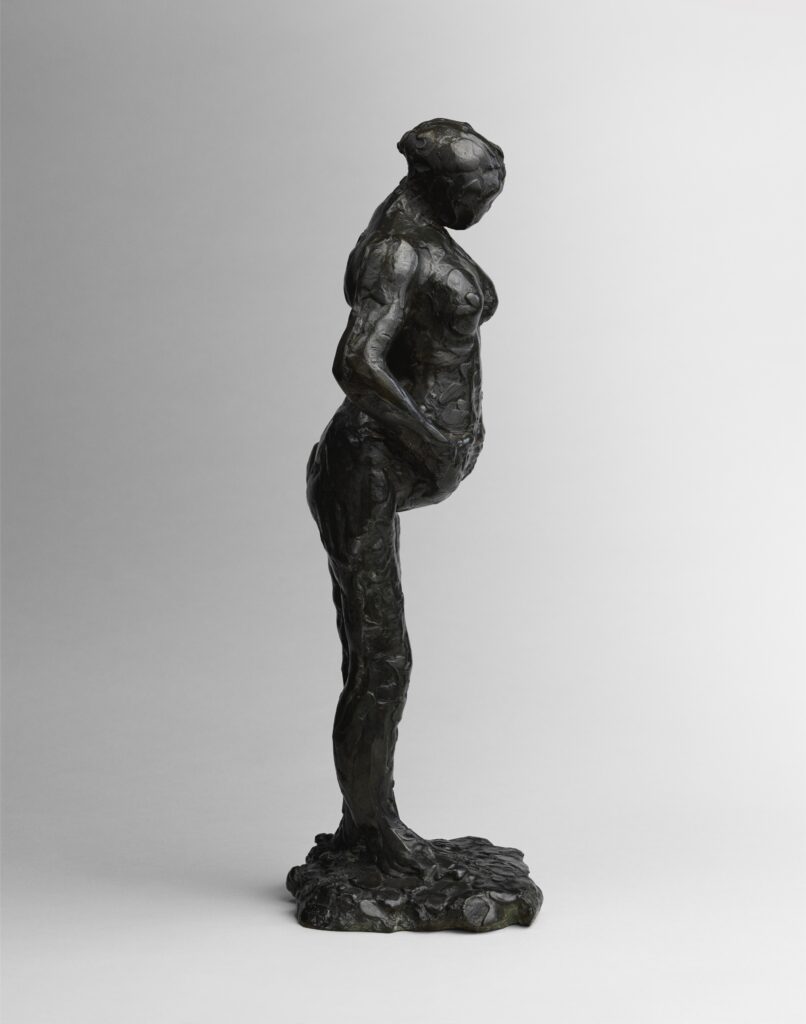
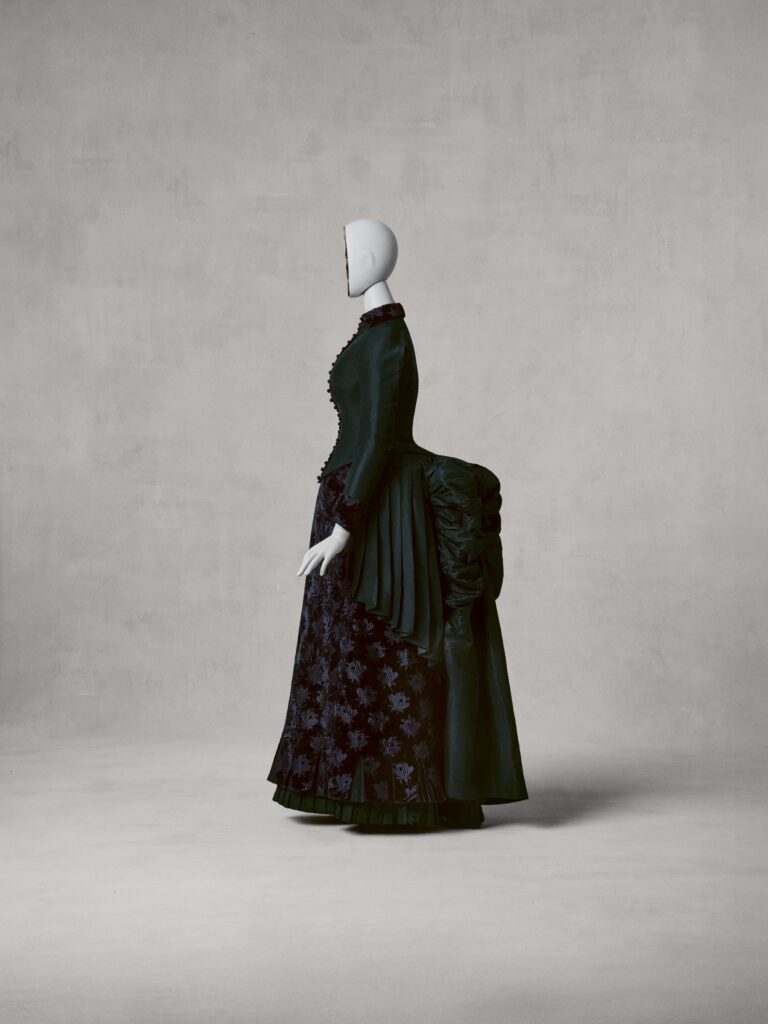
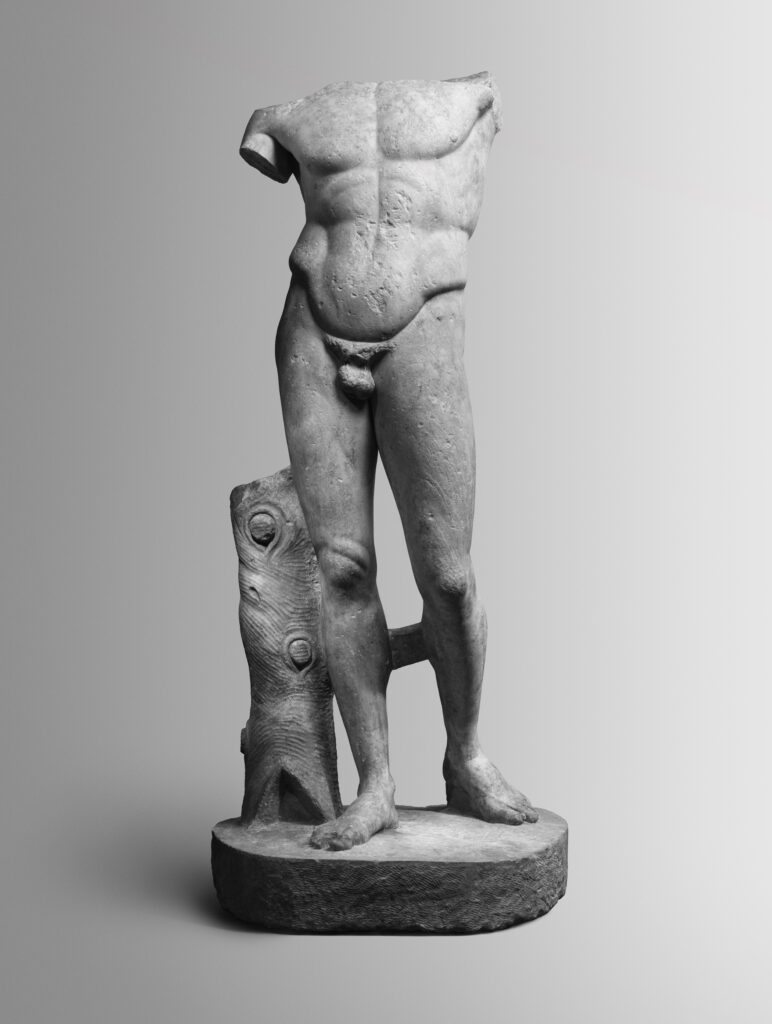
The exhibition explores and names an array of bodies, including the classical, abstract, reclaimed, pregnant, anatomical, and mortal bodies. Within the hundreds of works, selected pieces range from the ancient and ethereal to the playful and campy. Cartoonish organs are crafted on Renata Buzzo’s “Corset Anatomia,” reversing the internal and external from spring/summer 2025. Its artistic counterpart is “Plate 33” a Dutch depiction of internal organs from the early 18th century. The shading found in a Glenn Martens suit designed for Y/Project accentuates natural contours of the body, including muscles and silhouette, and echoes the sculpted musculature found in its high art counterpart—the Roman “Marble statue of the Diadoumenos.” A “Study for ‘A Sunday on La Grande Jatte,” Georges Seurat’s infamous inspiration for Stephen Sondheim’s musical Sunday in the Park with George, is situated with a late-nineteenth century “Walking Dress.” The prominent bustle mirrors the painting’s most recognizable figure.
Costume Art shares a common broad-stroked theme that we witnessed two years ago in Sleeping Beauties. This invitation to view a relationship between fashion design and other art forms feels similar to the Louvre Couture exhibition, the Parisian institution’s first fashion exhibition which paired couture garments and accessories with interior and furniture design.
But this exhibition ushers in notable fresh starts. Mannequins were designed for the exhibition that reflect new proportions and different sizes than previous shows. Mirrored faces allow for greater interpretation or a literal reflective moment with particular styles. Also, Costume Art marks the inaugural exhibition in the museum’s new, almost 12,000-square-foot gallery space. Bolton shares that “for The Costume Institute’s inaugural exhibition in the Condé M. Nast Galleries, I wanted to focus on the centrality of the dressed body within the Museum, connecting artistic representations of the body with fashion as an embodied art form. Rather than prioritizing fashion’s visuality, which often comes at the expense of the corporeal, Costume Art privileges its materiality and the indivisible connection between our bodies and the clothes we wear.”
The shifting of space echoes the dissolving of boundaries between art and fashion highlighted in the exhibition and reflects a swelling cultural interest in fashion to be studied—rather than merely consumed or worn. It also reveals an expanding embrace of fashion within one of the world’s leading art institutions.
The Costume Institute at the Metropolitan Museum of Art opens Costume Art to member previews on May 5—9 and opens to the public May 10, 2026—January 10, 2027. Admission is free with museum admission.
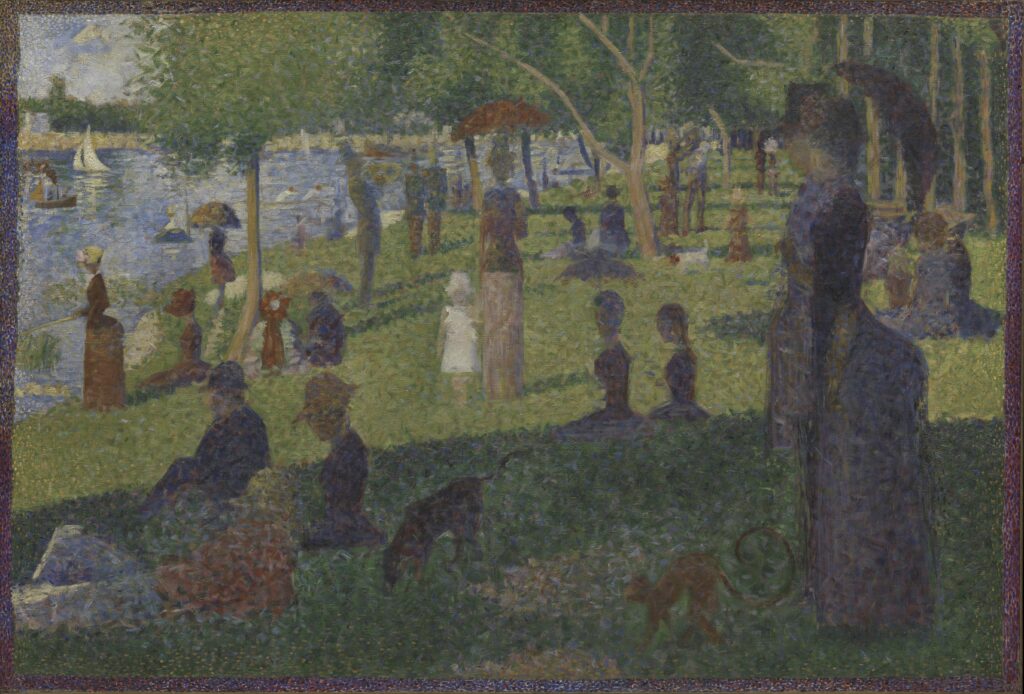
Georges Seurat
Discover More