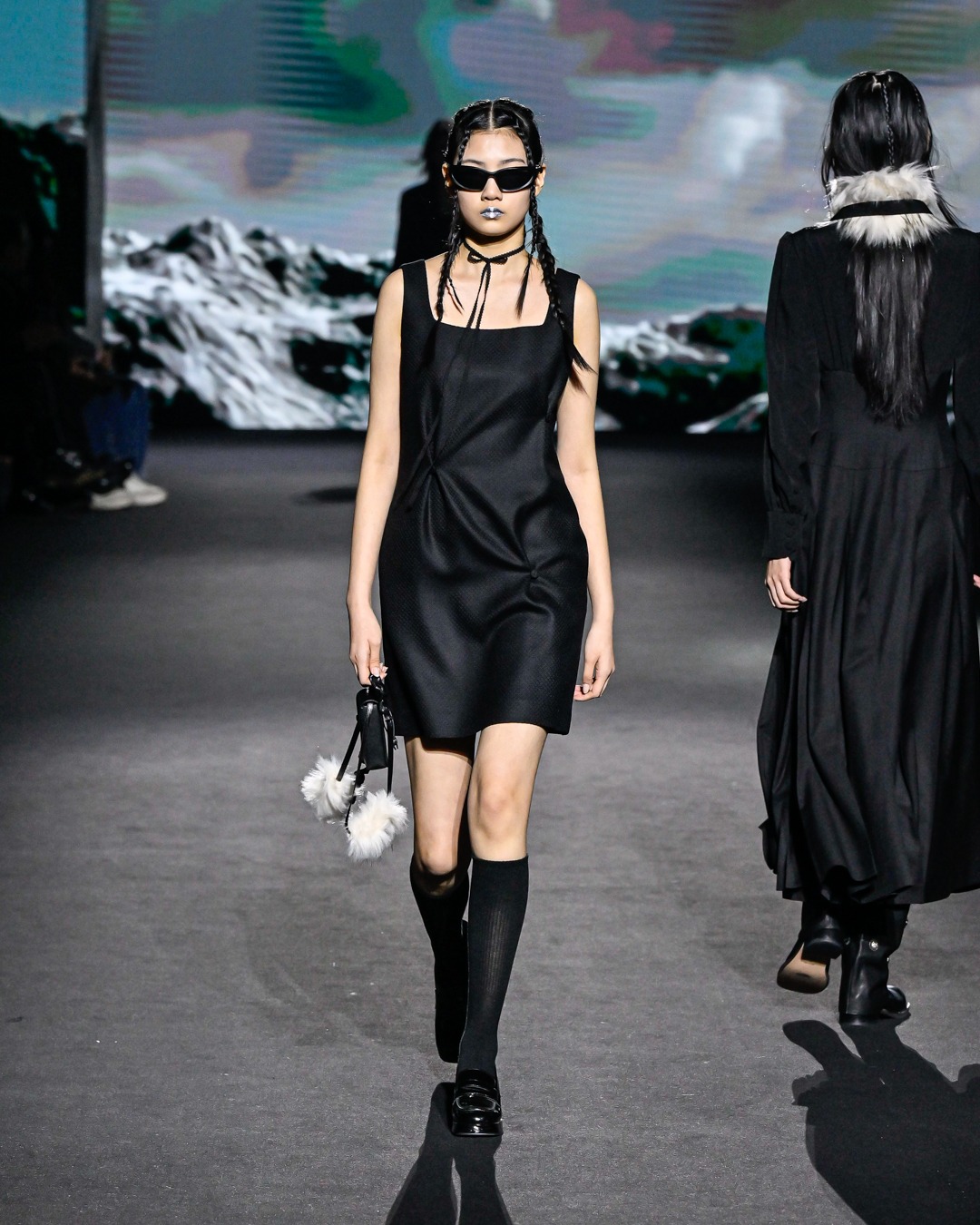
The familiar tension at the opening of Paris Men’s Fashion Week—the vibration between quiet mastery and the grandeur staged on the runway—echoed in Seoul this time, with a different rhythm beneath the curved surfaces of the Dongdaemun Design Plaza. The Fall-Winter 2026 Seoul Fashion Week, which concluded last week, was not merely a calendar stop for showcasing new collections, but rather a place where the next chapter in K-fashion’s global narrative was being written. For five days, runways, presentations, and industry discussions brought together Korean designers, international buyers, and editors from around the world under one roof, making Seoul’s increasingly potent fashion magnetism visible.
This season’s most notable move was logistical, but its impact was aesthetic. Bringing all the shows, presentations, trade fair, and forum programs under the DDP roof transformed the fashion week from a fragmented city route into a seamless experience. The gaps between programs became moments to delve deeper into the collections, rather than rushing to catch the next show. This new structure, which encourages buyers and the press to stay longer in the venue, aims to make Seoul Fashion Week not just a platform to be watched, but one to be experienced.
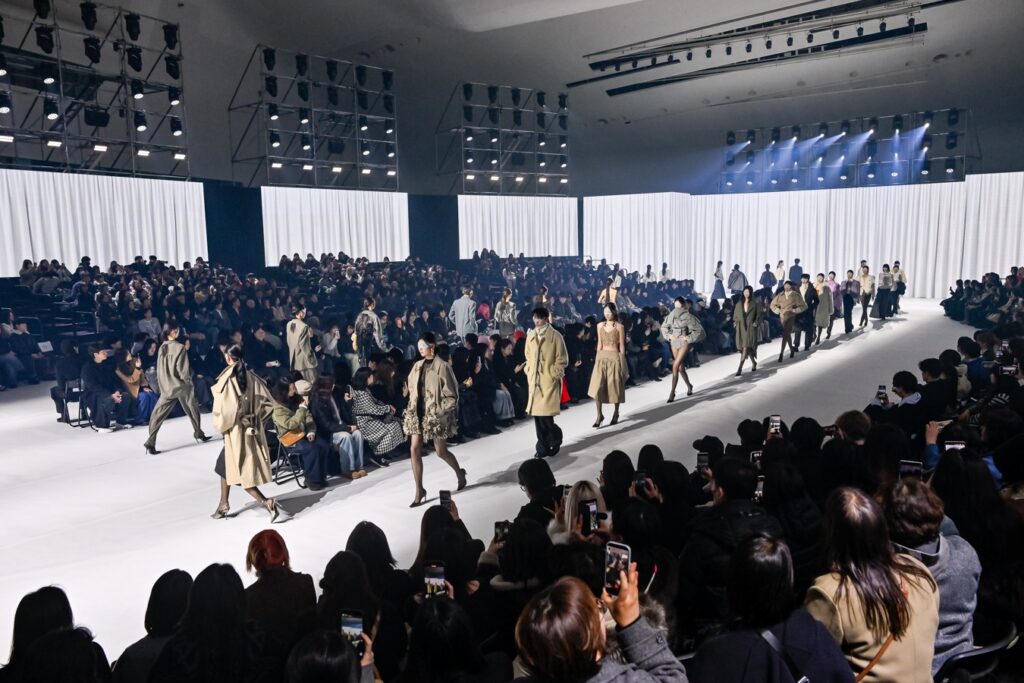
The week opened with a forum titled “The New Chapter of K-Fashion.” Discussions ranging from sustainability to digital transformation, global expansion strategies to the impact of artificial intelligence on creative processes, reminded us that Seoul is on stage not only with its production power but also with its intellectual ambition. LOEWE Korea President Jorn Zempel’s global trend readings, practical perspectives on international growth from W Concept and Global-e executives, and technology-focused visions of the future from Andersson Bell and Clover Virtual Fashion representatives clearly demonstrated that K-fashion is no longer a local success story but a global strategy.
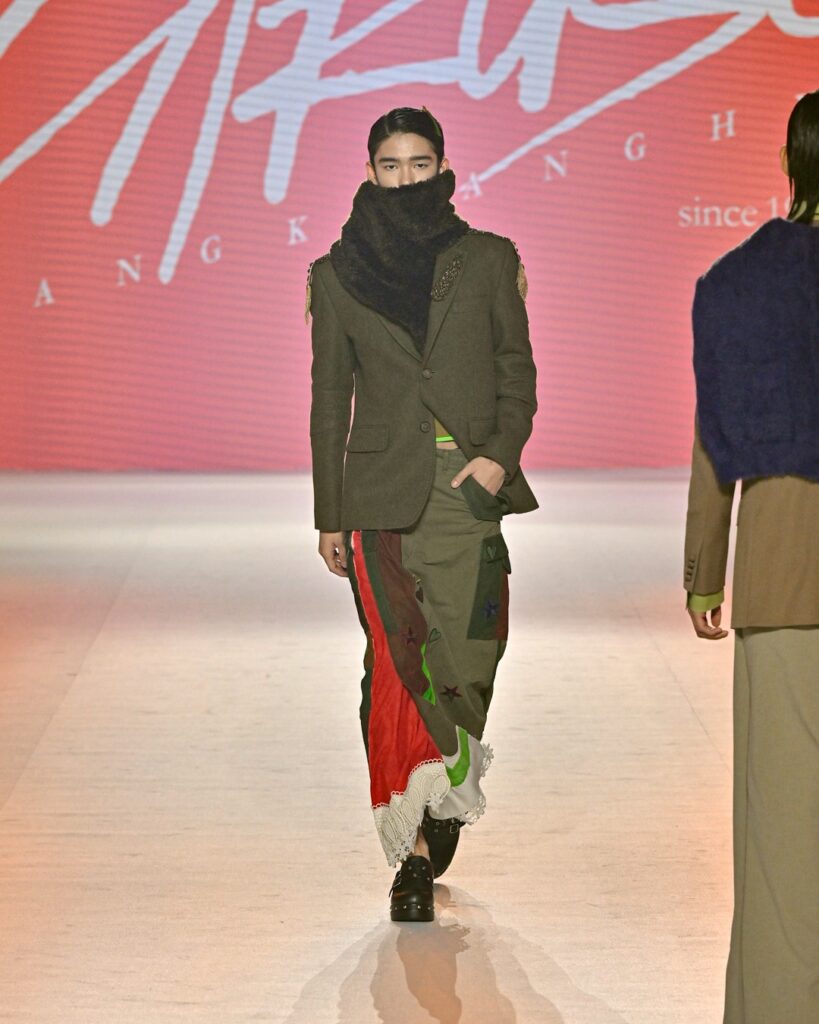
On the runway, the tone was more emotional. The collections were shaped around the rewriting of heritage, personal narratives, sustainable material research, and new relationships forged with technology. Returning to Seoul after six years in Milan, MÜNN opened with a show based on the idea of layered protection and inner warmth, bringing together military references and soft drapes to convey the theme of alienation in an almost poetic form. While MMAM’s experimental cuts sought emotional intensity, KWAK HYUNJOO COLLECTION transformed hanbok layering and the jogakbo patchwork tradition into dynamic, contemporary silhouettes. ULKIN’s “Desire Path” approach, meanwhile, brought sustainability together with individual will.
Material and technology research was particularly prominent this season. HANNAH SHIN’s biomimetic couture experiments combined light-based design with sustainable materials, while LIE fused technical outdoor functionality with urban luxury. HOLYNUMBER7 explored the idea of renewal on recycled surfaces, and KIMOUI expanded the textile experience into the realm of beauty.
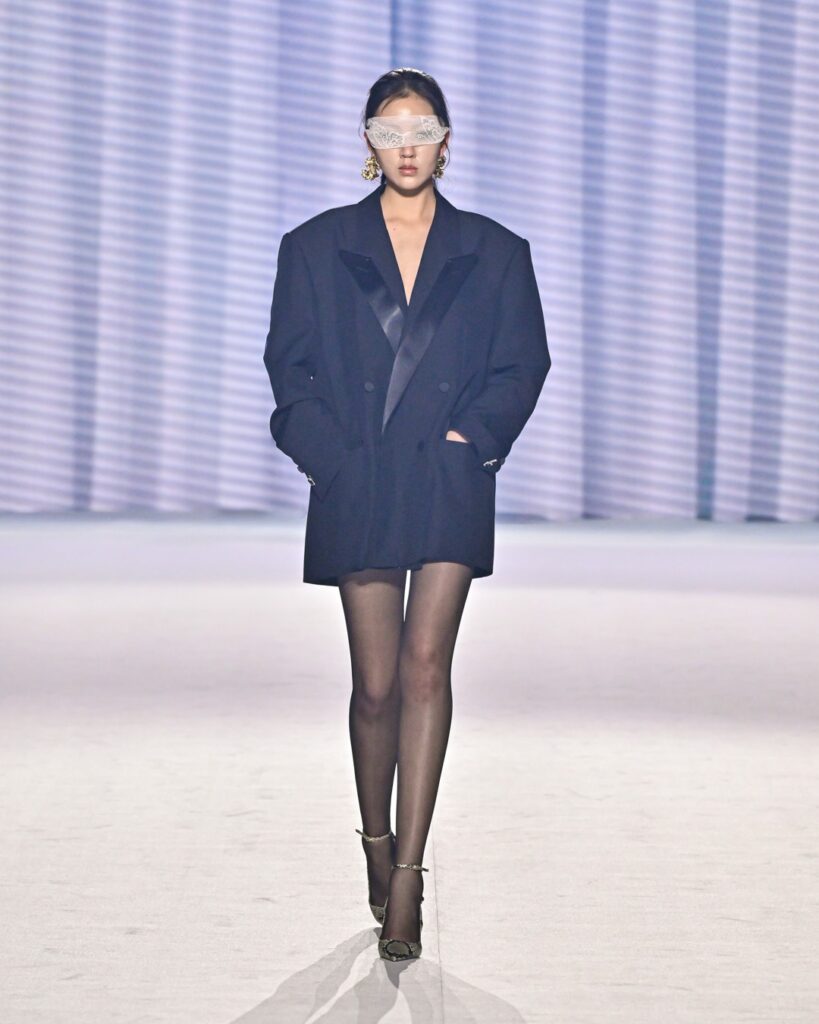
Some designers, however, looked to the texture of the past while searching for the future. JULYCOLUMN reinterpreted architectural references and archival codes; AMOMENTO calmed early modern East Asian tailoring with contemporary minimalism. BLR’s aged materials and denim craftsmanship almost turned the wabi-sabi aesthetic into a form of meditation.
Identity, transformation, and cultural storytelling remained central to the runway. YUGADANG’s performative universe, drawing from Korean mythology, transformed folklore into a wearable narrative accompanied by gugak melodies. SEOKWOON YOON’s “Future Classic” tailoring addressed the idea of timelessness with contemporary sharpness, while GREEDILOUS, ADLIELOS, and DAILYMIRROR presented the visual counterparts of resilience and ambition through strong structural silhouettes.
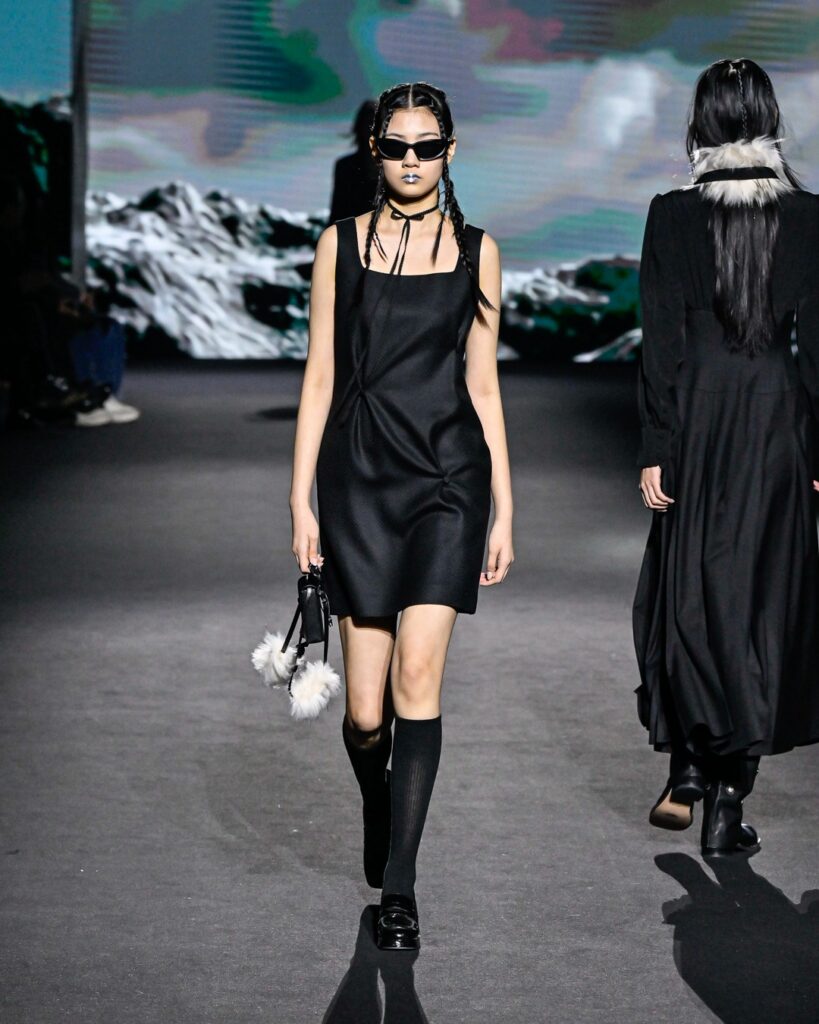
Towards the end, the narrative turned inward. JOHN&3:21 explored self-identity through craftsmanship, while CARUSO reimagined military tailoring with modern sensitivity. This finale encapsulated the overall feeling of the week: a search for inner meaning rather than outward display.
The commercial aspect of Seoul Fashion Week was equally noteworthy. Bringing together approximately one hundred brands and one hundred buyers from twenty countries, the trade fair strengthened the economic impact of K-fashion by sustaining the increasing order volume throughout the seasons. The list of buyers, ranging from Harvey Nichols to Urban Outfitters, Club21 Singapore to regional concept stores, shows that Seoul is no longer a market to be discovered but one to be followed.
Looking at the bigger picture, what emerges is not just a well-organized fashion week. Rather, it is a city redefining its identity. Seoul successfully transforms the tension between heritage and innovation, craftsmanship and technology, locality and globality into a productive space.
Discover More