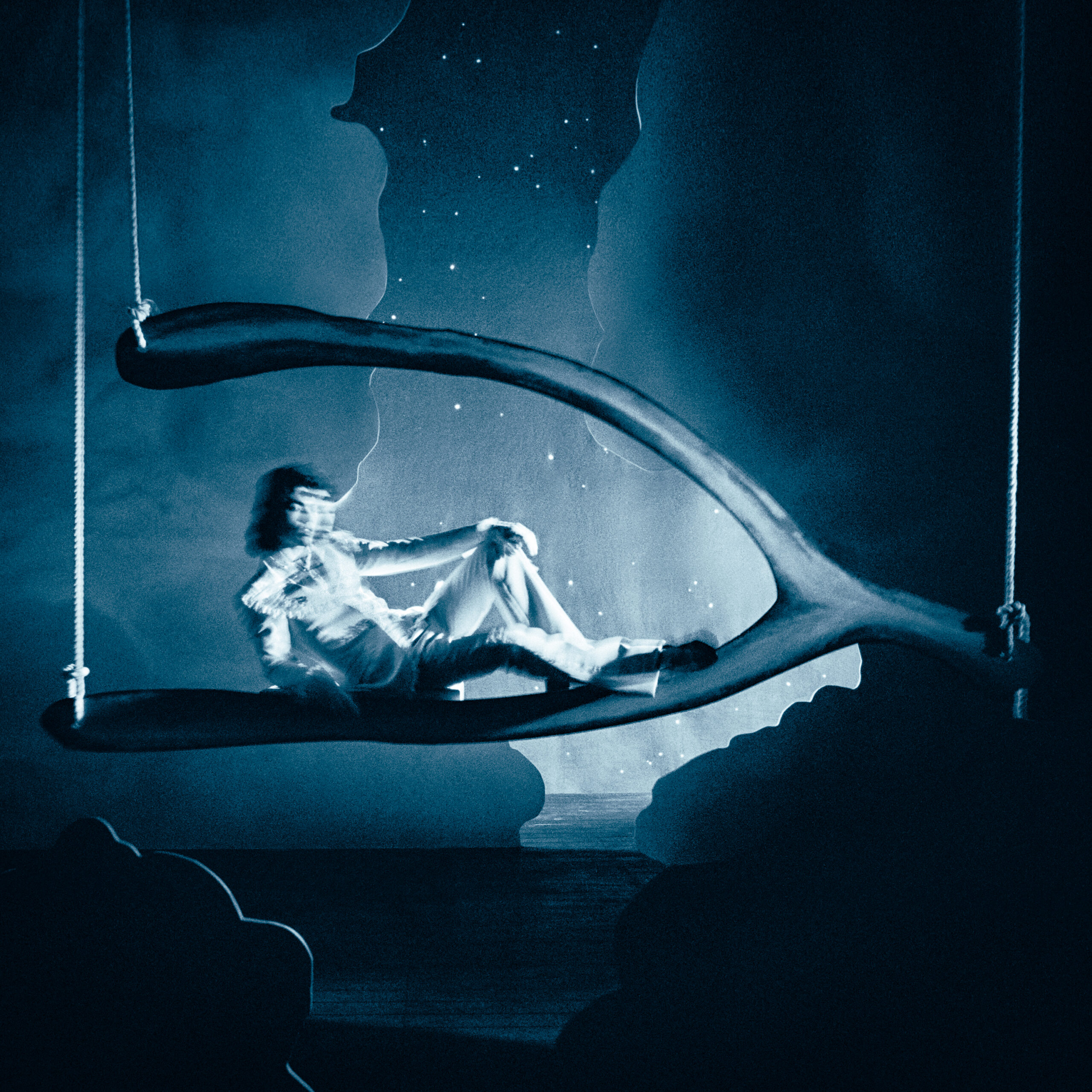
Conan Gray Discusses His New Release, ‘Wishbone Deluxe’
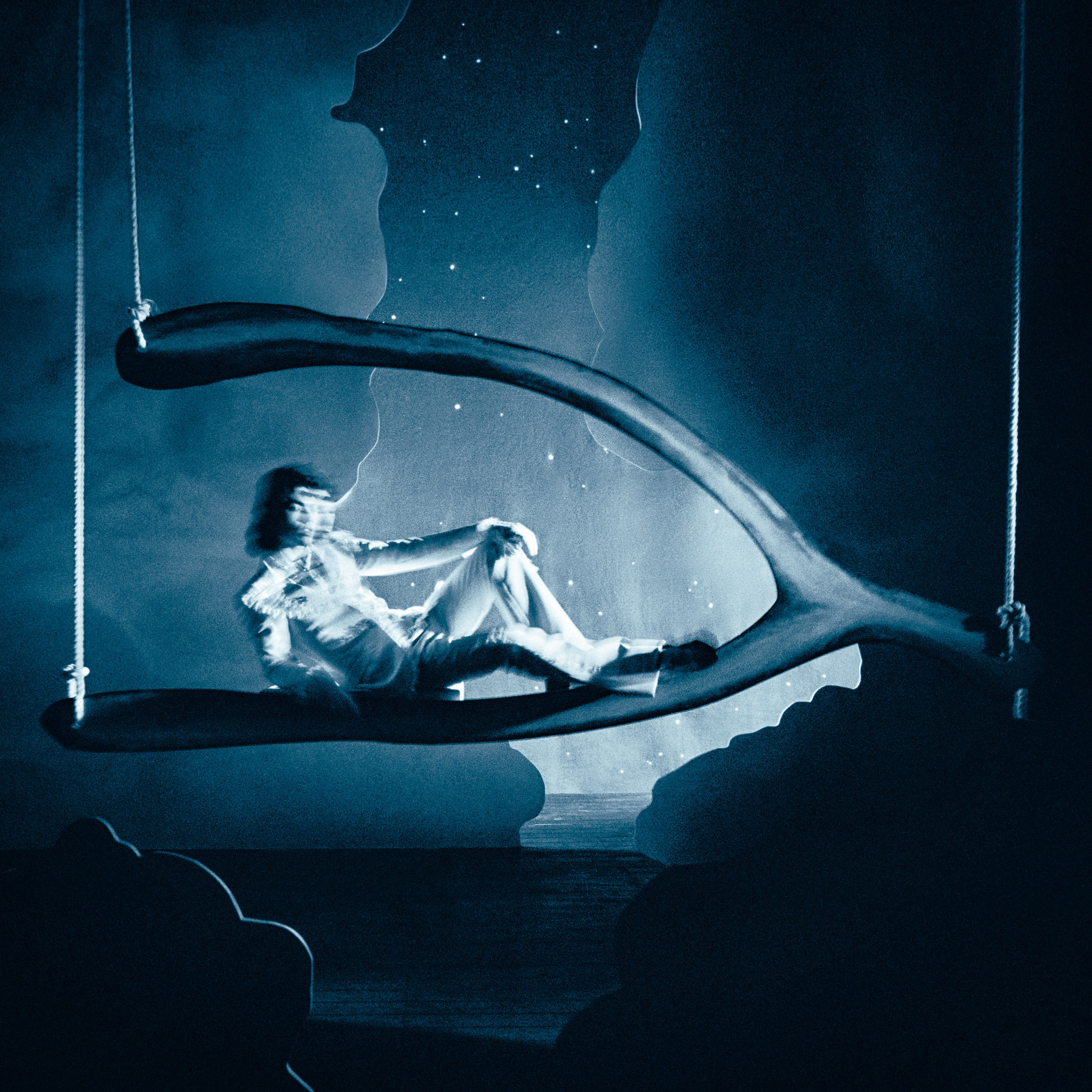
The singer-songwriter doubles down on his most successful and authentic era yet
If the Wishbone ain’t broken, don’t fix it. Multi-platinum-selling singer and songwriter Conan Gray’s last album is anything but broken—in fact, it’s critically acclaimed, having debuted at #1 on the Billboard Album Sales chart and Top 3 on the Billboard 200. Now, the 27-year-old is selling out venues as he tours across the U.S. and Europe. This time, he is doubling down with Wishbone’s deluxe edition, adding five new tracks for fans to move to, maybe cry to, and inevitably swoon to.
Rather than tiring of this creative era, Gray has chosen to expand it sonically and emotionally—pushing further into the tensions that define his work: longing and distance, fantasy and reality, intimacy and performance. In an industry that often demands constant reinvention, Gray resists the urge to move on too quickly.
VMAN’s Mathias Rosenzweig spoke with Gray about the new music, below.

Photography by Dillon Matthew
Mathias Rosenzweig: I had the pleasure of listening to all of the new songs that are coming out, some of which you’ve been performing live already, right?
Conan Gray: Just one. Only “The Best” has been before live.
MR: My first question is, when it comes to Wishbone, you built such a cohesive universe, visually and sonically, with the tour and everything. I wonder how it came to be and if it felt like there was more to say within that universe, as opposed to making it a separate project. Why an extension versus something totally separate?
CG: To me, Wishbone was my opportunity to reintroduce myself. Four albums in, it feels like the older brother of my first album. It’s like a homecoming. I searched and found myself, and I feel more like myself than ever when I’m doing Wishbone.
By the time the album came out, I was already mourning that it would be over within a year. It was breaking my heart. I’m always writing music, and I was writing these songs and realized they were still Wishbone songs. Even though I was done with the album, they still belonged there.
It felt like a no-brainer to make the deluxe. I’ve never made one before because I usually don’t have anything to say after an album is done. But Wishbone is a love story, and it feels like the story of my life. If it’s my life, there’s so much left to say. I wanted to live in that world as long as possible. I’ll know when it’s time to let go of Wishbone, but not yet.
MR: Were any of these songs conceived during the original recording process, even as ideas, or are they completely new?
CG: They’re completely new. It feels like a next chapter rather than a traditional deluxe with leftover songs. These are the next things I had to say.
When you listen, you can tell they’re revelations that came after the album. Thoughts you can only have after writing something like Wishbone. The deluxe feels more grounded, more accepting of the human condition, of making mistakes, getting hurt, hurting others.
MR: Like an epilogue. A continuation with clarity. Even performing “The Best” live, and soon the other songs, what has it been like introducing new material while already on tour?
CG: It’s felt natural. Wishbone feels less like a traditional album cycle and more like entering a world that can keep changing and growing. It’s not just an era that ends and moves on.
It feels like Wishbone started something that reflects who I am as an artist. The prompt was: I can do whatever I want, as long as it’s me. As long as I can look at myself and think, that is me.
So integrating new songs has been easy. The question is always, is this me? If it’s not, it doesn’t belong.
“The Best” feels like the end of a story. There’s no simpler way to end something than “wish you the best.” The rest of the deluxe songs are darker and more muted, but they still sound like me. It’s gratifying to see how naturally they fit.
MR: There’s often pressure from labels, fans, and expectations. It’s easy to want to cater to what seems successful. But when artists are fully themselves, it often works.
I’ve seen musicians say they’ll just make what they want, and then it takes off. With touring and performing autobiographical songs repeatedly, does performing them over time change your relationship to them?
CG: When I’m on stage, I’m a version of myself that I’m not in everyday life. Something takes over me. I can sing in front of thousands of people, which I’d never do normally.
There’s always a moment in every show where I become aware that I’m in front of thousands of people and that the song is about a real person or memory. It’s the most beautiful moment. I feel gratitude and pride that I can share stories that feel insignificant to me but that others connect with.
My memories feel small, but seeing them resonate in that setting makes me realize their significance.
MR: That makes sense. It’s not like repeating songs in a rehearsal space. The audience changes every night, and their reactions shape the experience.
CG: Exactly. It almost doesn’t feel like it’s about me. People are singing to their friends, to themselves, to memories. I get to watch them experience their own lives. That’s what’s special.
Discover More