Considering Infinite Potential with Issey Miyake
The Autumn Winter 2026/27 Collection explores the question of creation
In the center of Paris, Issey Miyake asked a question with their collection. Rather than a revealing of creation, the collection explored an unanswered hypothesis. The question: “To what extent should we insist upon our intent to ‘create’? Or is it perhaps the deliberate will to leave thighs open and unfinished that ‘allows’ inherent beauty to reveal itself?”
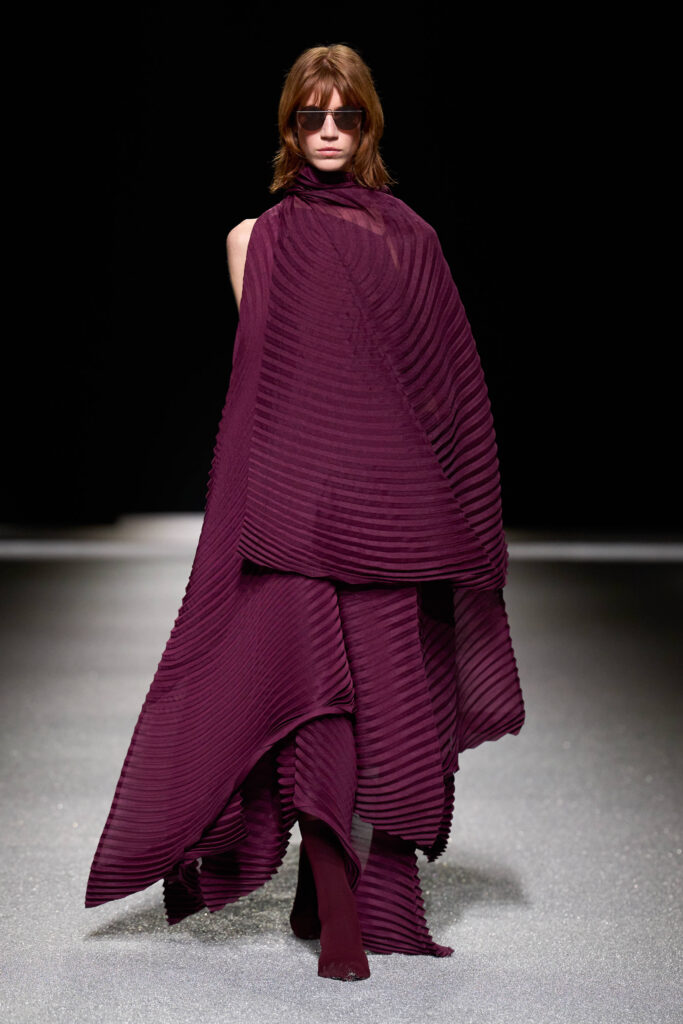
The presentation is exceptionally deliberate while allowing a loss of control. The urge to overcorrect, to overcontrol, is a relevant and relatable feeling. By letting go of this, a metamorphosis enfolds. Sand covers the runway, perfectly unmoved until the first model steps into stride. The following parade serves as a symbol of interacting pieces, naturally creating a new layered production.
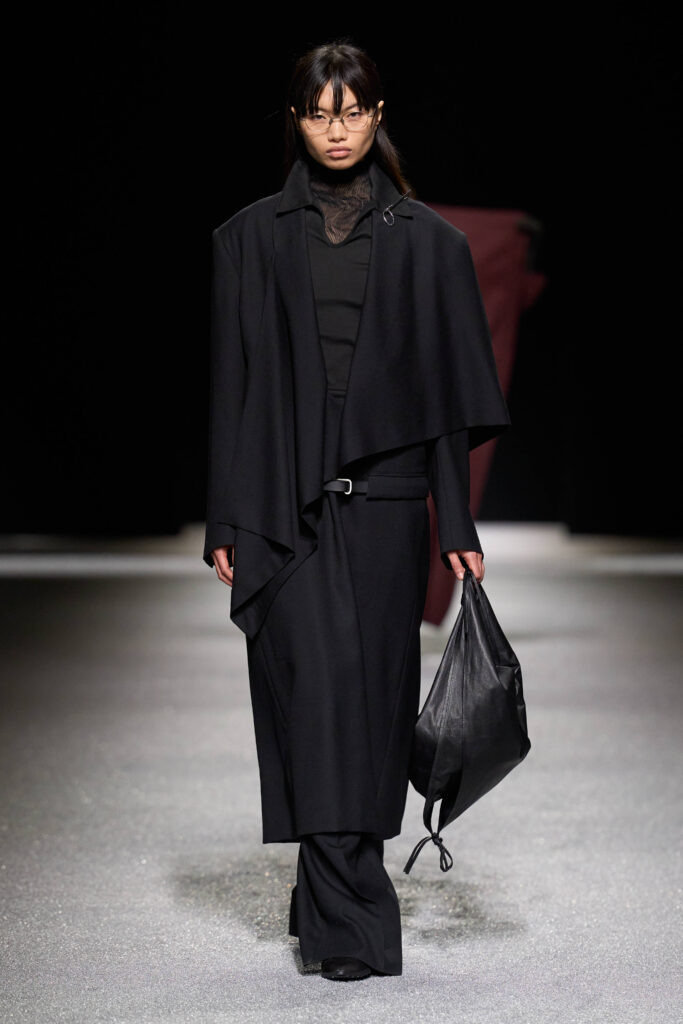
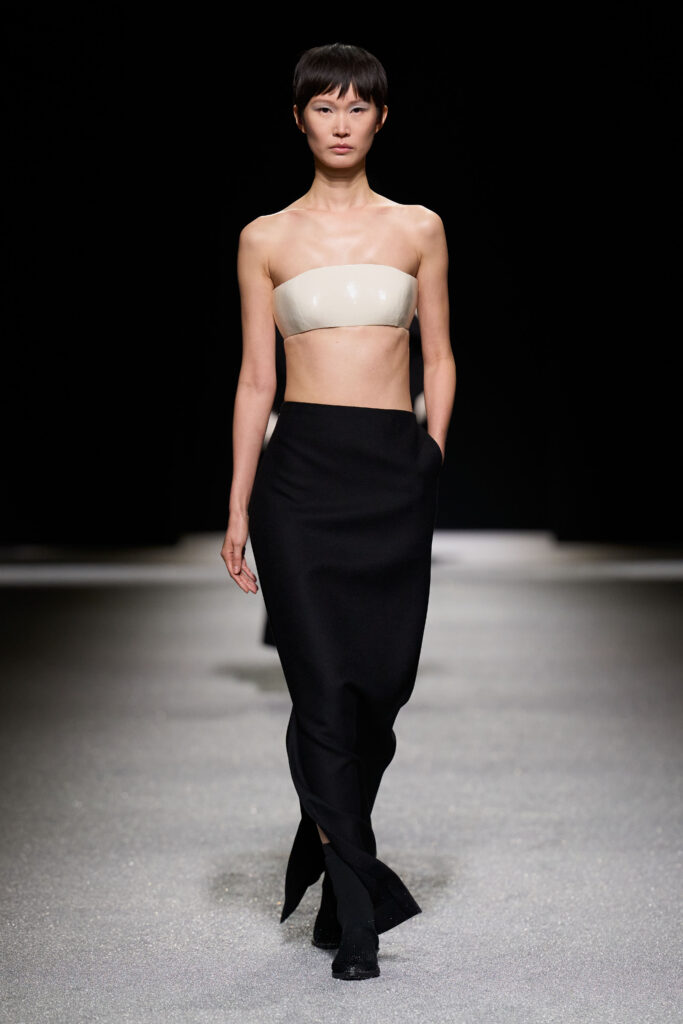
The first sequence, titled “Allow”, introduced three-dimensional conceptual pieces. Still, the silhouettes avoid an overly structural design. Crafted from washi-blend yarn and stretched yarn, the material appears heathered with a stone-like appearance.

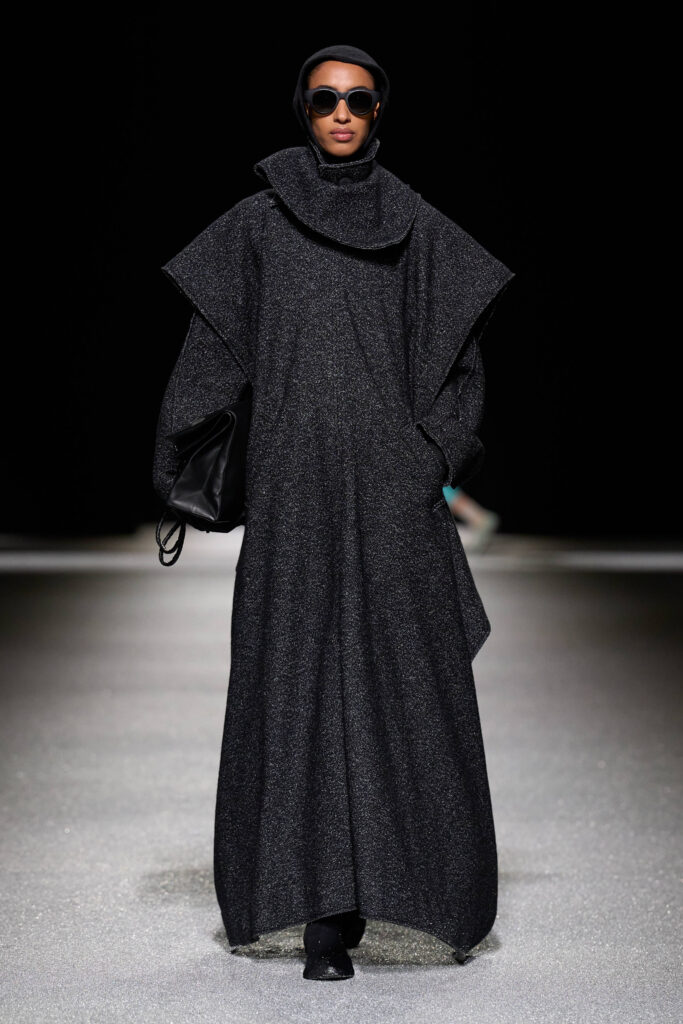
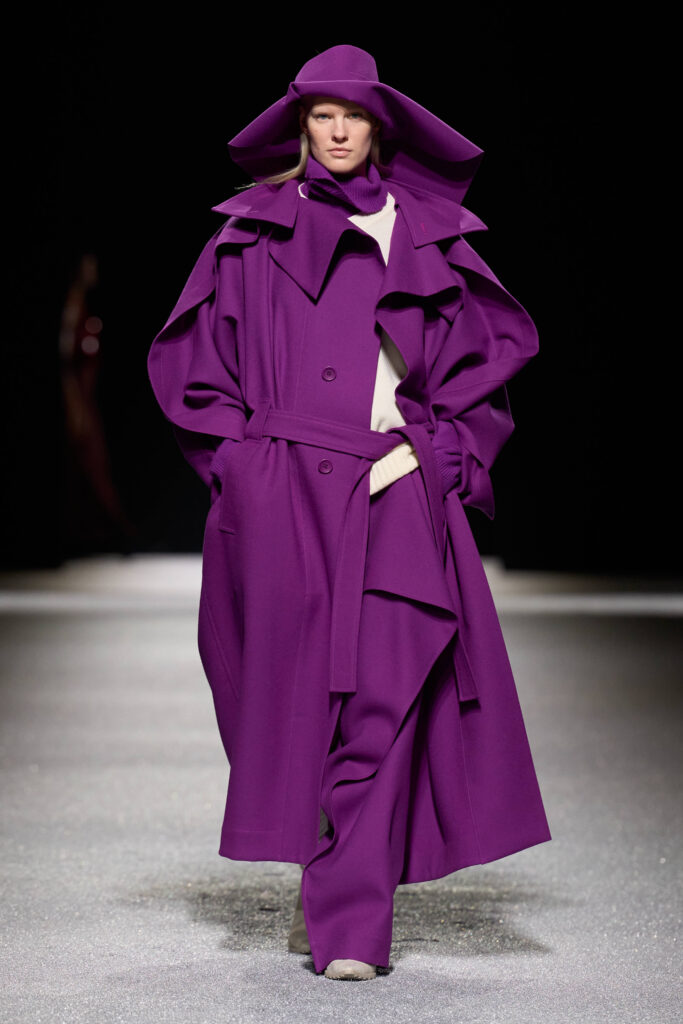
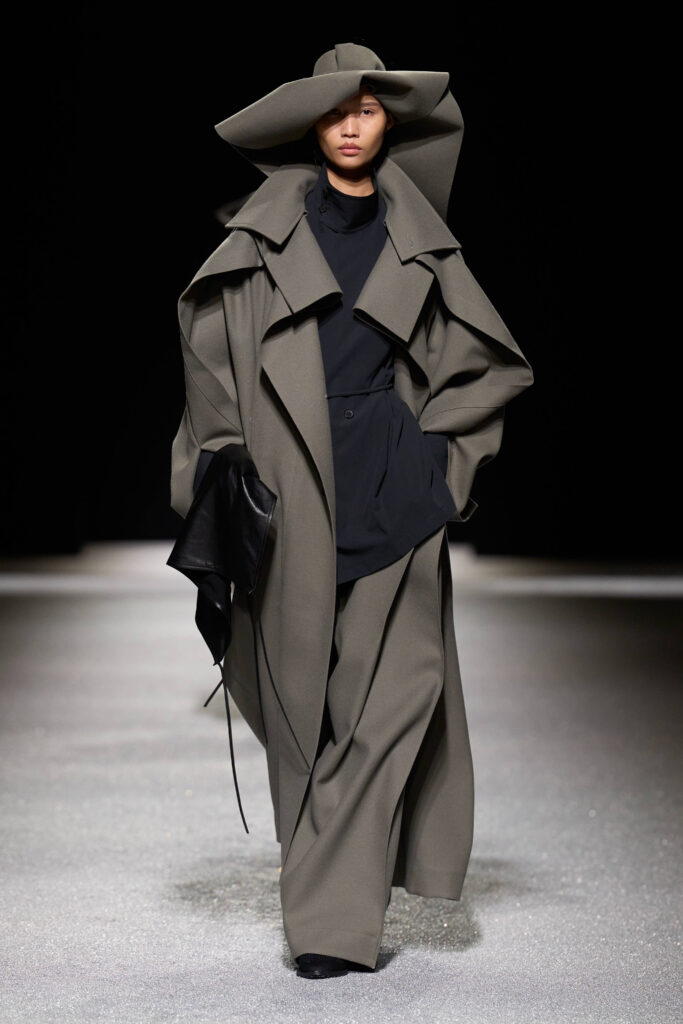
Next comes “Found Stone”, a knit series building upon the texture of rock. The technology of the knit is advanced and seamless, true to the high standard of the Issey Miyake name. This section flows cohesively into “Handsome Knit,” which has an exaggerated shoulder.
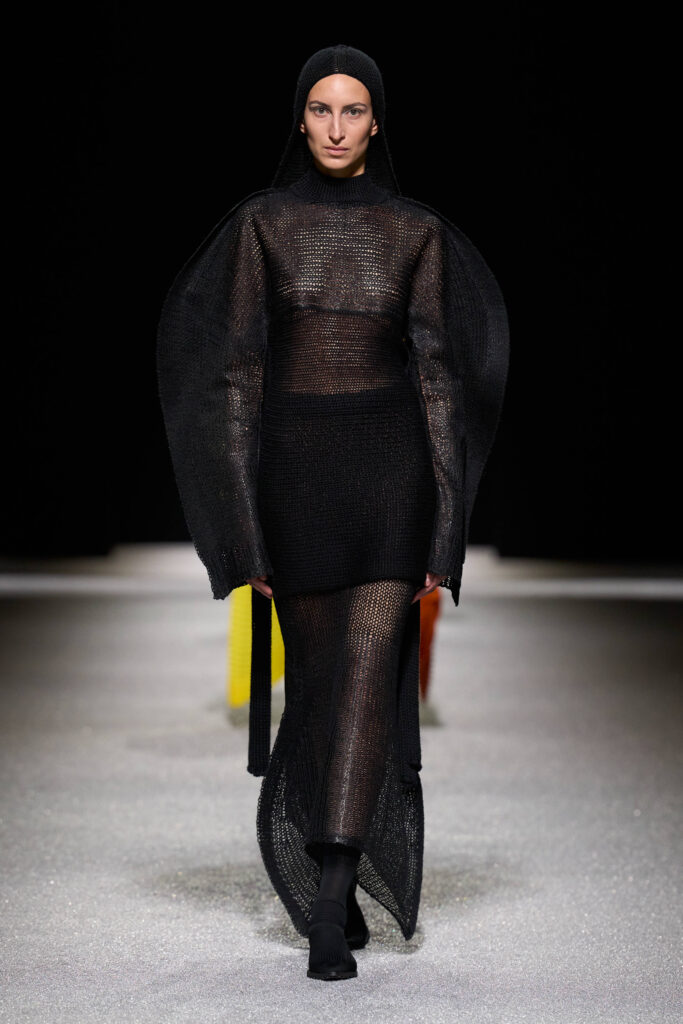
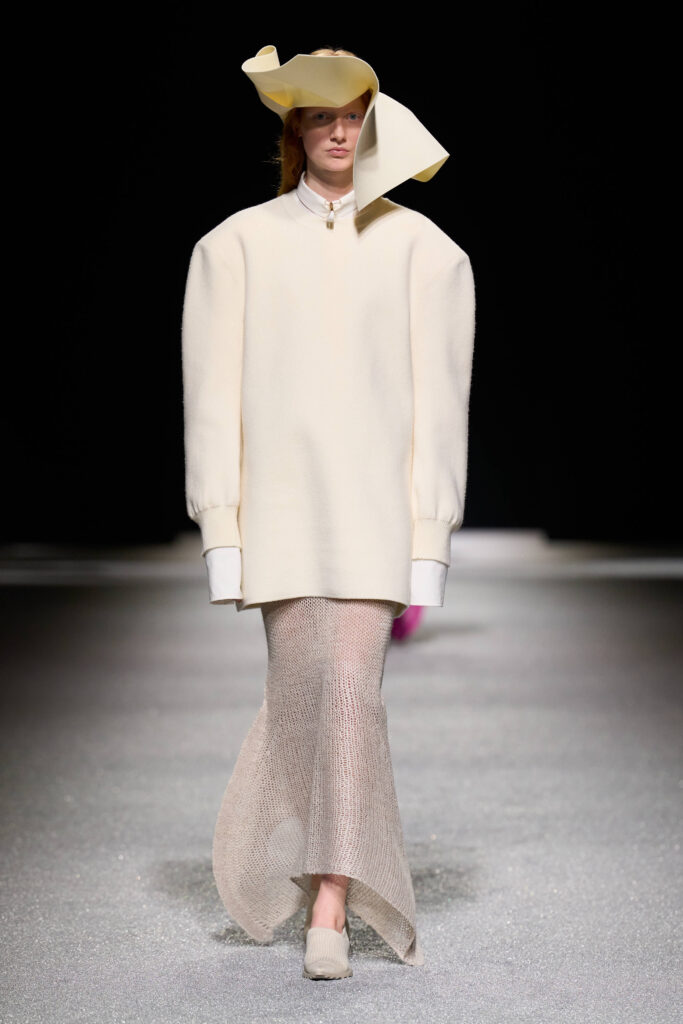
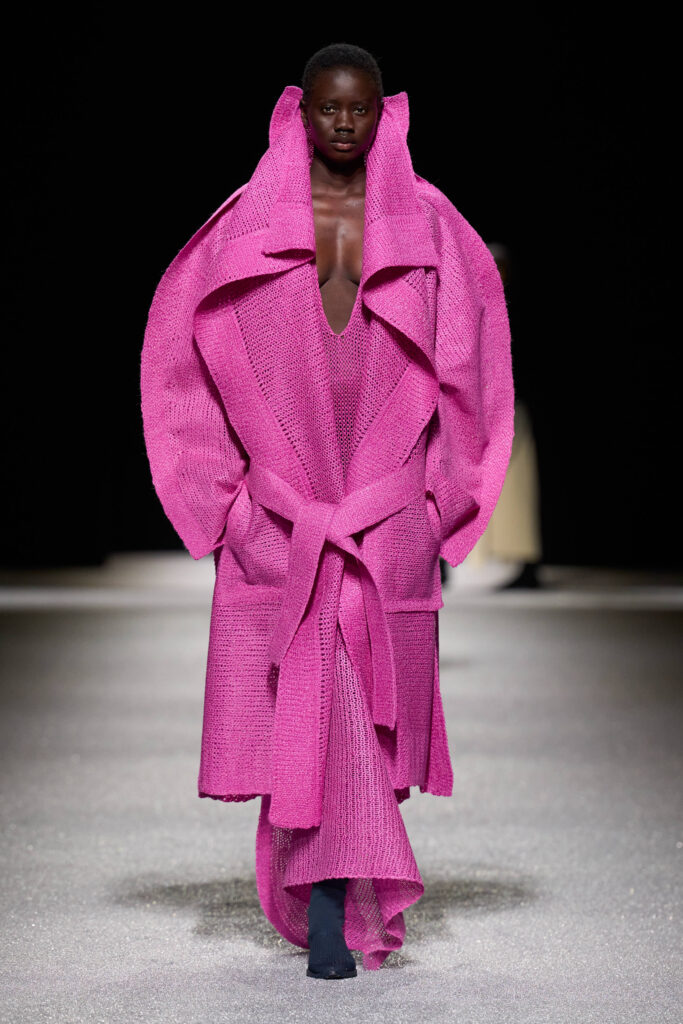
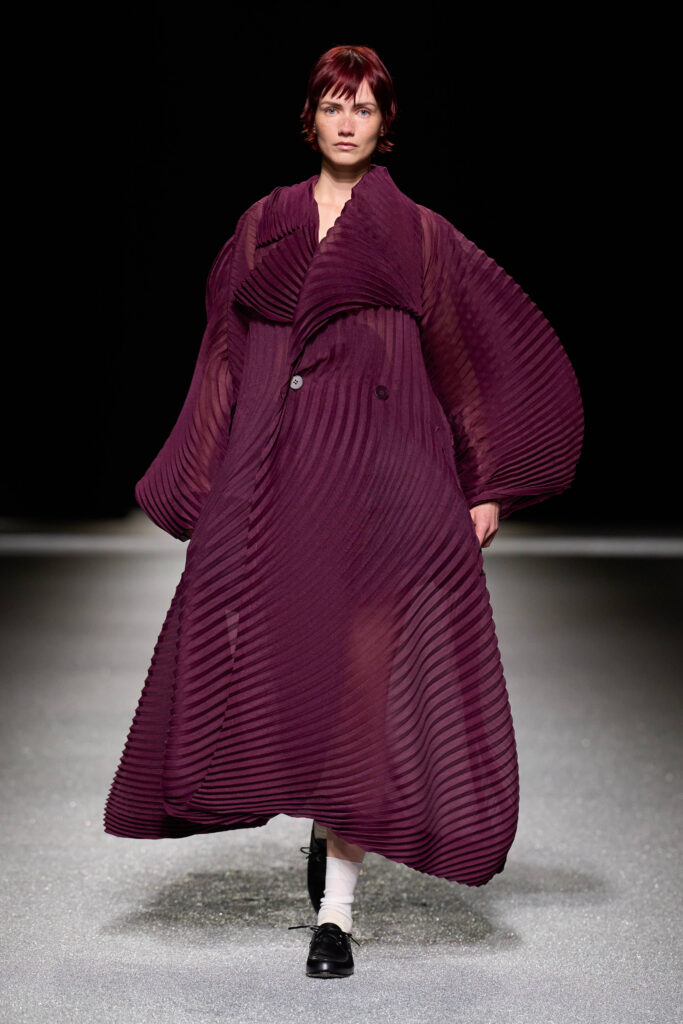
The “Untitled,” “Wring Pleats,” and “Correlation” follow in succession. They each contain elements that are traditional to Issey Miyake. In one, entire pieces are created from a single piece of cloth; in another hand-twisted pleats create movement.
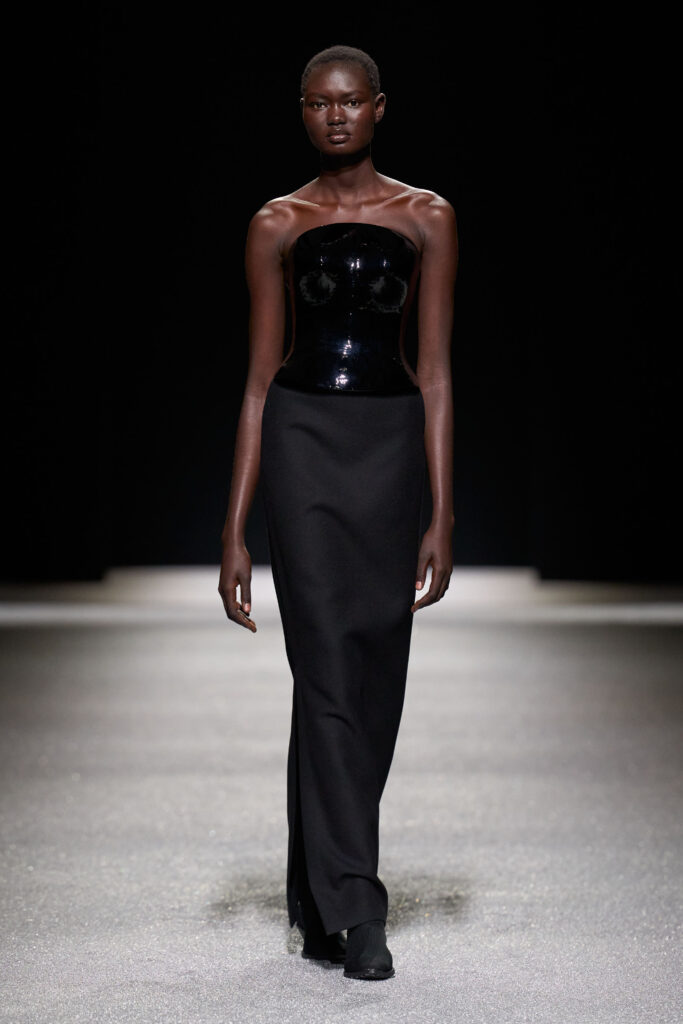
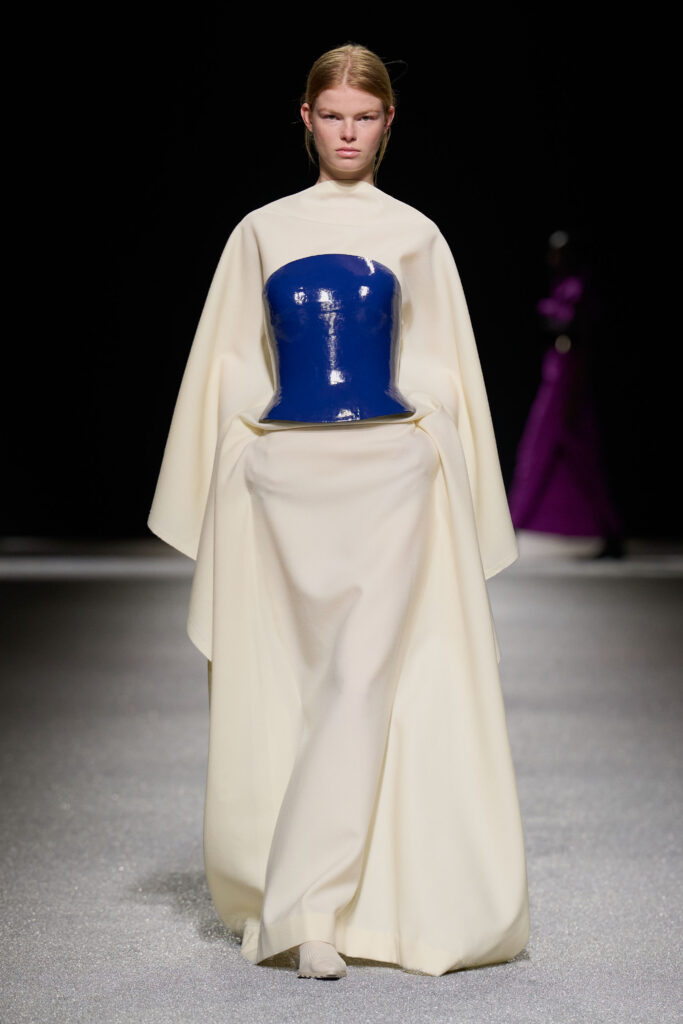

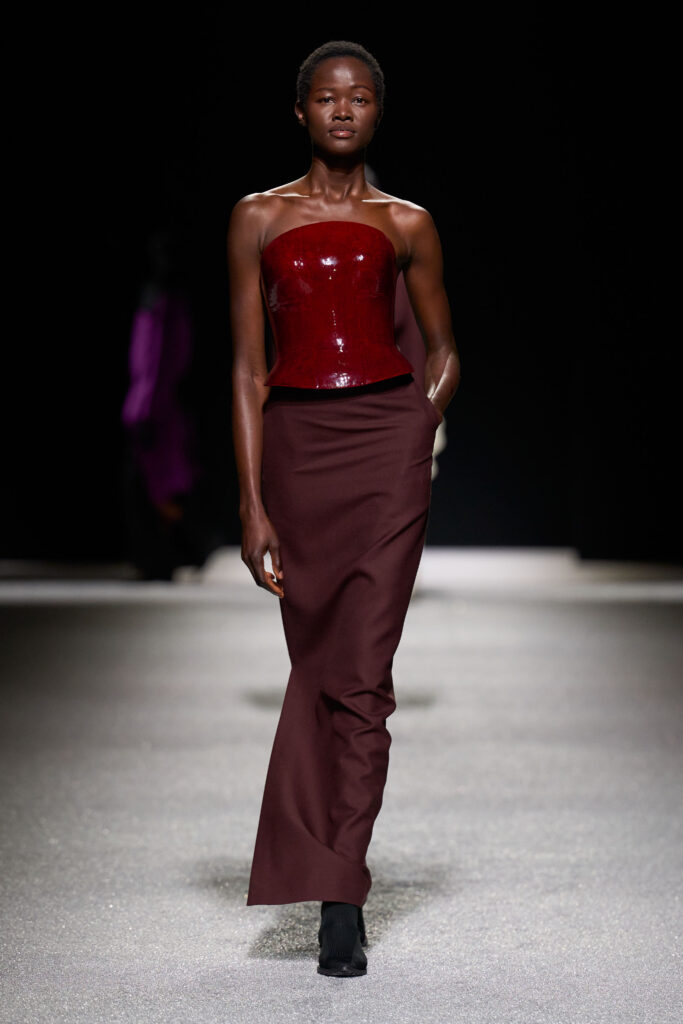
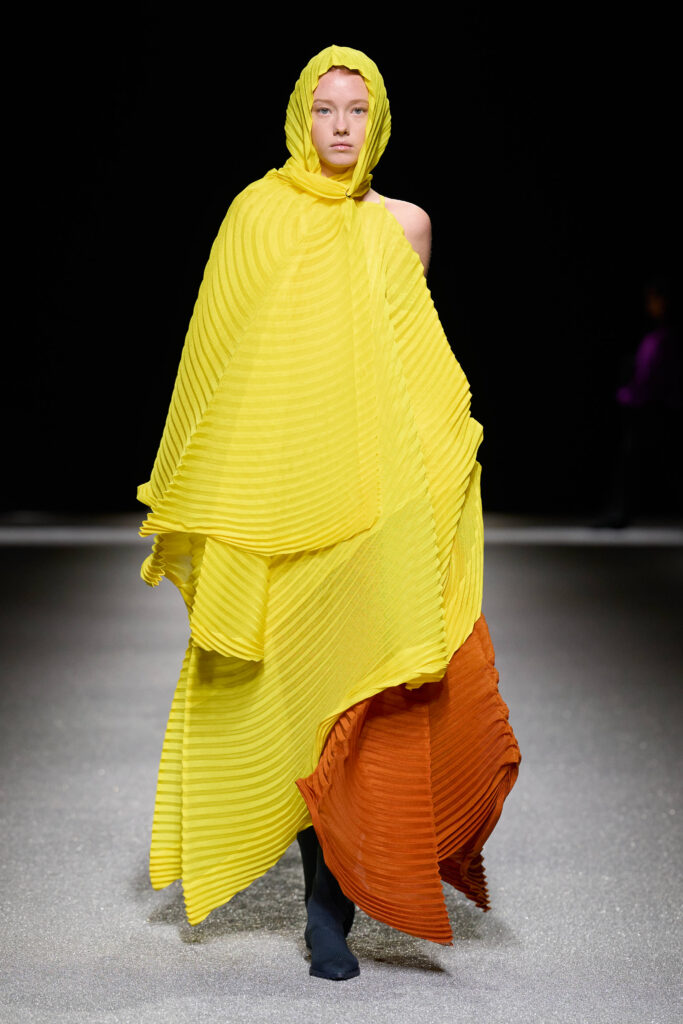
The show closes with “Calligraph” and “Urushi Body.” The first draws upon fluidity and formation rather than rigid construction. Wool gives the pieces structure, allowing them to stand three-dimensionally. Color appears to further elevate the draping, allowing for movement to continue to occur.
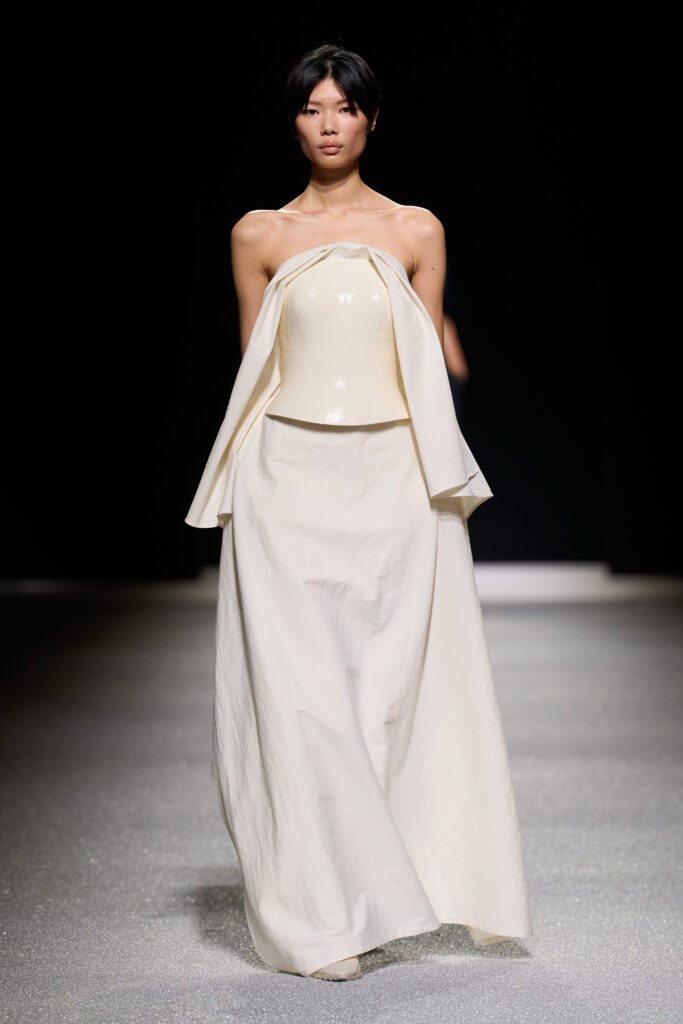
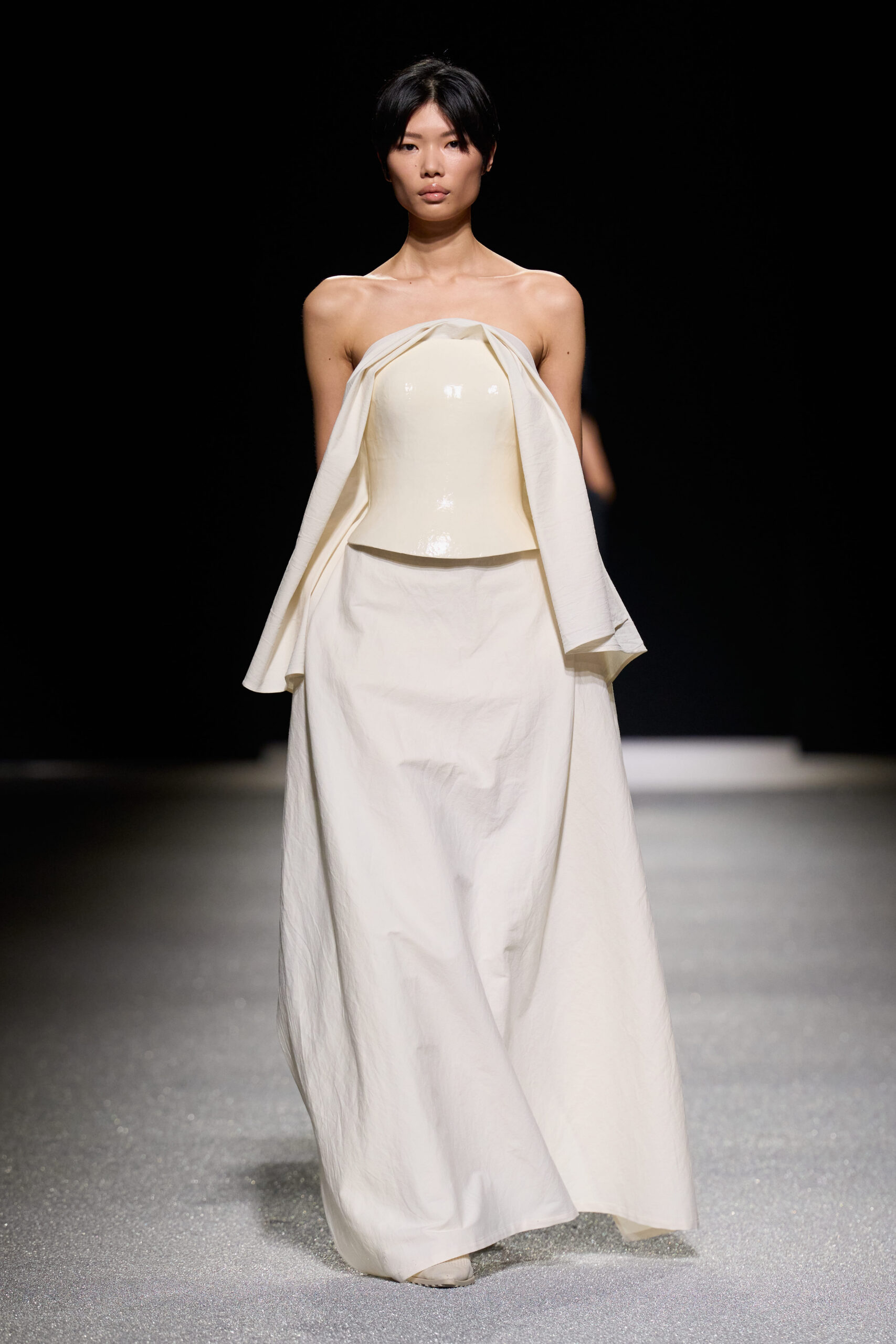
“Urushi Body” draws inspiration from the “obi”, a kimono sash, and the bustier, as a way to frame the body. The pieces are made in the Echizen region of Fukui Prefecture, using a complex process of hand tearing and layering, then sent to Kyoto for finishing touches. Much like the brand of Issey Miyake, the process of crafting these pieces is rooted in both traditional and modern practices.
Discover More