Freud and Fashion Collide at The Museum at FIT’s Latest Exhibition
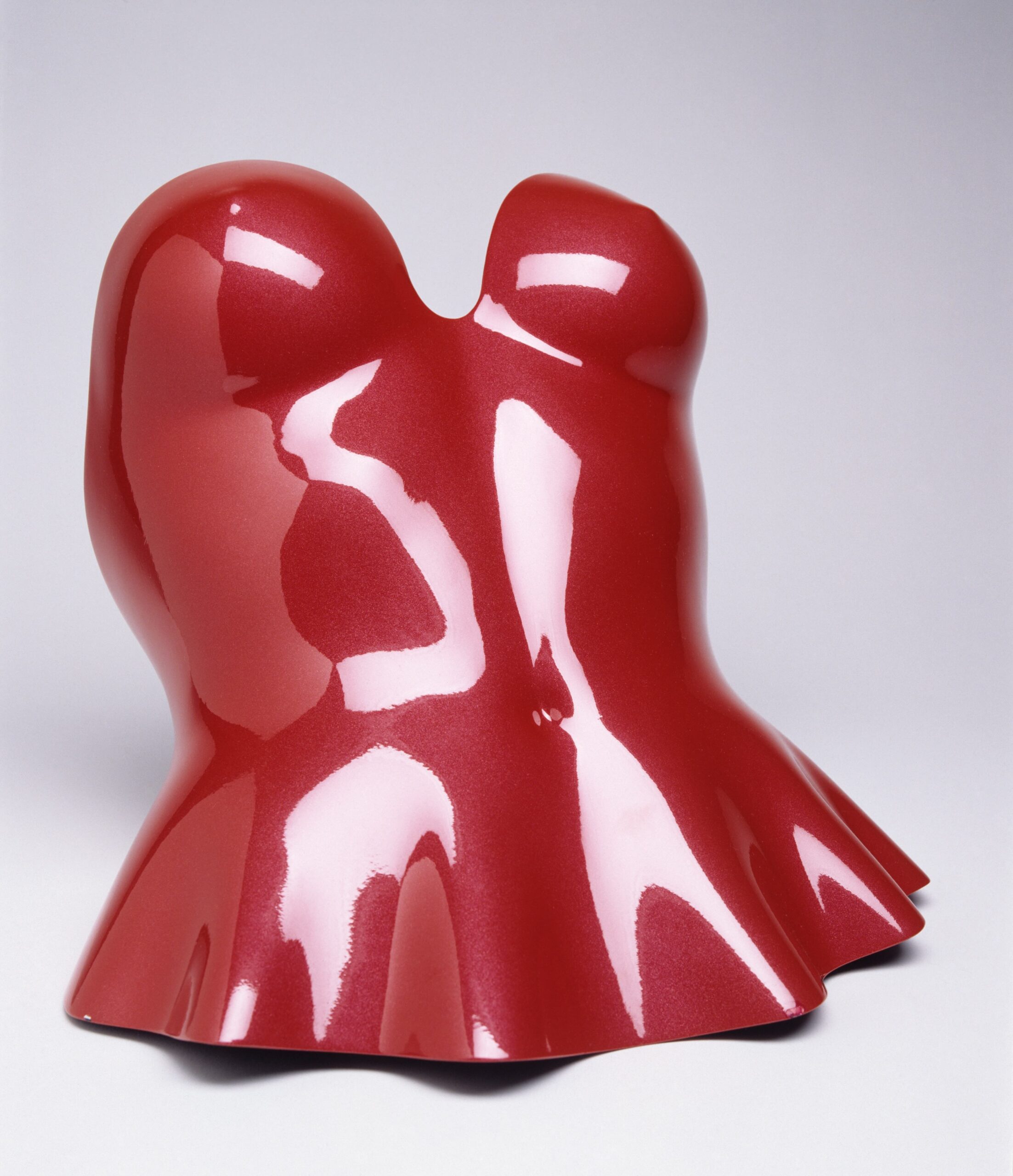
Dress, Dreams & Desire: Fashion & Psychoanalysis is on view — and will be in print
Sensuality plays no small role in the last century of fashion. Overt examples reveal themselves in pivotal moments that define decades, like the unapologetic miniskirts of the sixties, the red-carpet appearances in slip dresses from the nineties and the embrace of strappy stilettos throughout the aughts. But the study of this relationship between sensuality and fashion—and the psychological themes interwoven throughout the works of legendary designers—are revealed full-force at Dress, Dreams & Desire: Fashion & Psychoanalysis at The Museum at the Fashion Institute of Technology.
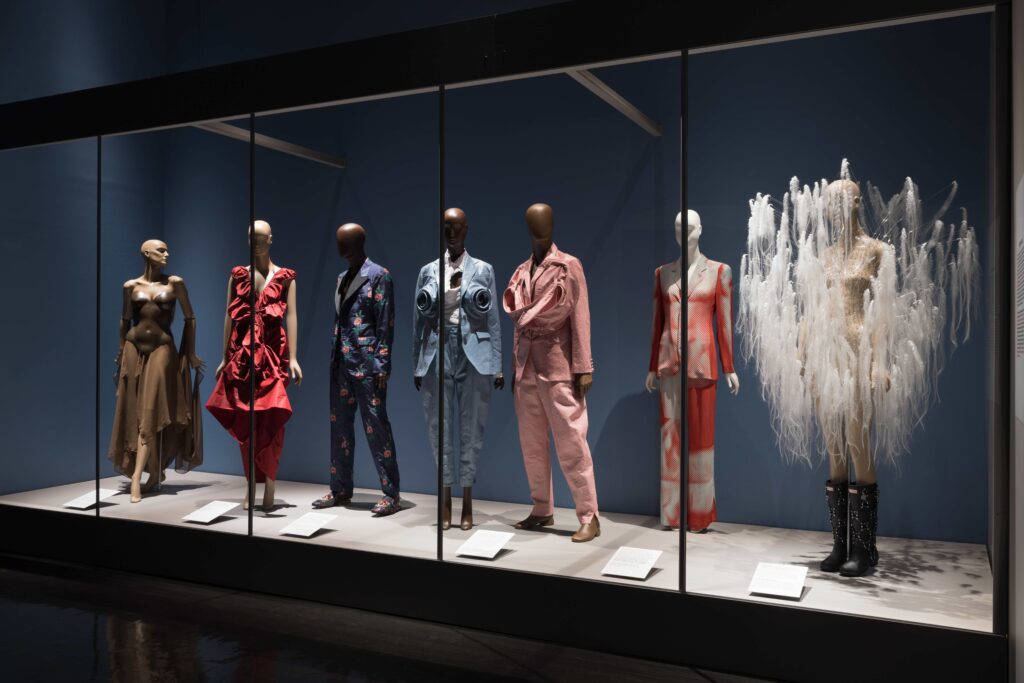
Curated by Valerie Steele, Museum at FIT Director and Chief Curator, the exhibit and accompanying book of the same title are the result of Steele’s five years of research on psychoanalysis and fashion. “Fashion is a primary lens through which we see ourselves—and how others see us,” shares Steele. “Far from being superficial, fashion can be regarded as a ‘deep surface’ that communicates our unconscious desires and anxieties, with none of us fully aware of the messages we send.”
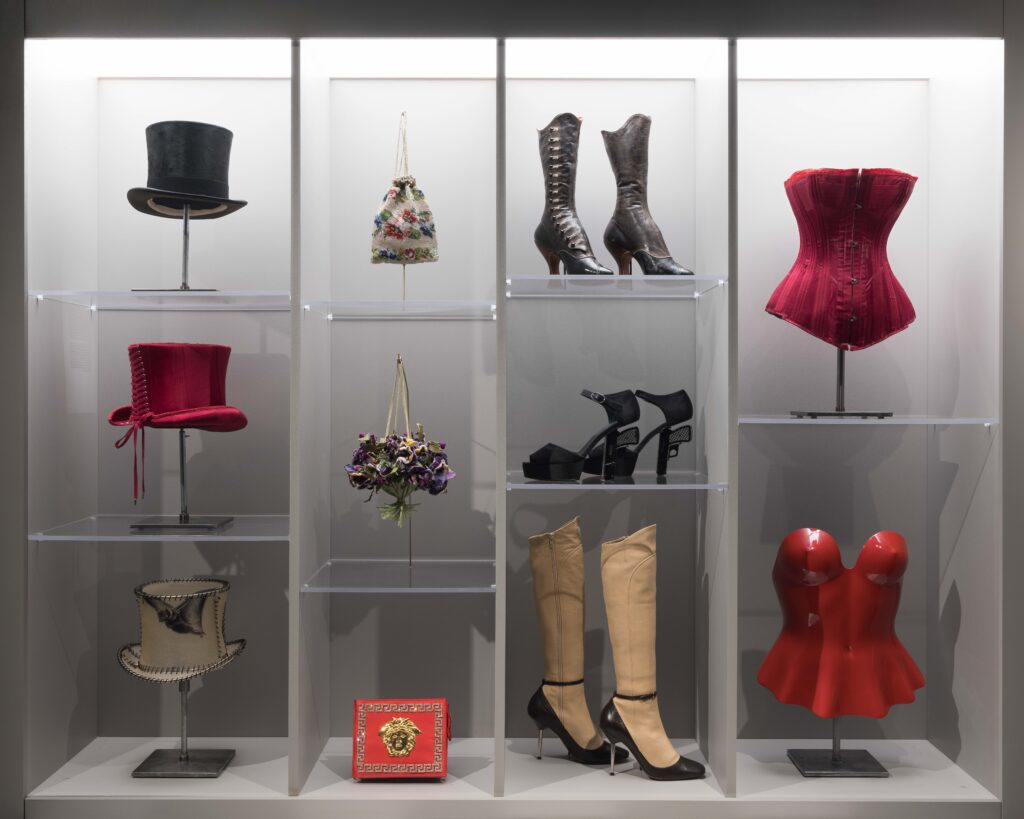
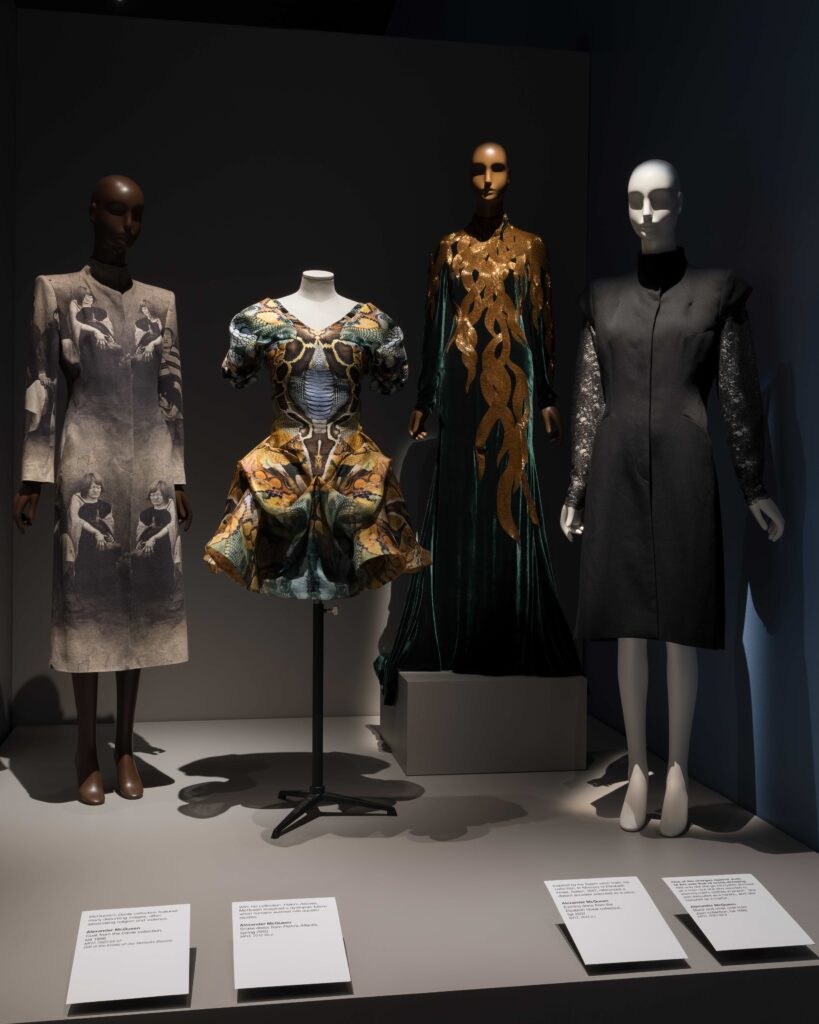
The exhibition features over 100 works from some of the most recognizable names in fashion. Split between two spaces, the exhibit chronicles the history of psychoanalysis alongside garments of the period in the opening site. The second space uses overarching themes related to psychoanalysis to interpret designs from industry titans. Some pieces featured include a duo from John Galiano’s Freud or Fetish collection for Dior, Alexander McQueen’s uplifting of a vilified ancestor in his Elizabeth Howe collection and Malcolm McLaren and Vivienne Westwood’s themes of bondage constructed in a suit. Works from Jean Paul Gaultier and Alessander Michele for Gucci push beyond imposed limits related to societal gender norms. “They call me the ruler of gender fluidity, but, to me, I was just pulling out beauty,” says Michele according to a quote shared in the exhibit.
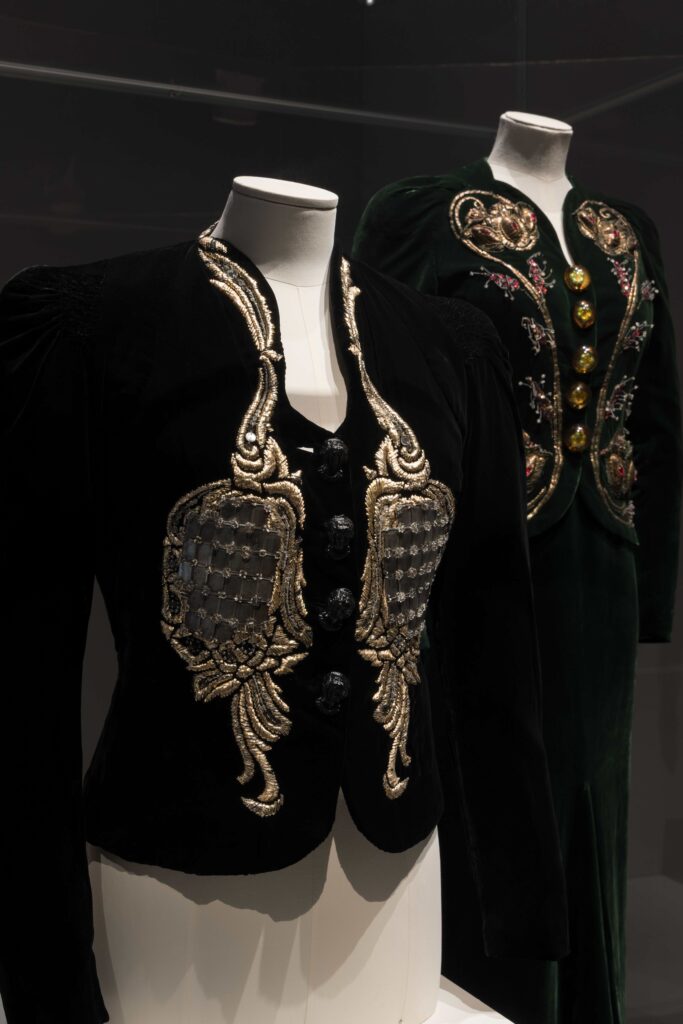
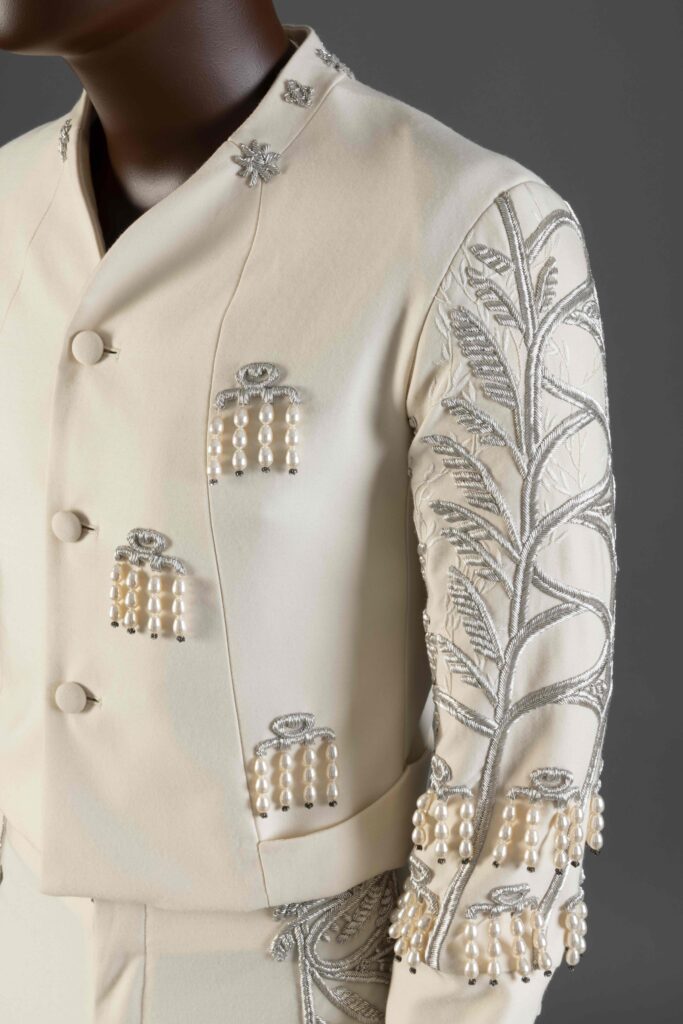
Spiritual and archetypal themes are presented through works like Rick Owens’ ensemble from his Priestesses of Longing collection and Elsa Schiaparelli’s mirrored dinner jacket from her legendary Zodiac collection. Exquisite details elicit reverent moments of their own, like Grace Wales Bonner’s suit decorated with cowrie shells, signifying deep spiritual meaning.
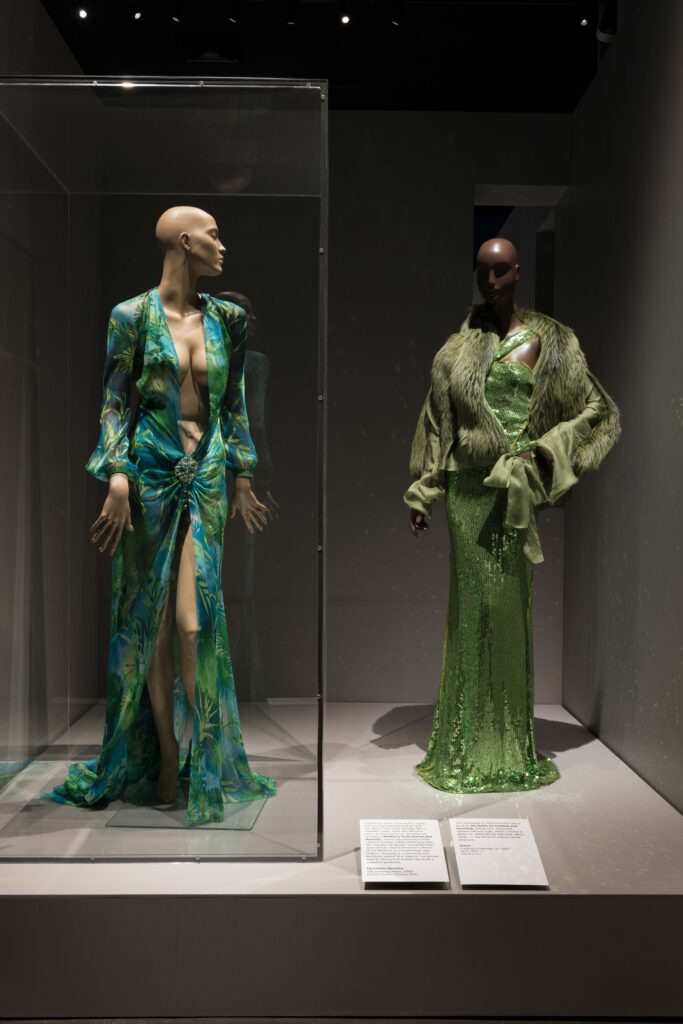
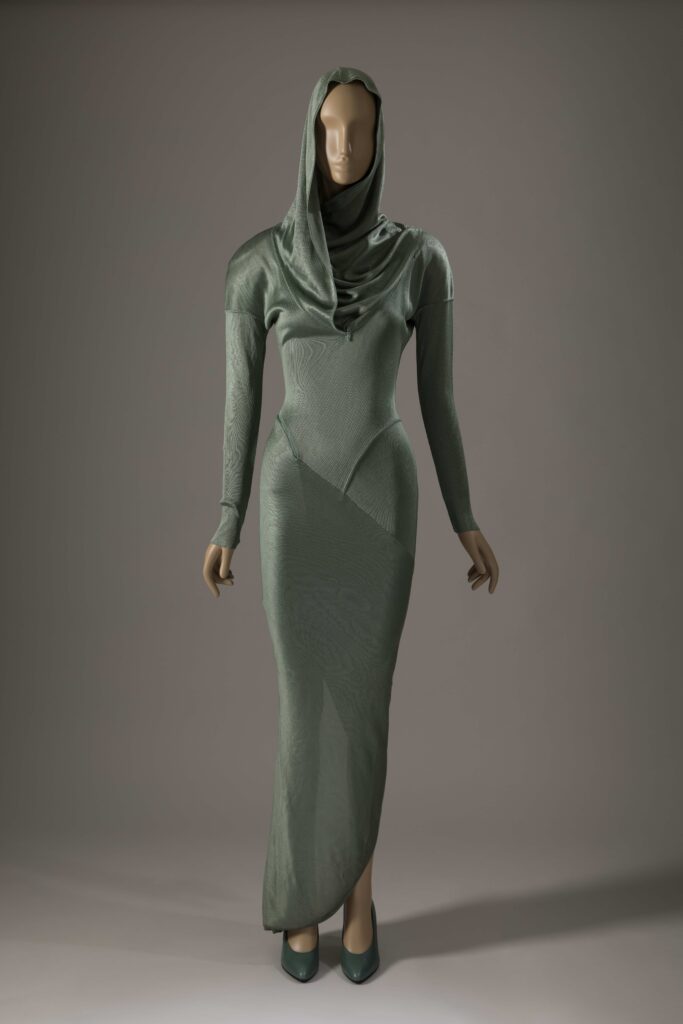
Concealment—and the desire it provokes— is shown through cloaked and cocooned looks, specifically a dress from Alaïa and an ensemble from Romeo Gigli. On the other hand, viewers will be reminded of evocative celebrity dress that caused media rip currents. Gianni Versace’s “Safety-pin dress” worn by Elizabeth Hurley to a nineties’ film premiere echoes the designer’s obsession with bondage from his collection two years prior. Another Versace piece is showcased, but this one from Donatella Versace, and it’s the then-scandalous green dress worn by Jennifer Lopez to the Grammys in 2000 (you know the one).
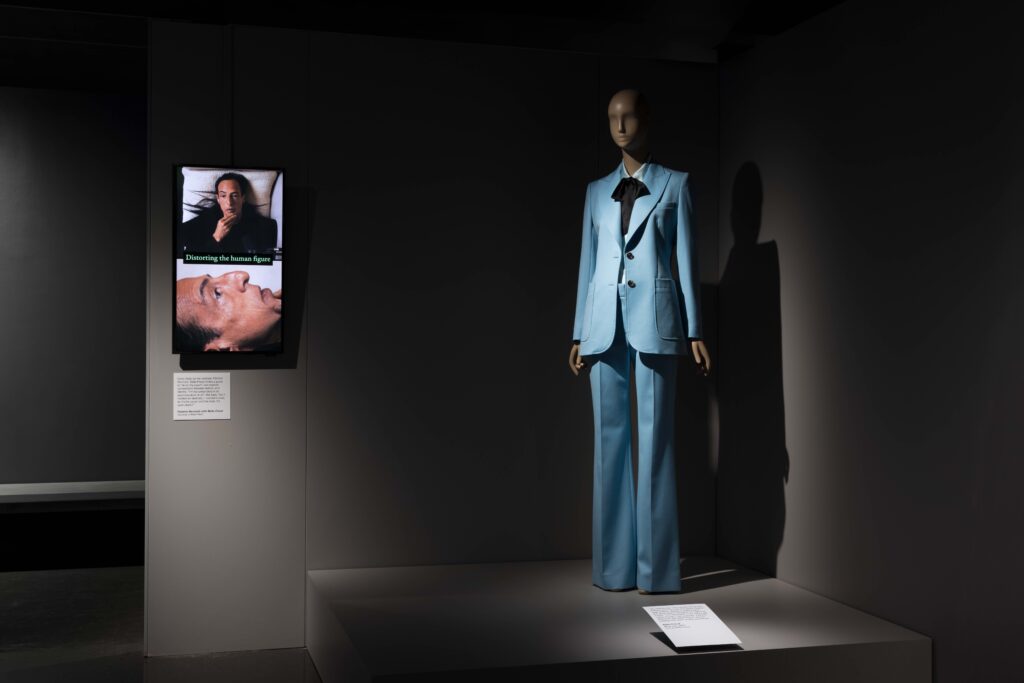
Steele’s exhibition manages to uncover much of what is hidden in plain sight and links the psychological undercurrents between various works. In some cases, it’s bluntly delivered—like through the exhibition’s film clips. A portion of Hitchcock’s film Spellbound shows a Dali-designed set for a surreal dream sequence, revealing a character’s subconscious placed alongside hand-painted ties by the artist. Clips shared of Bella Freud’s podcast, Fashion Neuroses with Bella Freud, feature portions of episodes with guests Kate Moss and Rick Owens. Alongside the video, a blue pant suit belonging to the podcast host (who is Sigmund Freud’s great-granddaughter) is displayed. In reference to her suit, Freud is quoted: “I’m interested in the way a girl looks boyish.”
Dress, Dreams and Desire: Fashion & Psychoanalysis is on view through January 4, 2026, at The Museum at FIT. Steele’s accompanying book of the shared title will be published on November 13.
Discover More