Heroes: Honey Dijon Makes ‘Nightlife’ A Lifestyle
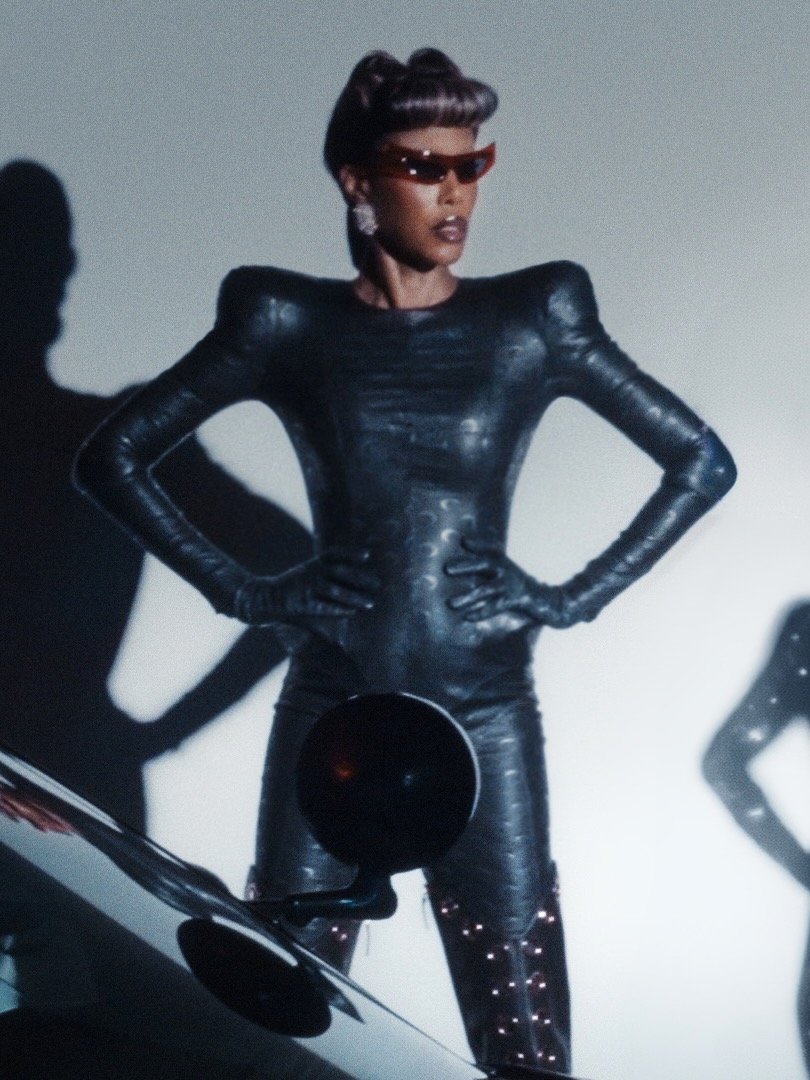
For the DJ-turned-producer-turned fashion magnate (and magnet), Nightlife is a lifestyle
Honey Dijon is one of the most important names in music, having won a Grammy for her work on Beyoncé’s Renaissance album, as well as collaborating with major fashion houses such as Louis Vuitton and Dior. Still, she remains, in many ways, an “underground artist,” having moved to New York in the ‘90s and DJing at some of the city’s most legendary venues.
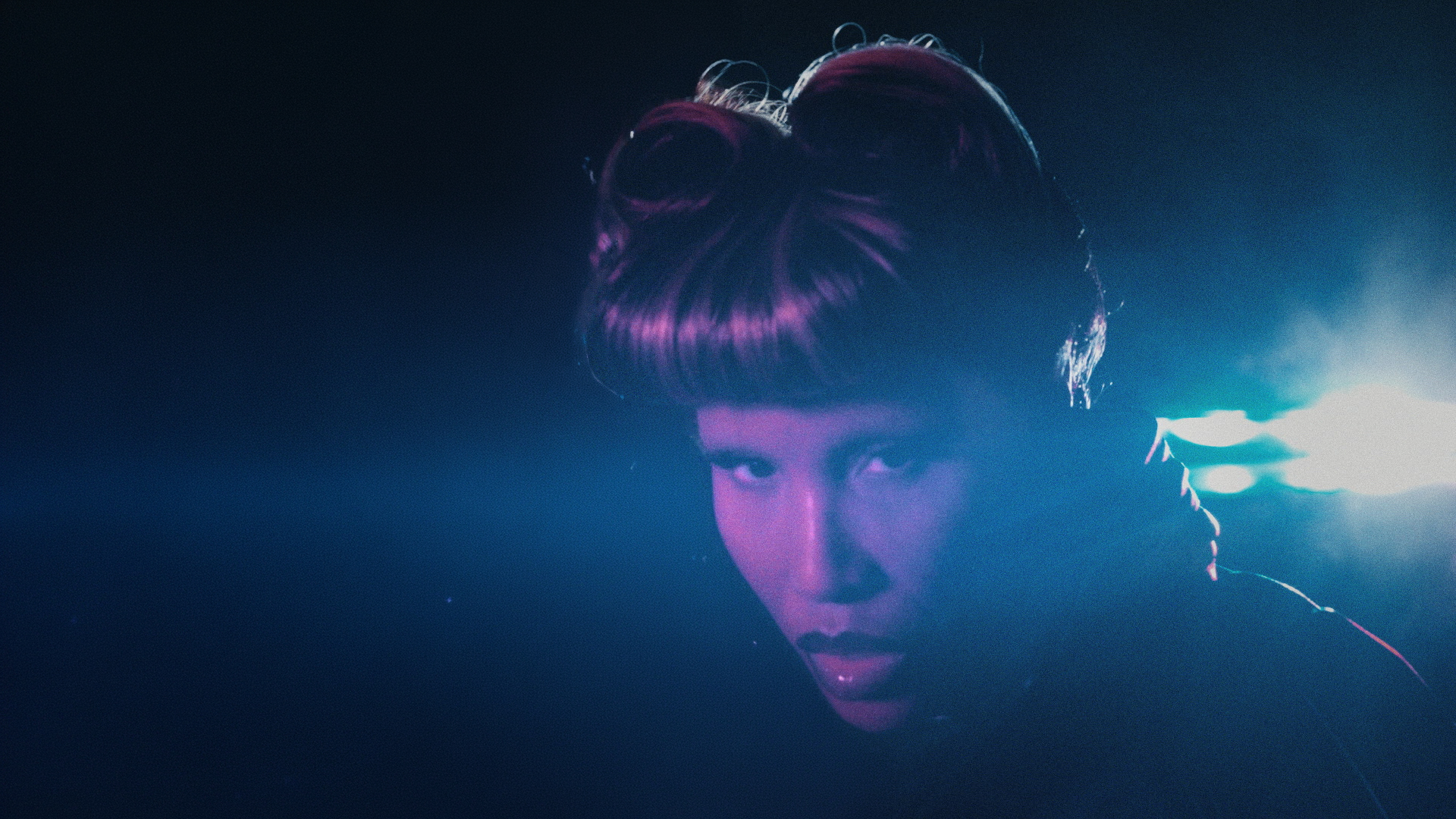
“I feel like in New York, you always had to contribute something to be invited into the room, especially nightlife,” she says—a line that, in many ways, defines not only her beginnings, but the ethos that continues to shape her work. “The club was not just entertainment. It was sex, it was fashion. There was no hierarchy with a meeting place—we all went uptown and downtown. They were just as equally valid.” These various intersections between types of people and places, underground culture and the mainstream, remain central to how she contributes to culture, as well as how she constructed her new album, Nightlife, which takes its name as both homage and framework. Rooted in the foundations of house and disco but shaped through a contemporary lens, the record moves between reverence and reinvention, pulling in a range of collaborators while staying grounded in her understanding of the dancefloor and influenced by her artistic inspirations. “It’s called Nightlife because, you know, Grace Jones, to me, is my North Star [for] all things artistic,” referring to Jones’ album Nightclubbing from 1981.
Dijon is fluent in these canonical references—names, eras, musical genres, fashions—and speaks with a precision that makes her, in a way, a walking encyclopedia of cultural memory. It’s fitting, given that she is currently building a library in her Notting Hill home, with a book collection enviable to any true aesthete. Just is equally inspired by what culture has lost. Reflecting on pre-AIDS New York, she paraphrases the great Fran Lebowitz, saying, “Not only did AIDS kill the people that created the art, but it also killed the audience that understood the art… the gesture of a slight movement or a twist of a wrist or the nod of a head.” The loss created a void in cultural literacy—but Dijon doesn’t view the ‘90s as some sort of golden era. “I don’t look at the past in a nostalgic way,” she notes. “I look at the past in a critical way, and as a continuous dialogue with things that have gone before to move it into the present.” For her, every era carries its own influence, once again, without hierarchy. “For me,” she says, “thirty years ago is just as relevant as three hours ago.”
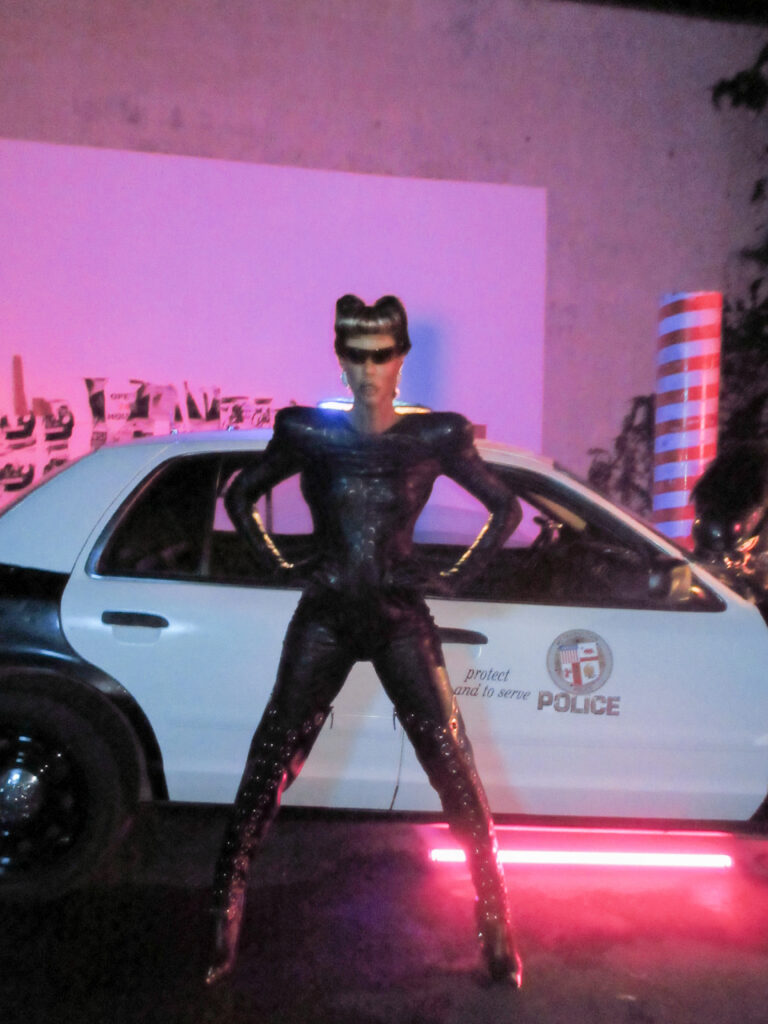
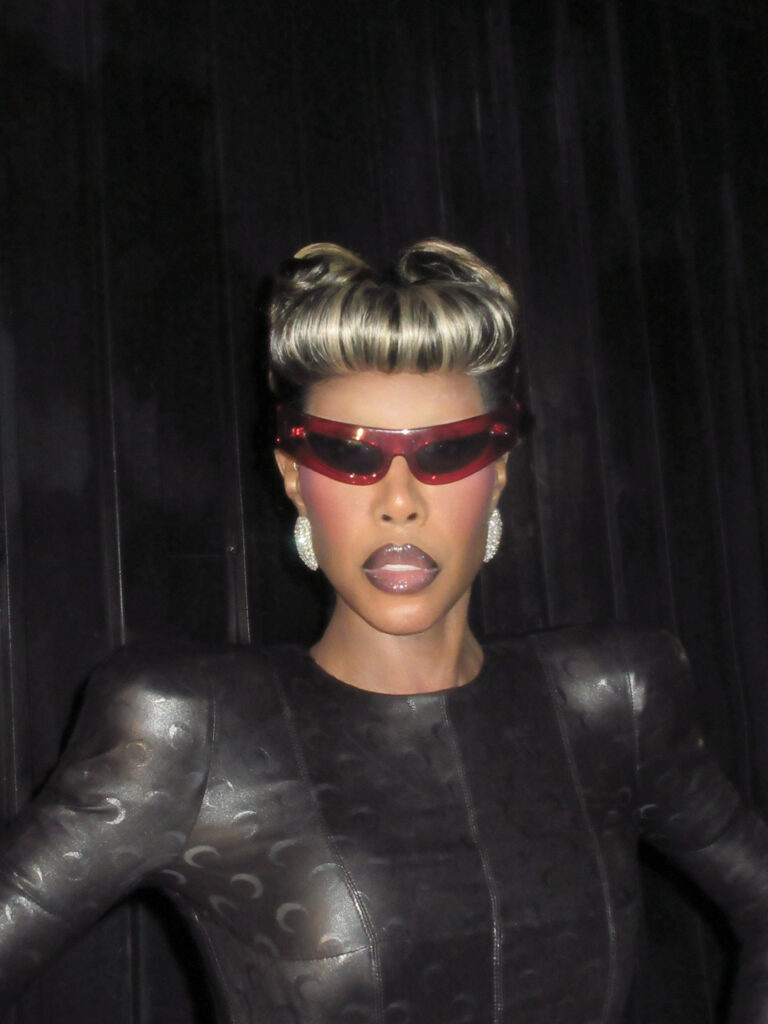
Photography by Stash/Makadsi
Still, Dijon’s story can’t help but remind us of a beautiful foregone time, when New York looked nothing like today. “I got fired from my job,” she recalls about working in Washington D.C., “because I was late every Monday coming back from New York. I would take the Greyhound bus, and sometimes it was late. I was late so often that they fired me.” Dijon was then paid a severance of $3,000, which she used to move to the city, sleeping on the floor of a friend’s apartment that she calls “a literal closet.” As is always the paradox with Dijon, there was glamour sprinkled onto the grit.
Speaking about the East Village club The Cock, she recalls when cockroaches “would crawl across my mixer. But every fashion person passed through those doors.” The club, a hotspot for the likes of Calvin Klein or Alexander McQueen, helped catapult Dijon into the realm of higher fashion. “I got so much work out of the Cock,” she recalls between stories of the venue’s go-go boys and other infamous characteristics.
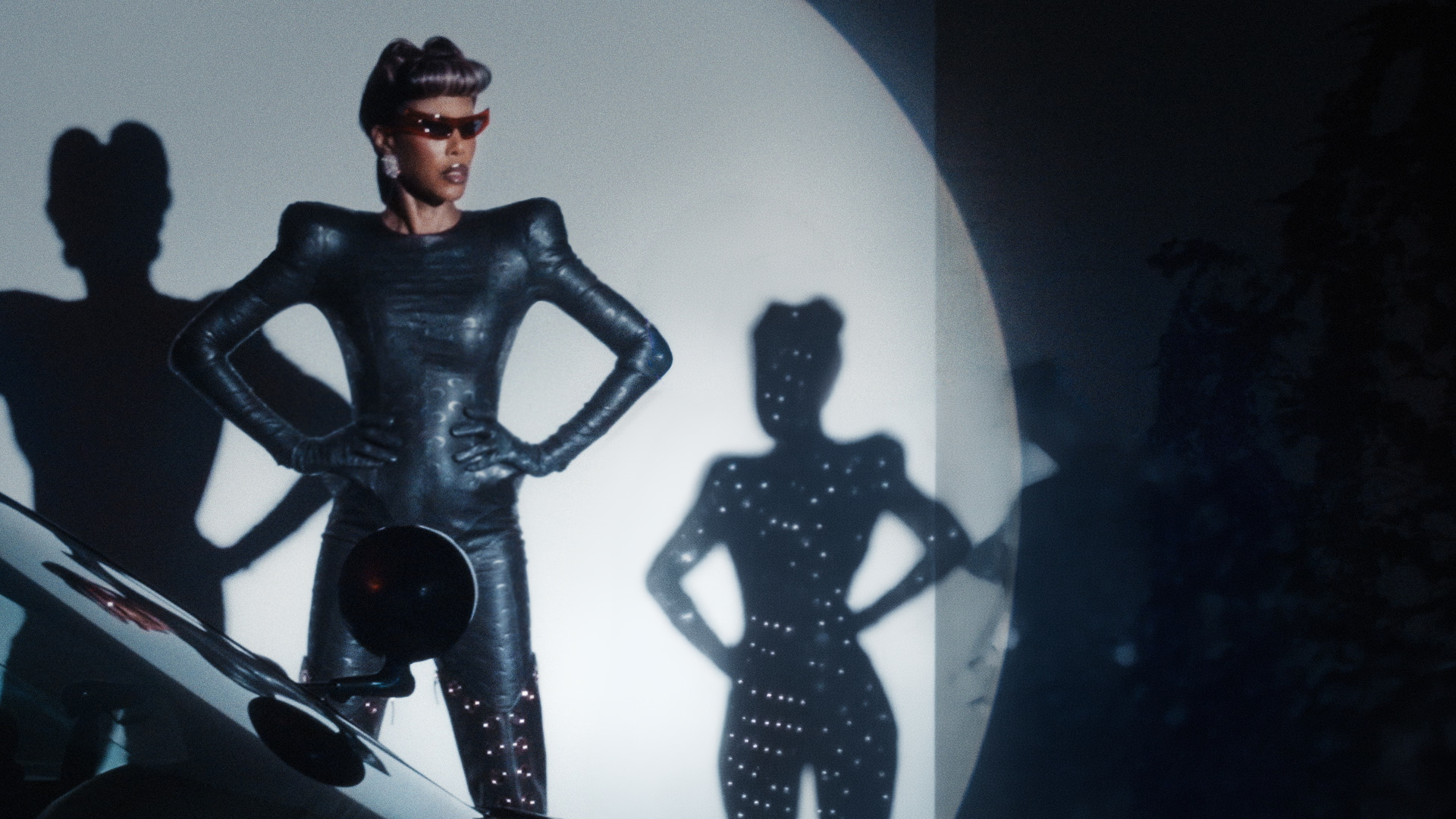
This encyclopedic memory of Dijon’s is refreshing in the modern day. “People have lost that muscle of imagination because we have so much information in front of us, and usually it is chosen by other people,” she says, pointing to a landscape where access is abundant but discovery is controlled by the powers that be (like the algorithm). “Music has become very cold, and especially with the advent of AI, a lot of our lives have become very cold,” she notes.
Nightlife reflects a contrary warmth and expansiveness not only in sound but also in form, arriving alongside a return to smaller club spaces through an intimate tour that foregrounds proximity over scale, culture over spectacle. While her earlier work leaned more strictly into house, this album moves across tempos and moods, informed in part by her experience working on Renaissance. “I learned a lot about songwriting. I learned about melodies and song structure just working with such an incredible pop artist,” she says, describing a process that allowed her to expand sonically without losing the cultural foundation that defines her.
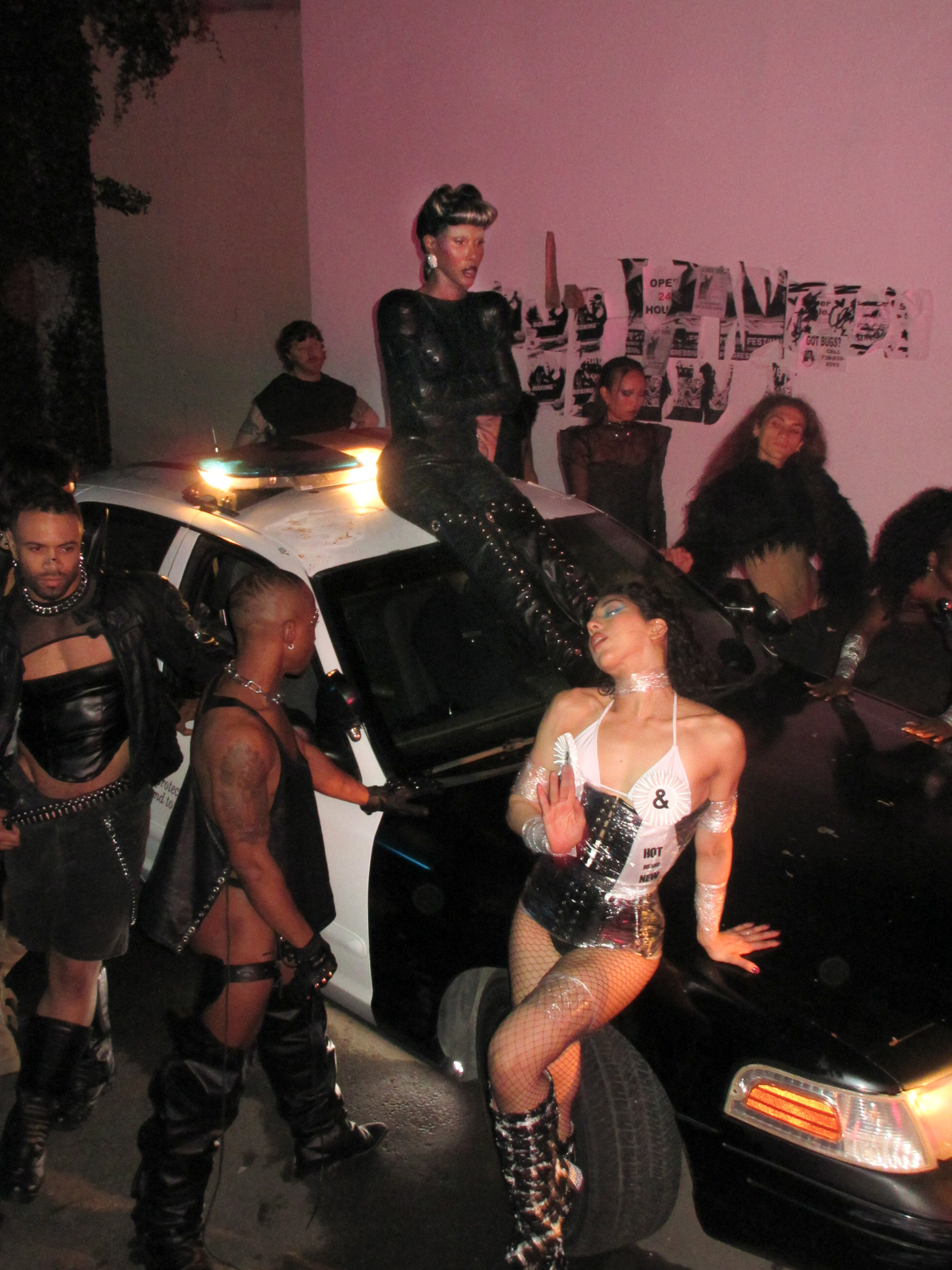
At its core, Dijon’s practice remains rooted in a philosophy she traces back to Malcolm McLaren: “The look of music and the sound of fashion.” And as far as outside opinions on her sound or look, which are of course deeply and masterfully intertwined, she says, “It is not your place to judge the work,” she says. “It is your place to do the work.” And so she does—continuously building, referencing, expanding—carrying New York with her wherever she goes. “No matter where I live,” she affirms, reflecting on the city that made her, “I am always going to be a fucking New Yorker.”
This story is featured in V160: now available for purchase!
Photography Stash/Makadsi
Discover More