How Photographer Martin Schoeller Created a Visual Celebration of Drag
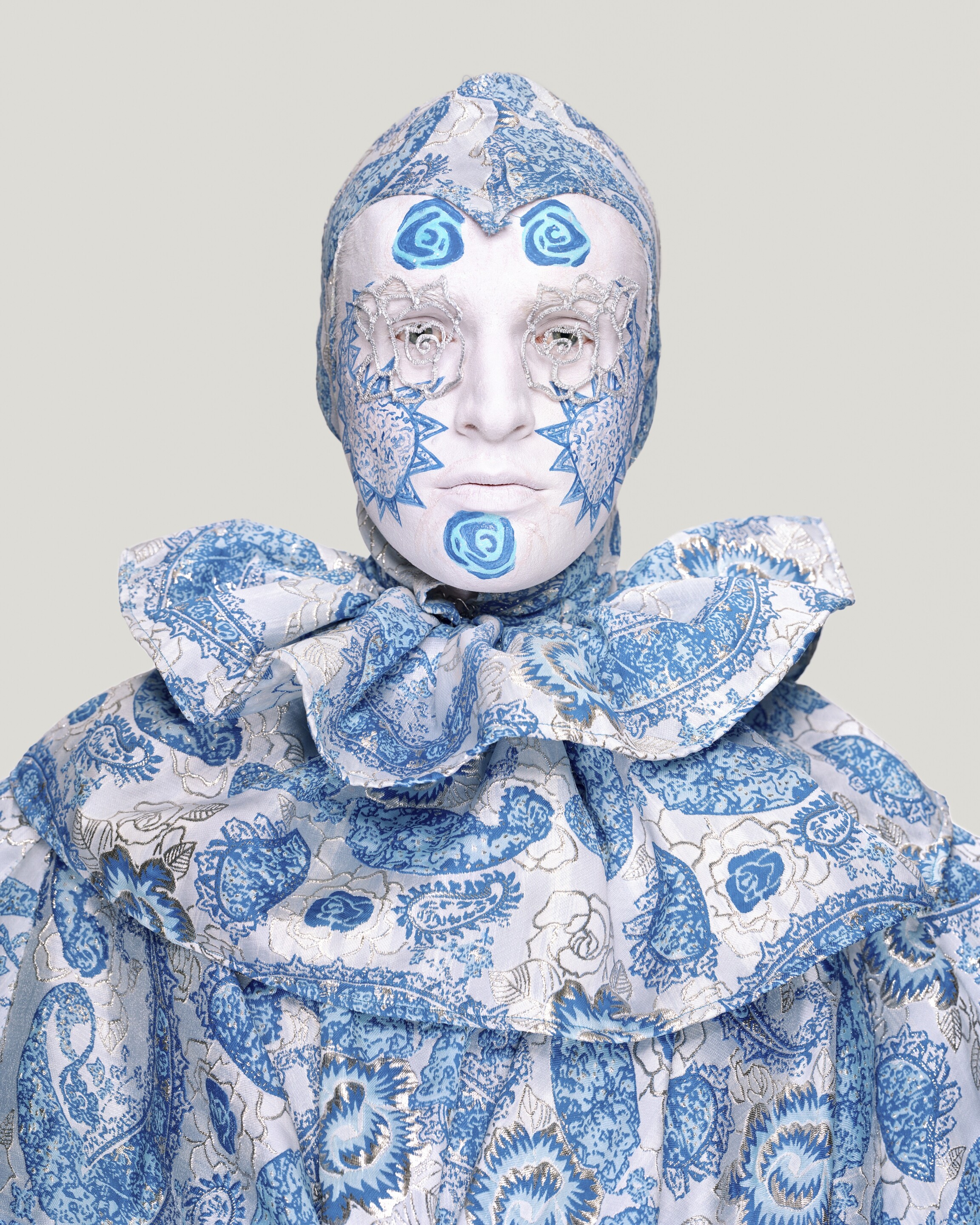
“The individuality of all drag queens and their approach to drag is what is so fantastic.”
The first time Martin Schoeller saw drag in 1992, he was living in the East Village. He had just moved from Germany and crossed the street from his apartment to a bar on Avenue A. But it wasn’t just any bar, it was the legendary Pyramid Club, what’s now known as one of the great homes of punk and art drag in New York. “It was a lot of fun, very raunchy, dirty jokes, very inappropriate, very dirty, very funny,” he said. “I loved it.”
Schoeller built a lauded career as a portraitist after moving to New York, and his work eventually appeared in magazines like National Geographic, Vanity Fair, and The New Yorker. His work is also now part of permanent institutional collections like the Smithsonian and the National Portrait Gallery. And while much of Schoeller’s work highlights celebrities, his personal work also includes portraits of a multitude of individuals, from artists to indigenous leaders to, most recently in book form, drag queens.

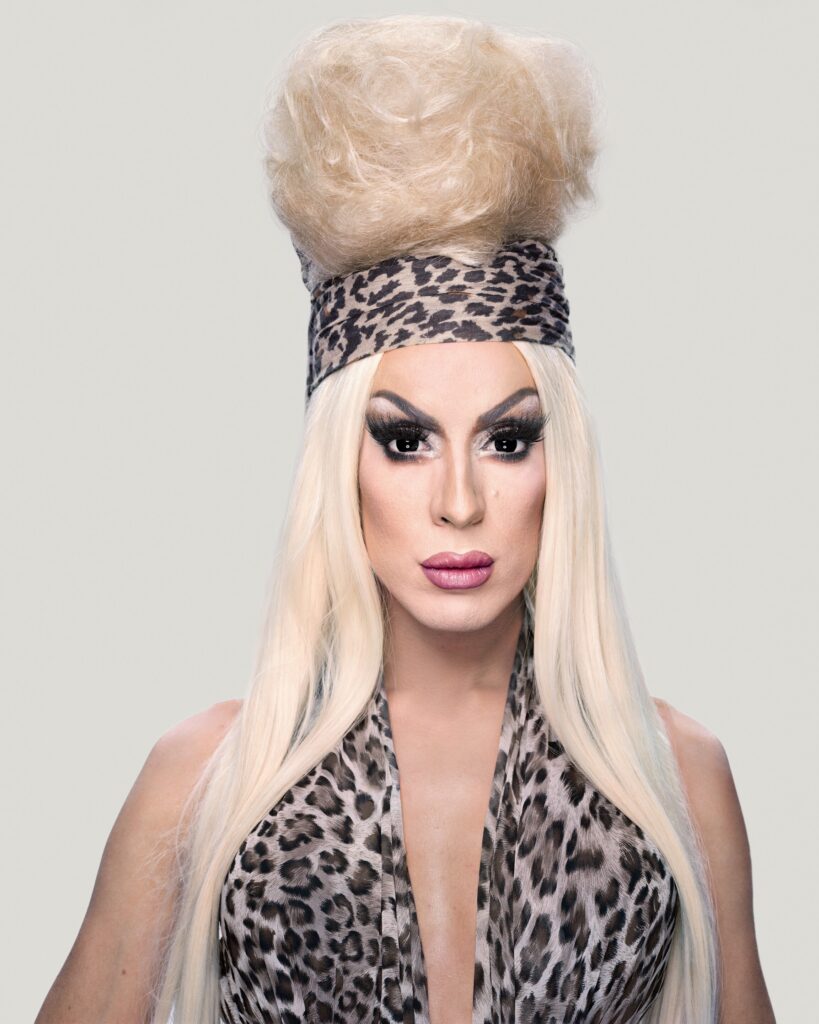
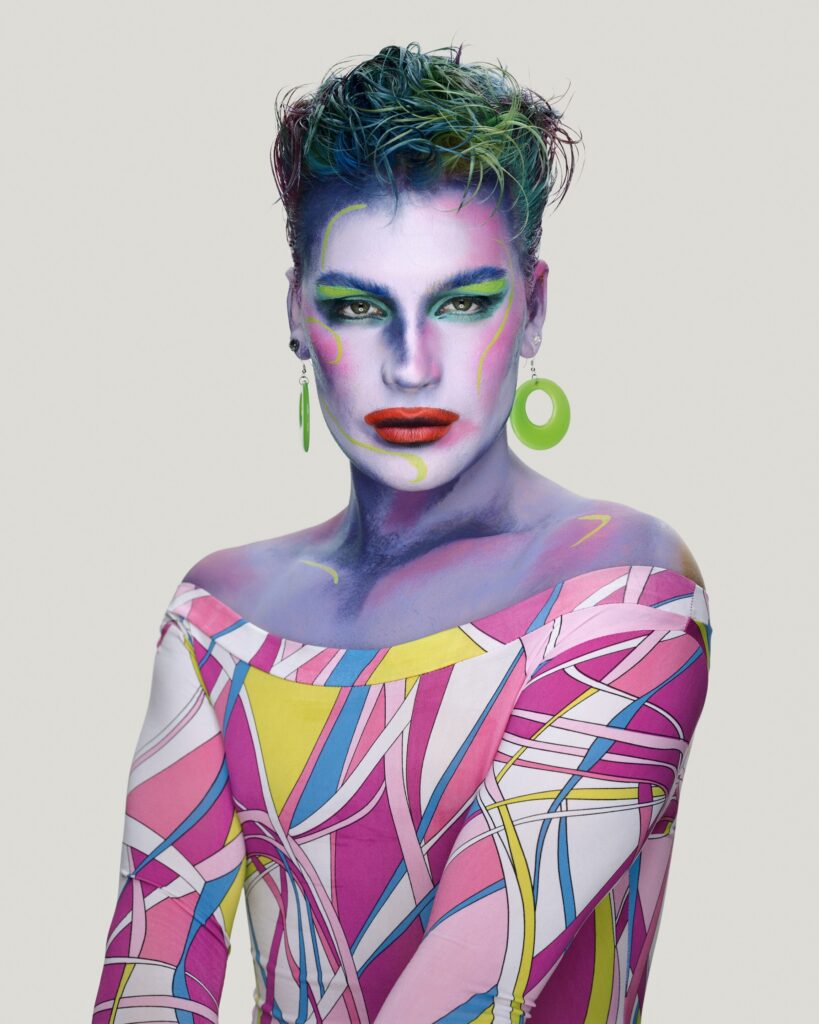
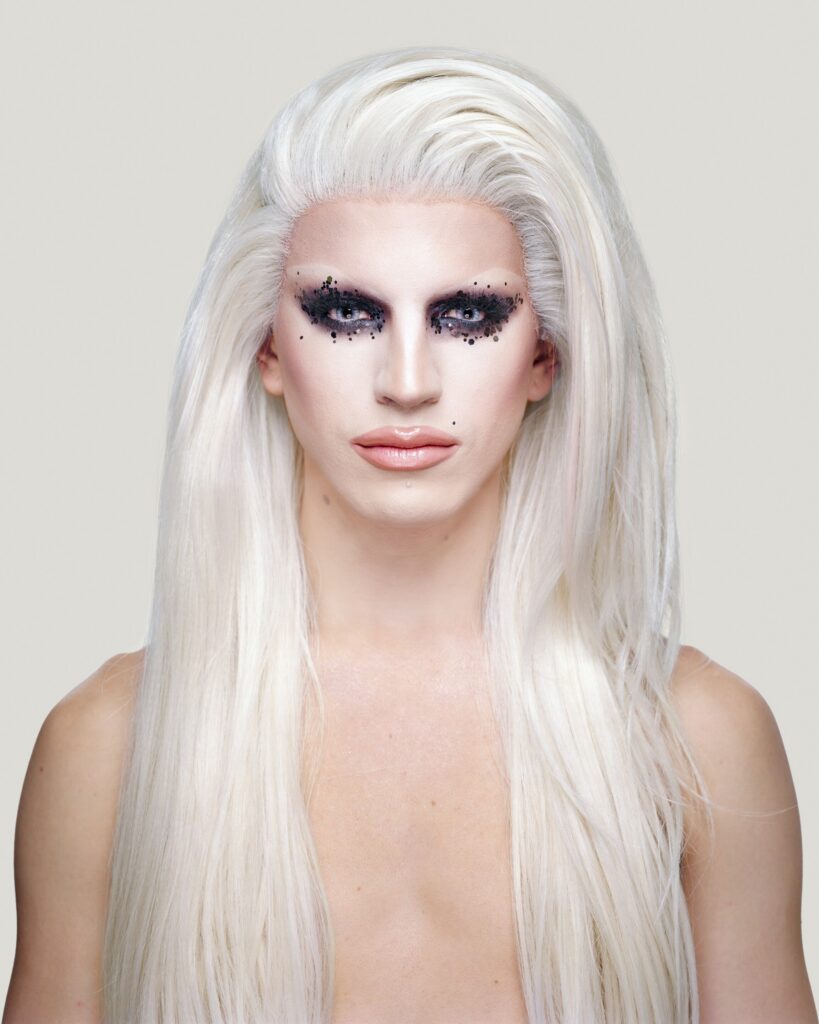
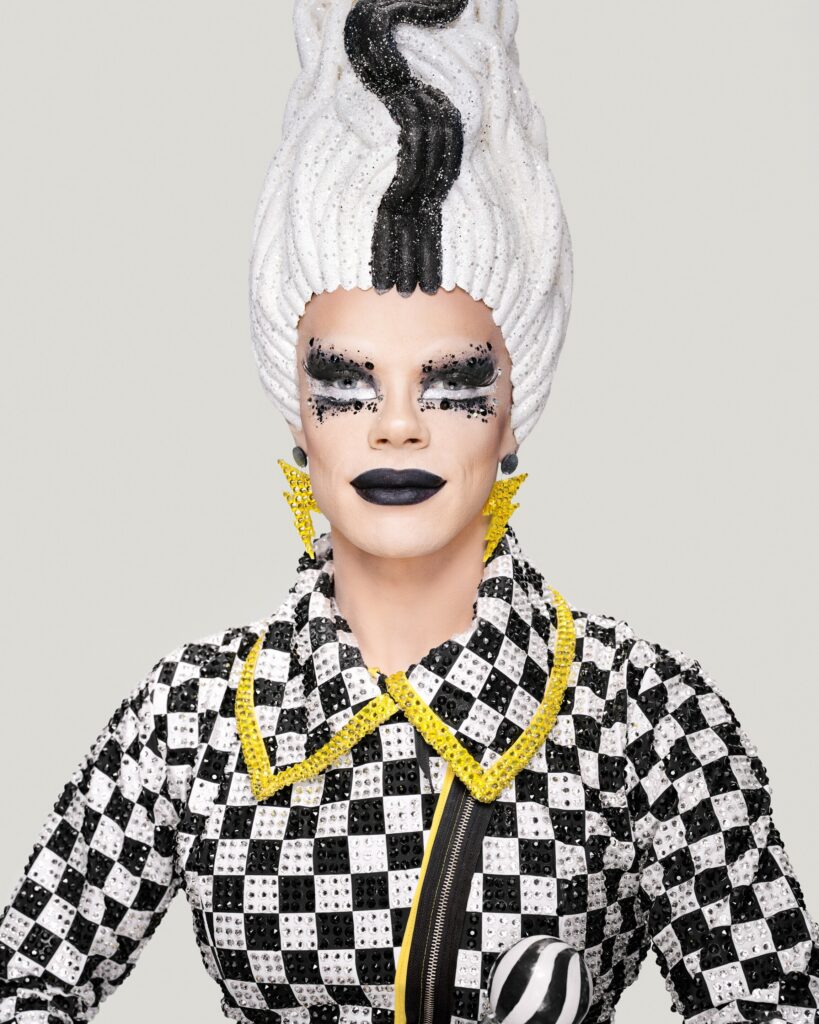
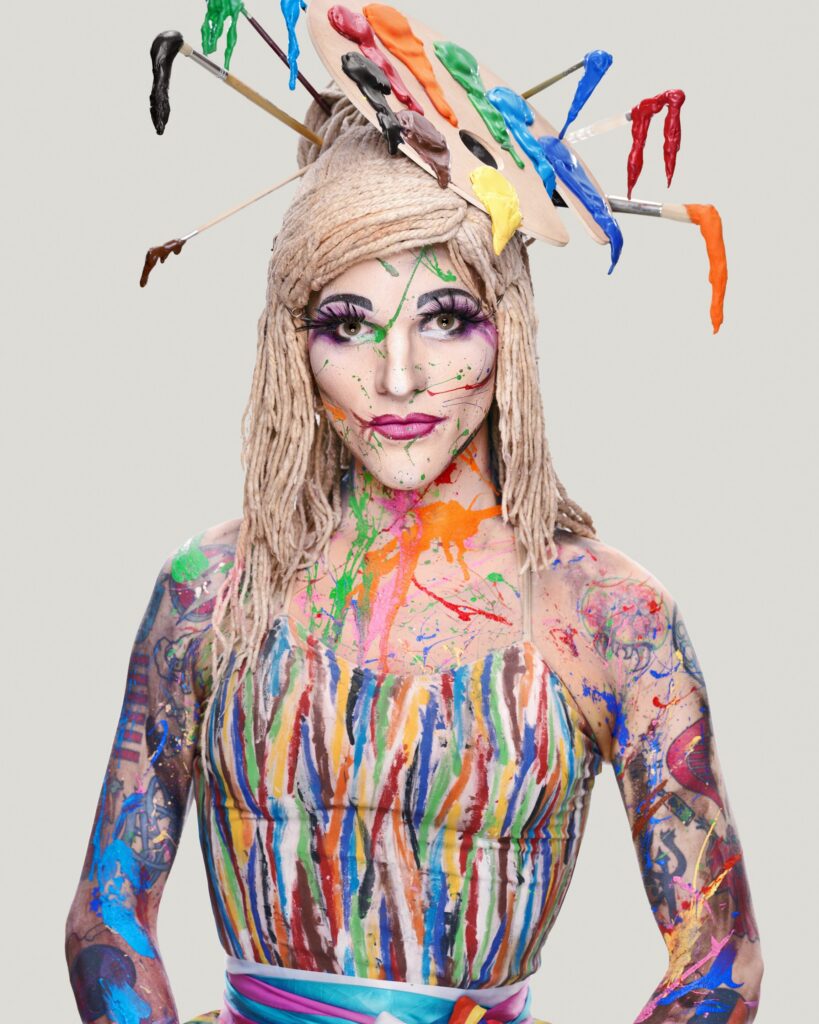
Martin Schoeller: Drag Queens is out now from Steidl Verlag, and includes 77 portraits of drag artists from around the world. In addition to the book, some of these drag images will also be on view in the exhibition “Drag Queens and Other Stories” at Kunsthaus Göttingen in Göttingen, Germany along with other Schoeller portraits until October 11.
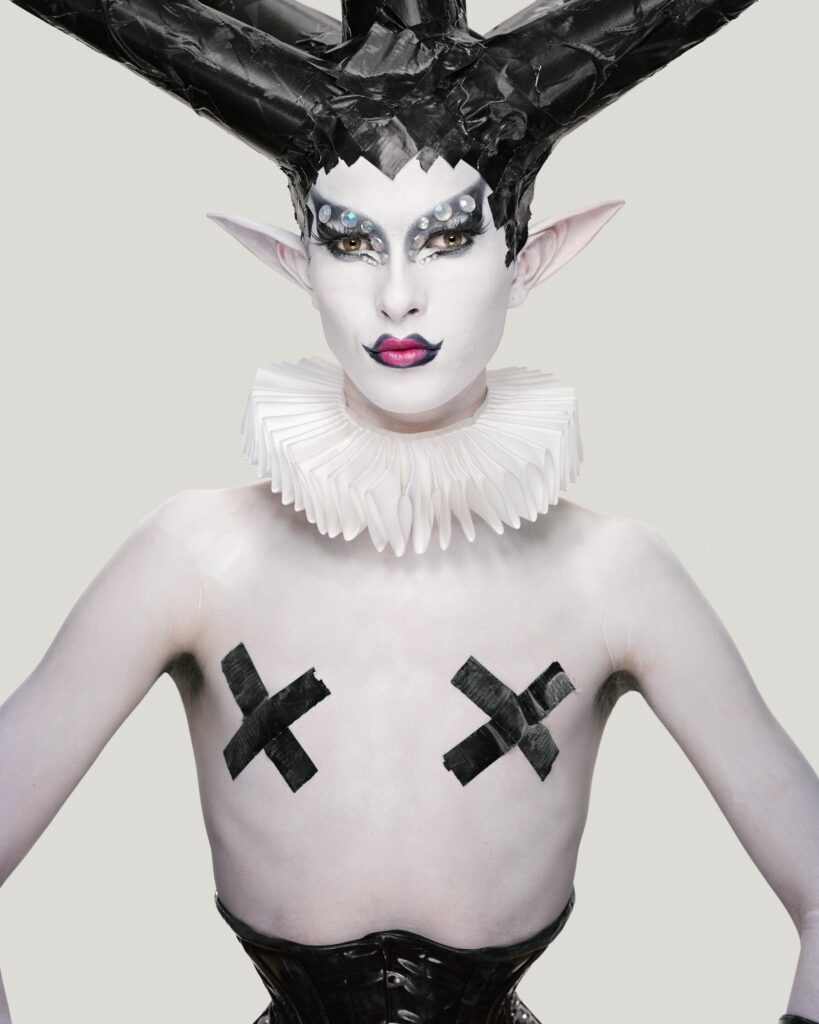
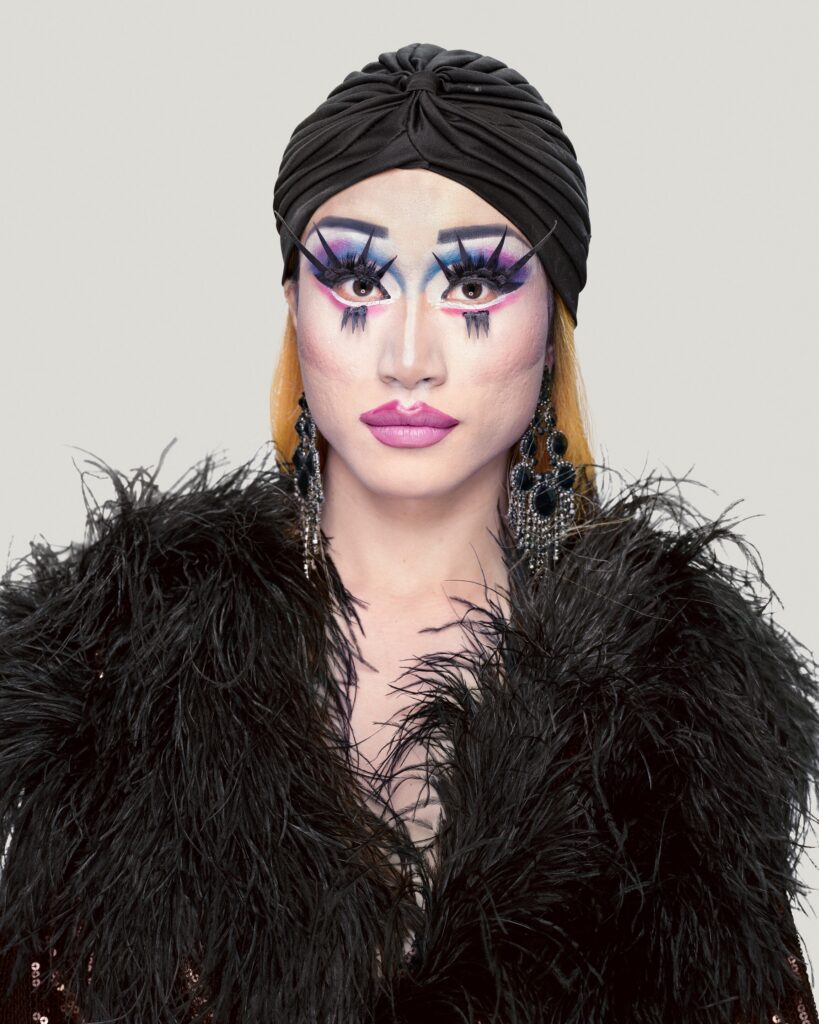
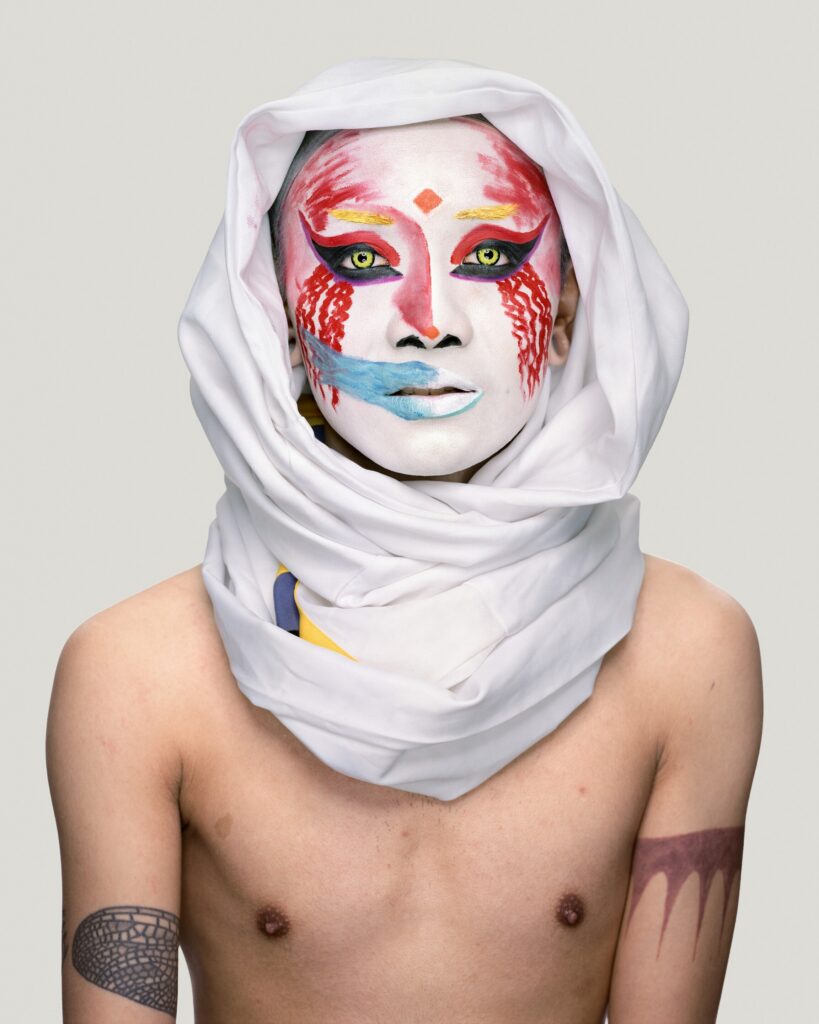
Schoeller photographed drag for the first time when shooting the Out 100 in 2018, when drag artists Aquaria and Hungry were honorees. It wasn’t like the drag he knew at the Pyramid Club and he was fascinated, he said. “I was so impressed, and then I looked at pictures and saw how drag has changed into this extreme art form,” Schoeller said. He knew the next subject he wanted to take on. As he traveled, he photographed as many drag artists as he could, who performed in as many styles of drag as he could find. The more Schoeller photographed drag, the more he fell in love with it. “The individuality of all drag queens and their approach to drag is what is so fantastic. That ranges from humor to scary characters to alien-looking creatures with four nipples,” he laughs. While yes, there are definitely some girls from RuPaul’s Drag Race in the book, there are also local icons and international drag divas galore. Indeed, the book features a foreword by Dr. Cheddar Gorgeous, who also appeared on season four of RuPaul’s Drag Race UK.
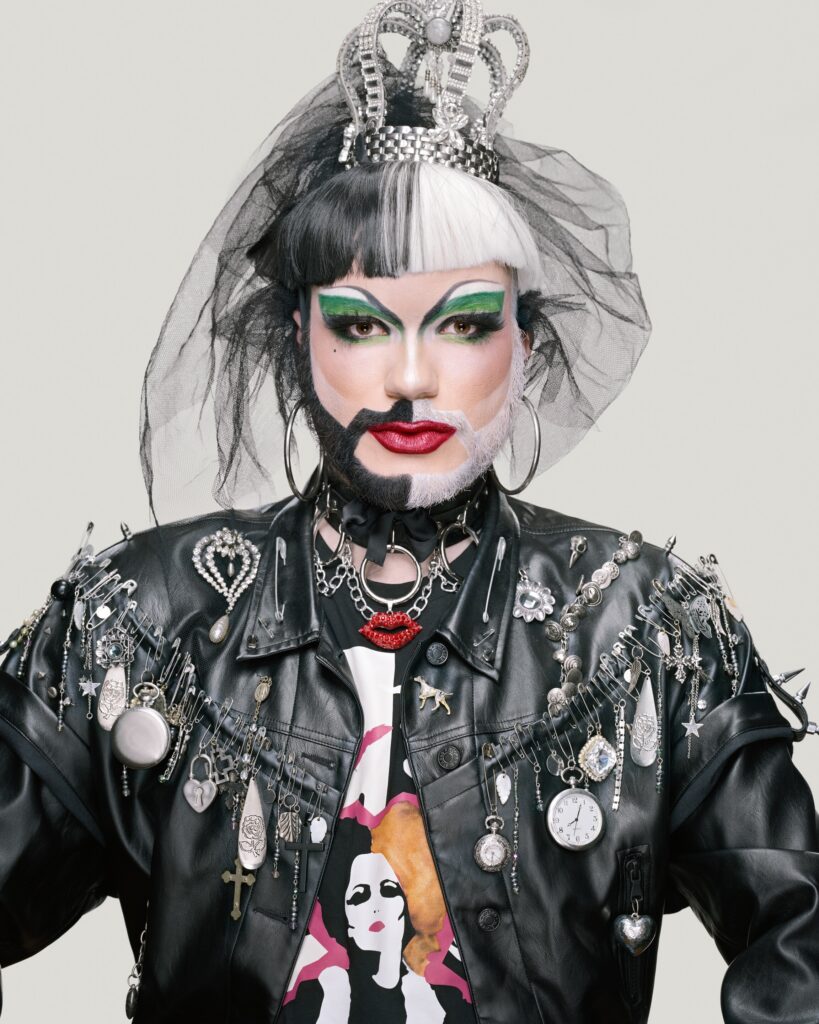
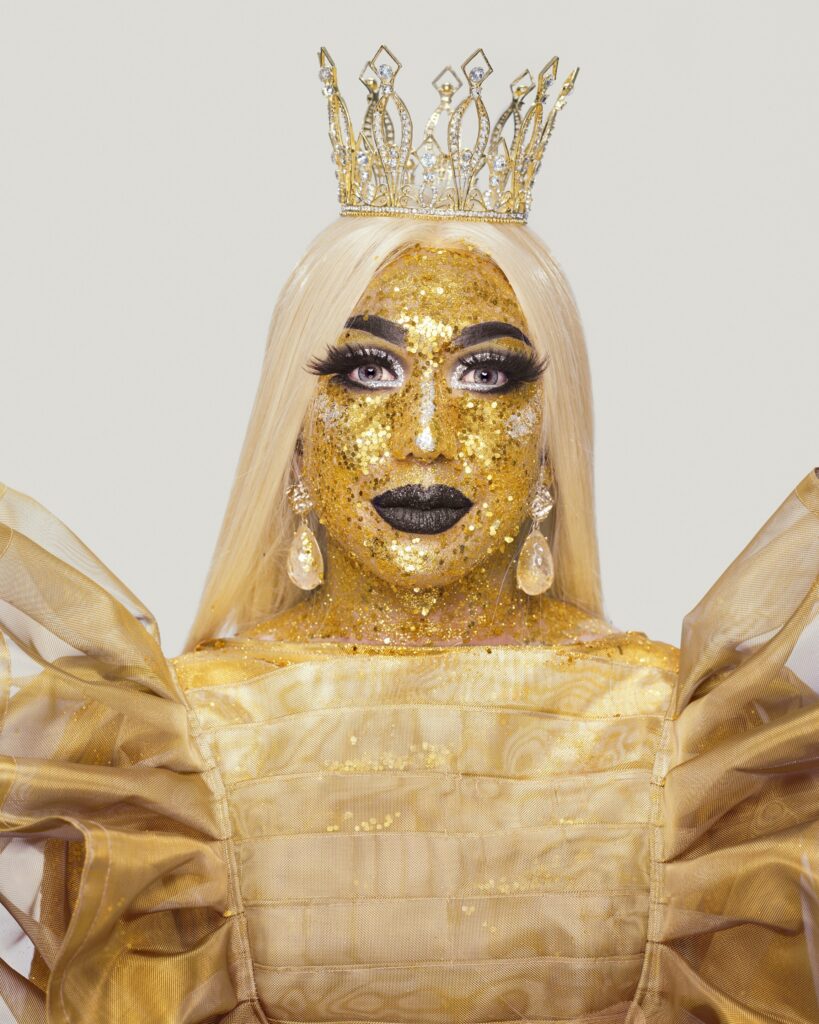
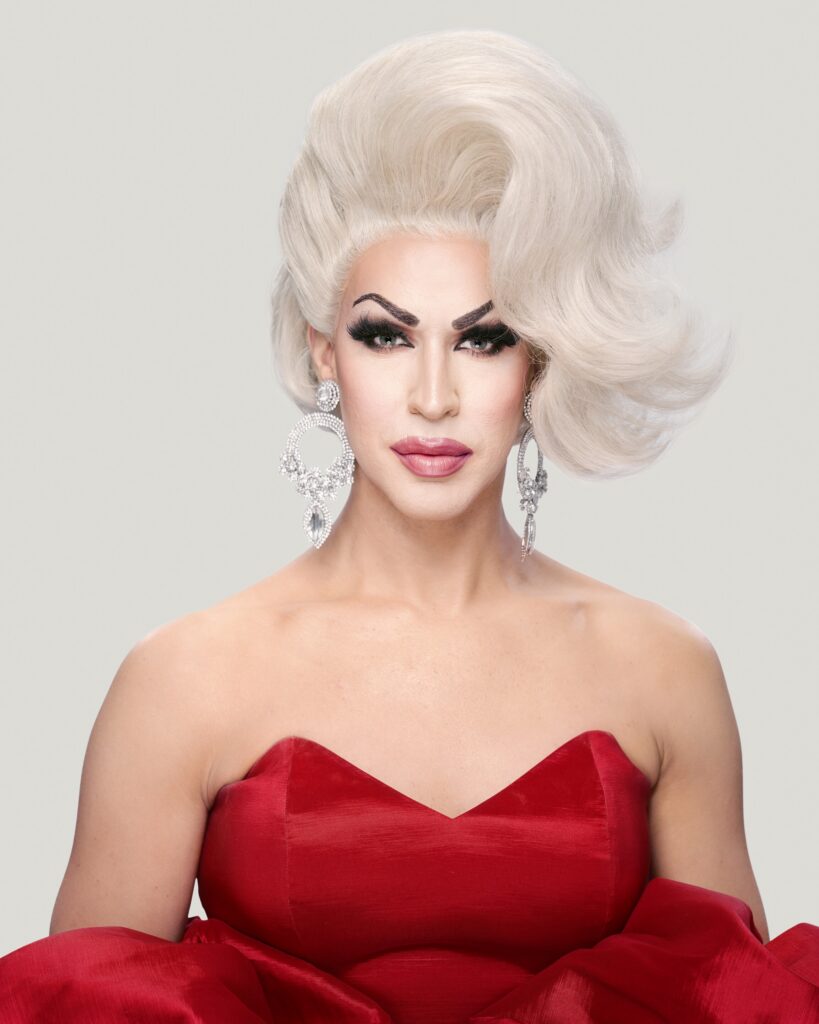
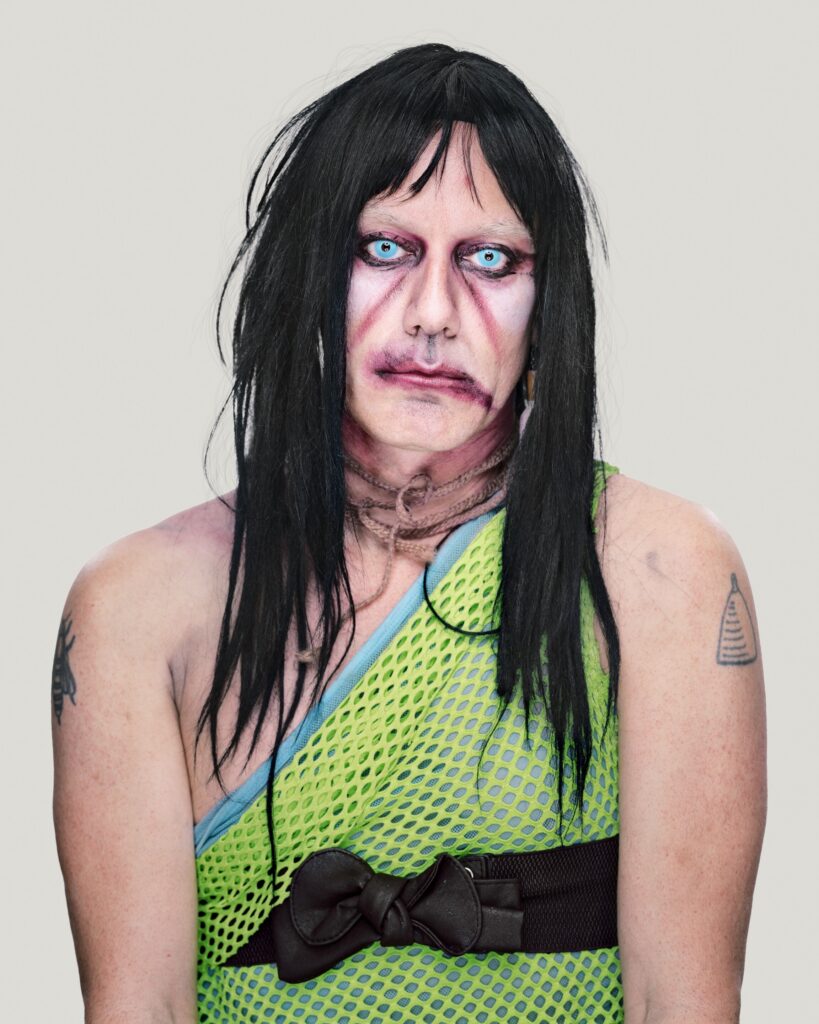
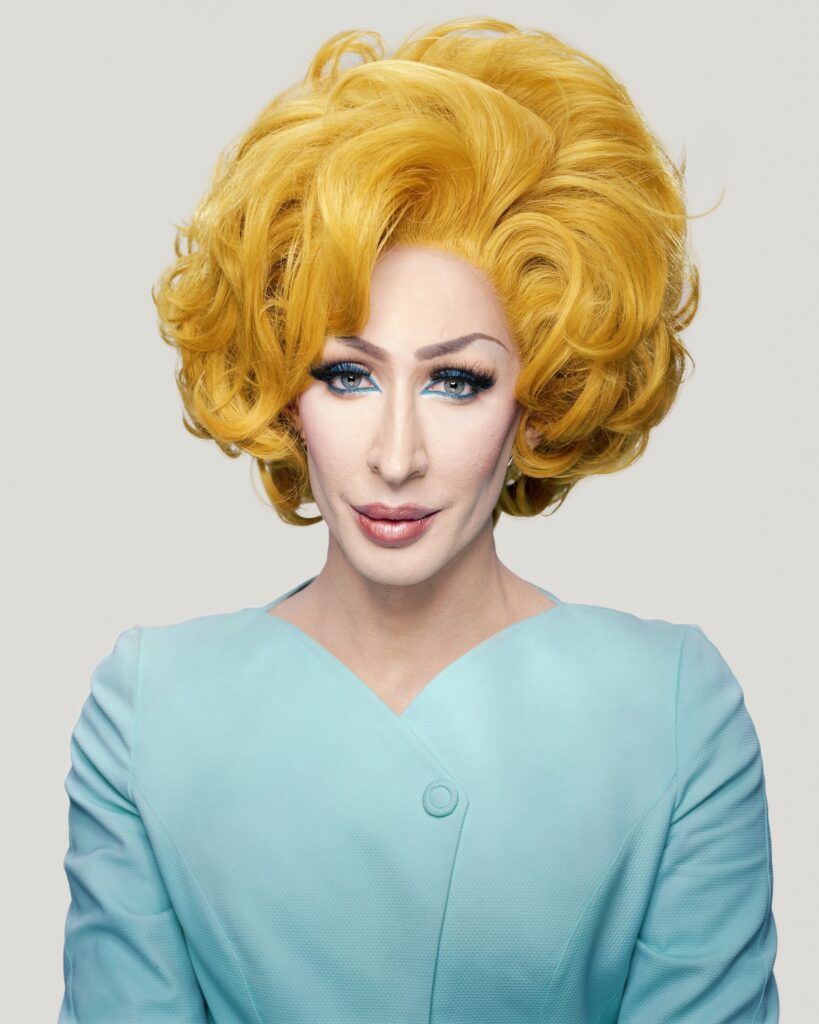
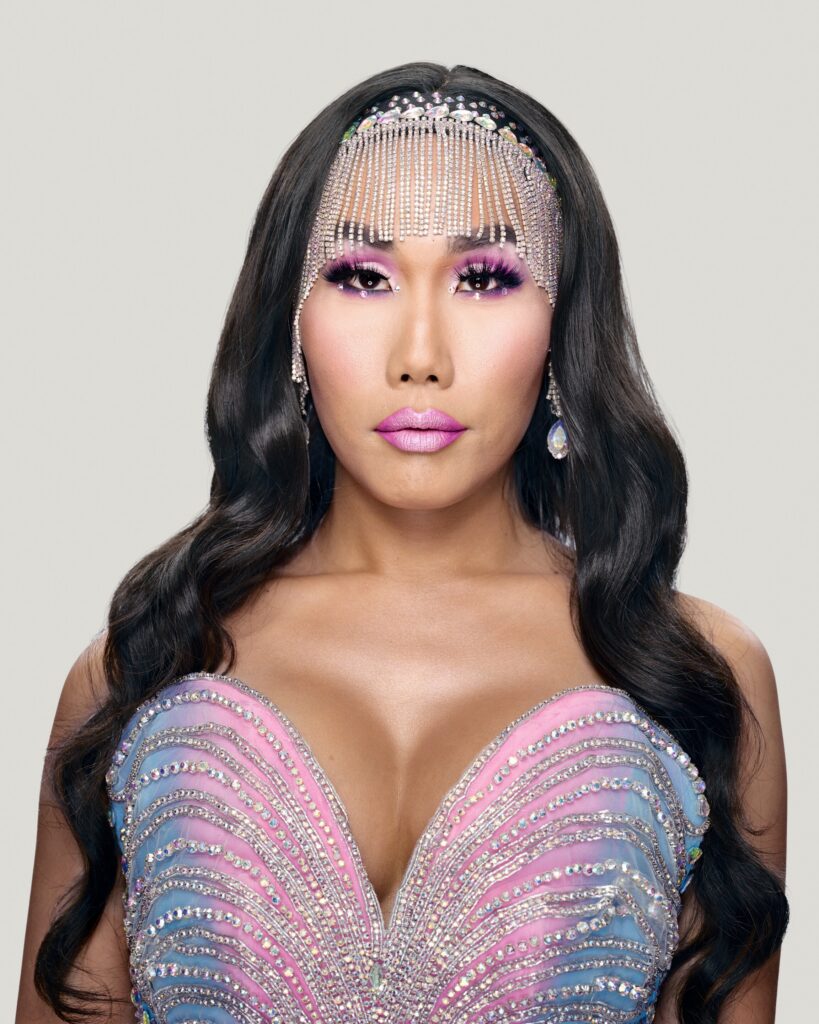
Schoeller’s project expanded when he took some pictures to New York magazine, which brought Schoeller on to do a drag portfolio for them. The 37-image series was part of a package entitled “The Most Powerful Drag Queens in America,” which itself drew a lot of flack for what was perceived as an unnecessary ranking of queens. Schoeller’s interior film portraits of drag artists also faced some controversy. Schoeller is known for images that highlight all of his subjects’ flaws, no matter who they are–everyone from Taylor Swift to Anne Hathaway has sat in front of his lens knowing what could be on the other side. But some queens didn’t like what they saw and made their distaste known.
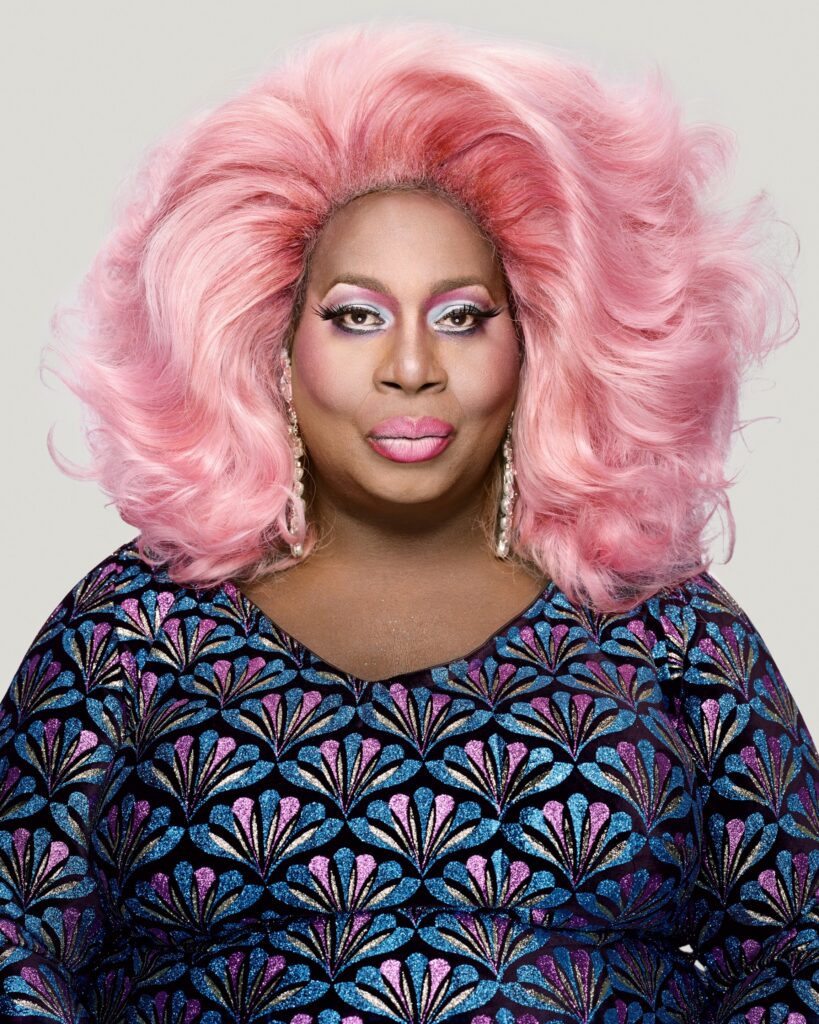
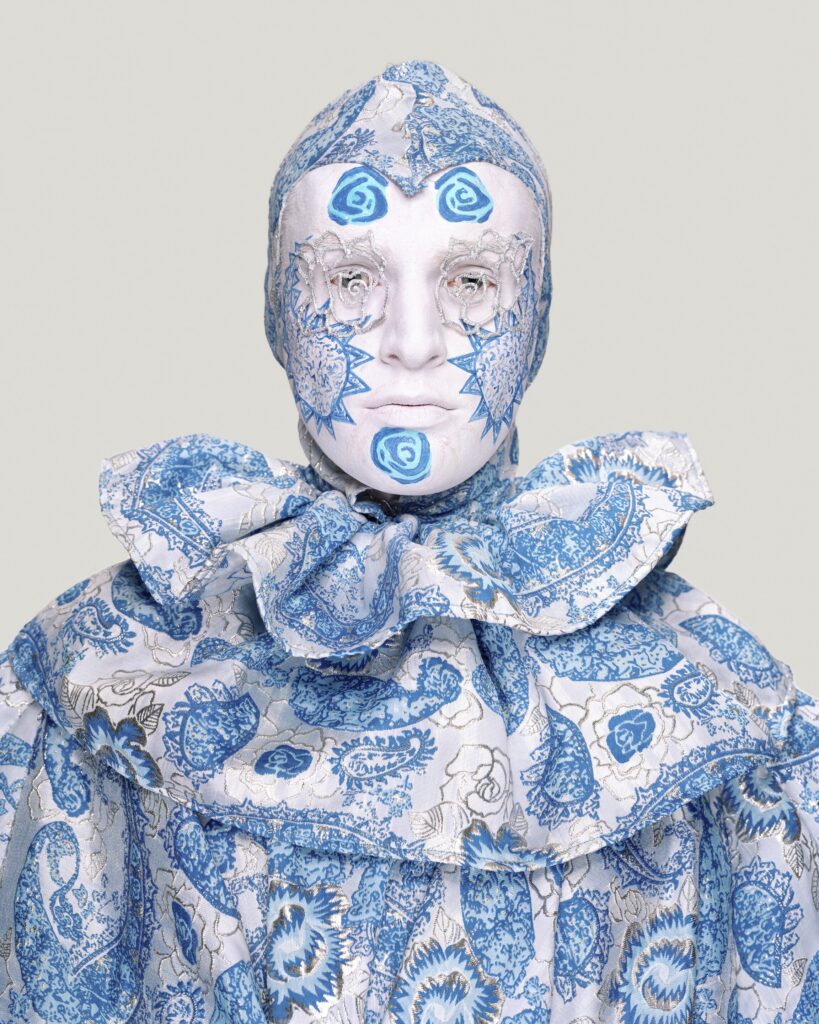
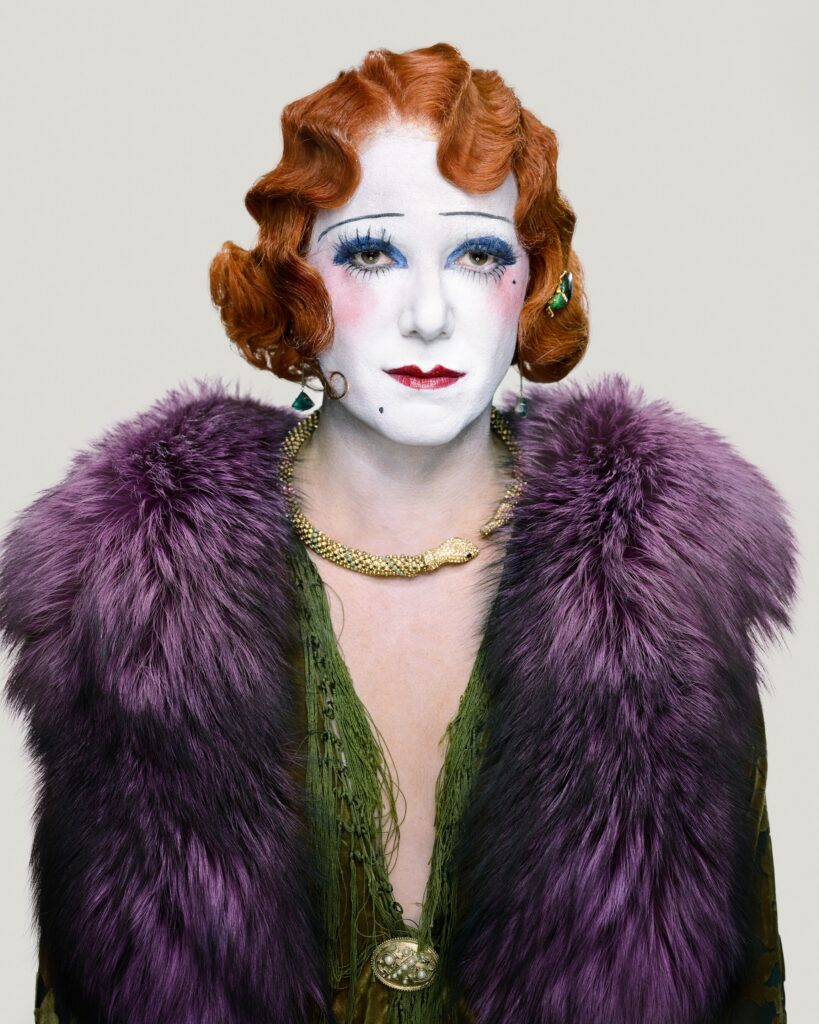
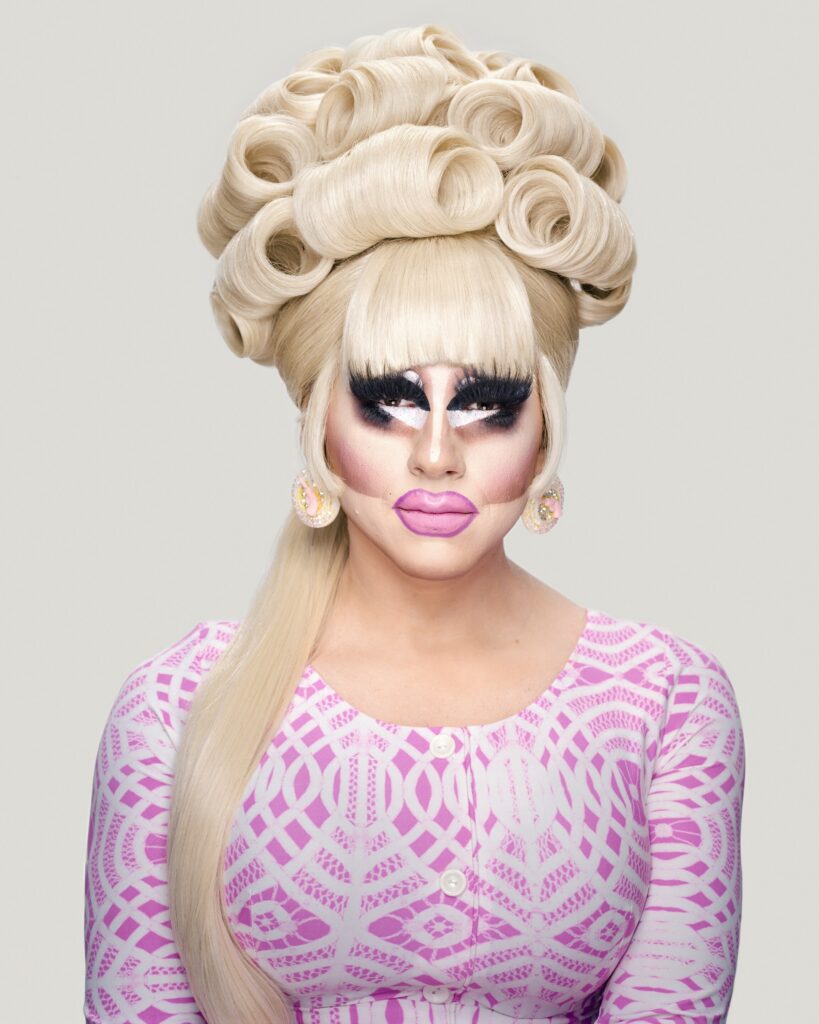
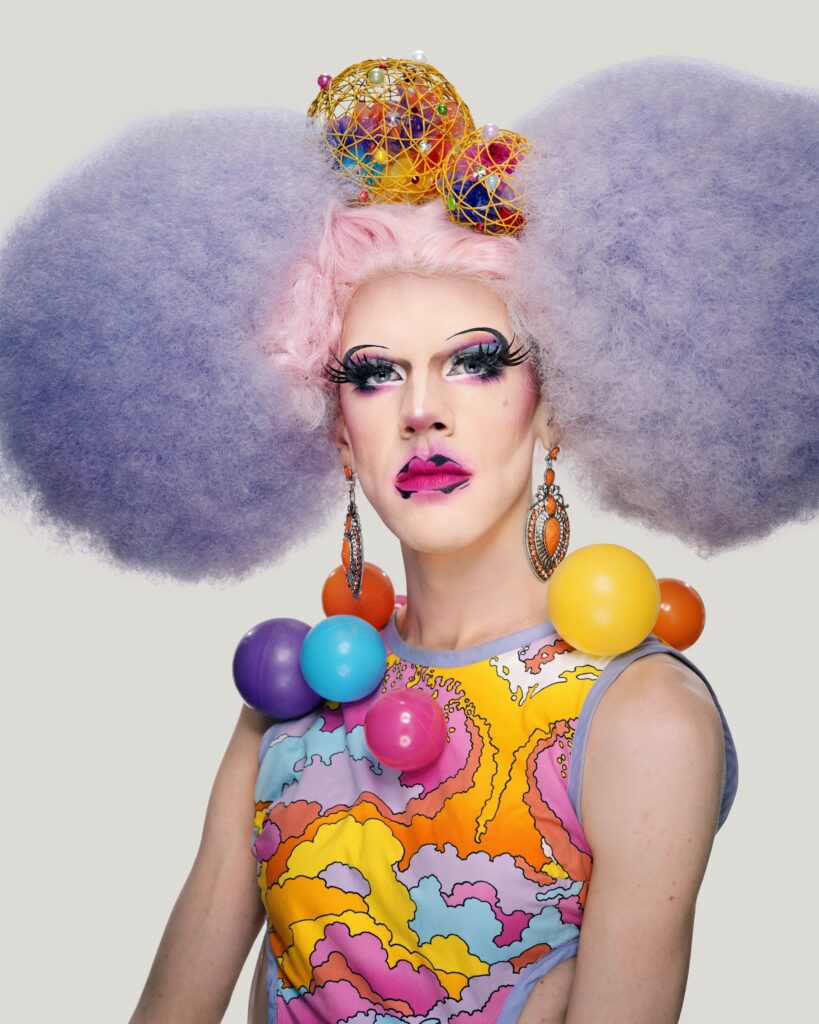
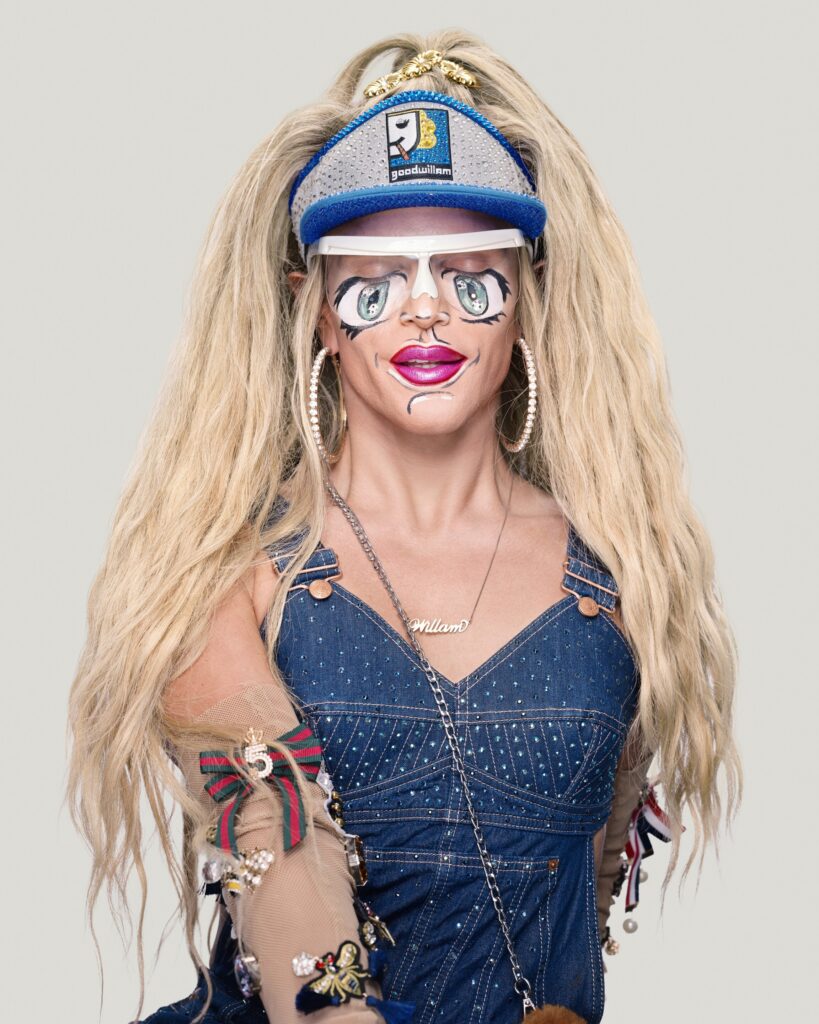
Those images, however, are not in this book. The images present are, like Schoeller’s other portrait series, unretouched and in vibrant color. Some originated from the New York magazine cover shoots. “What makes Martin’s images so refreshing is how they do not shy away from the reality of drag. If every portrait attempts to capture the story, then the story of drag must allude to drag’s imperfection, to its texture in plain light,” Dr. Cheddar Gorgeous writes in the foreword. “The images border that place that wholeheartedly embraces the illusion of beauty we construct and the reality of our faces stripped bare.” The artistry and creativity that make drag so unique and beloved are the focus of each image– the wigs, the sequins, the makeup, the leopard print, the costumes–but so is the face, the person, underneath.
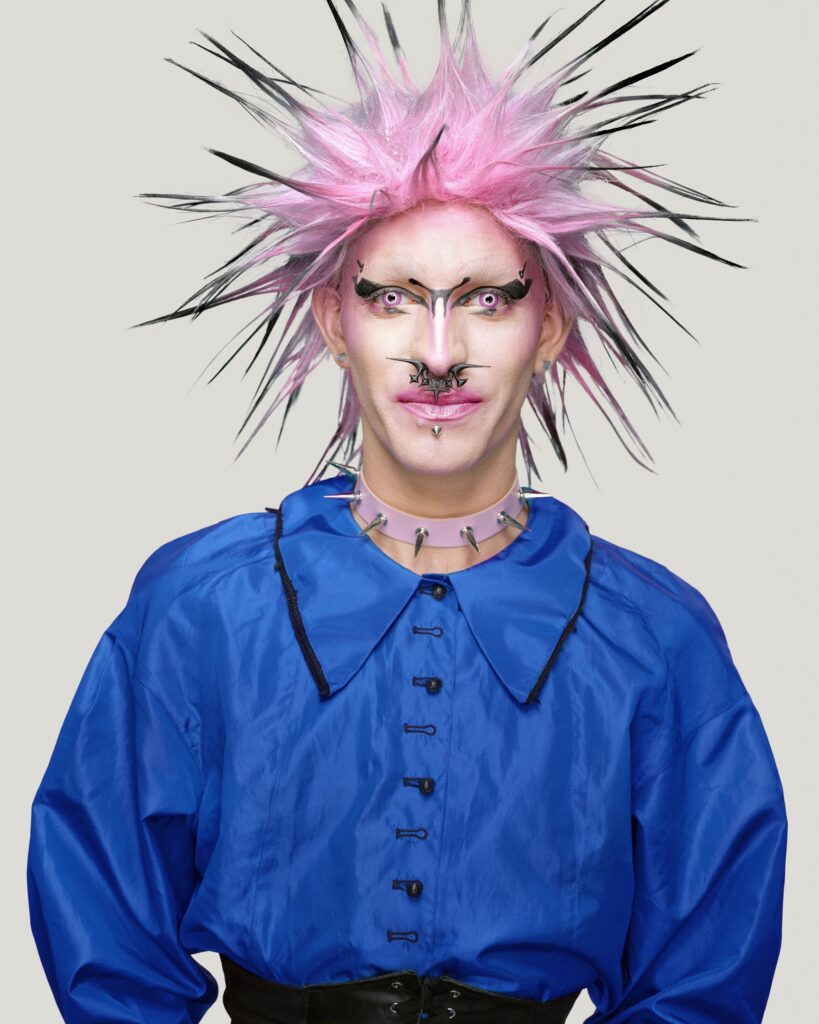
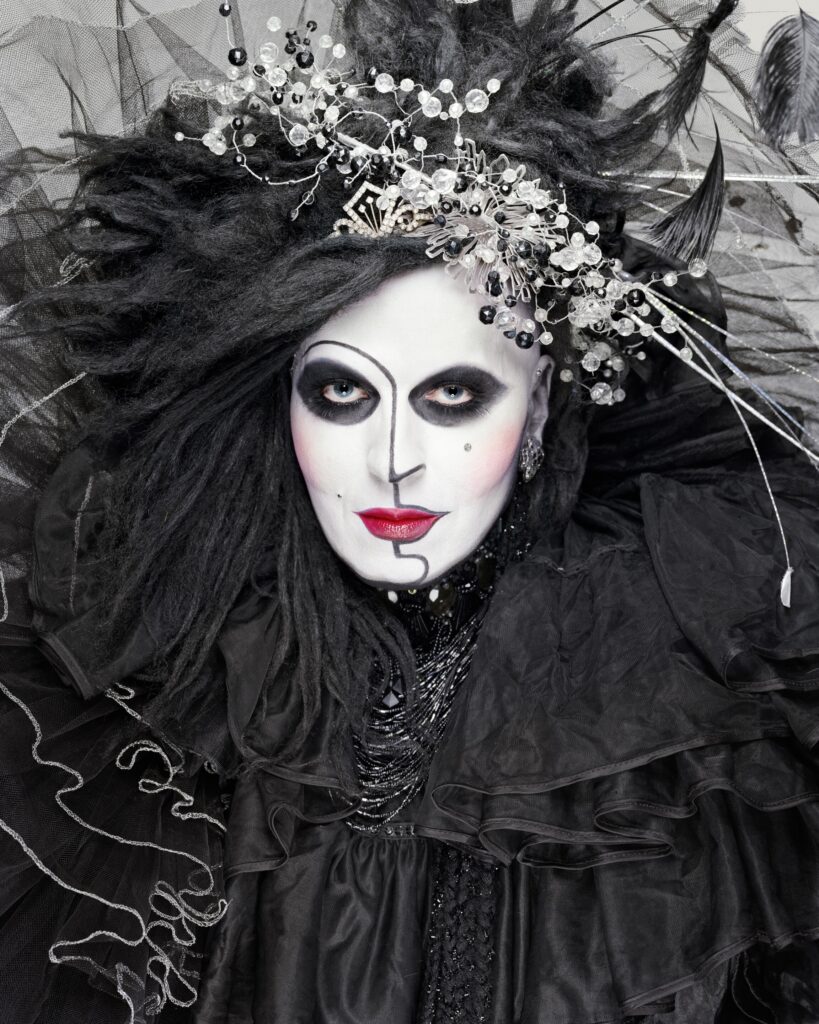
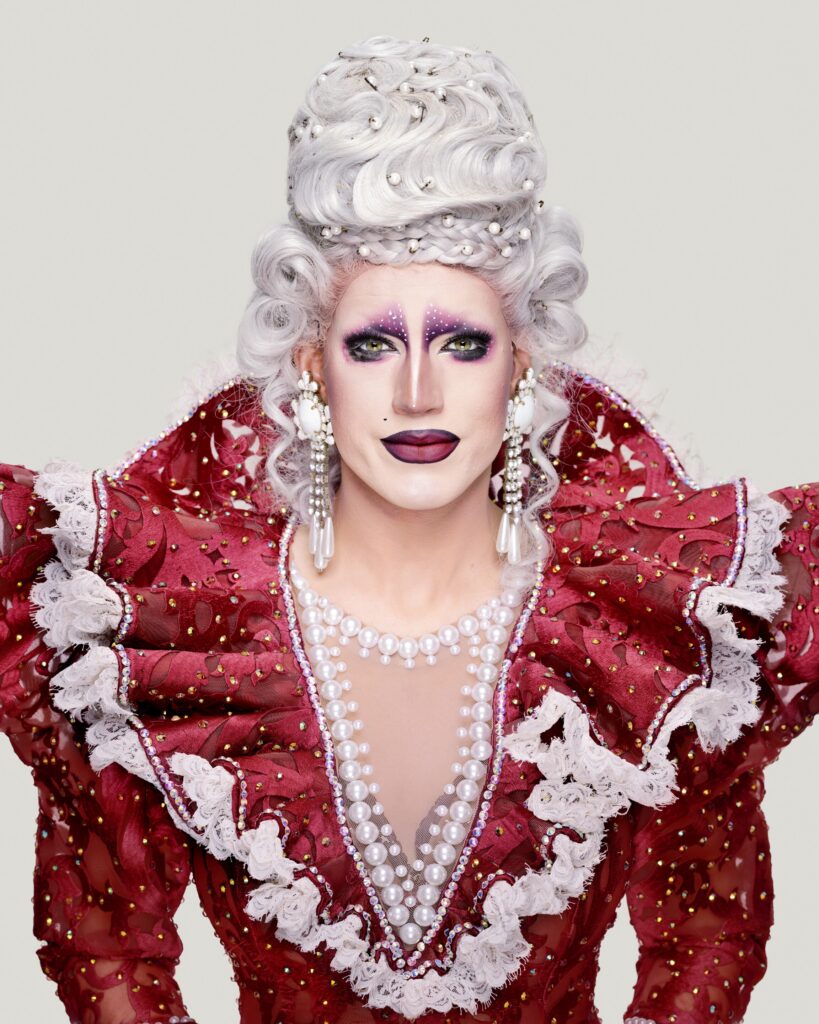
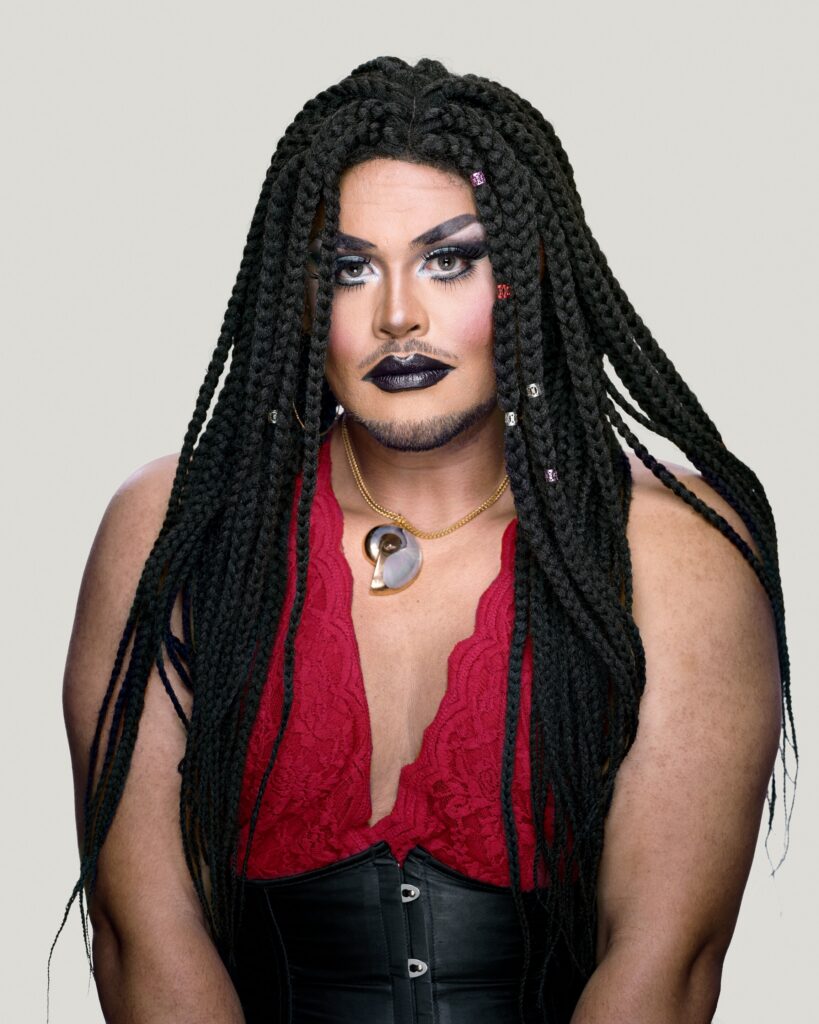
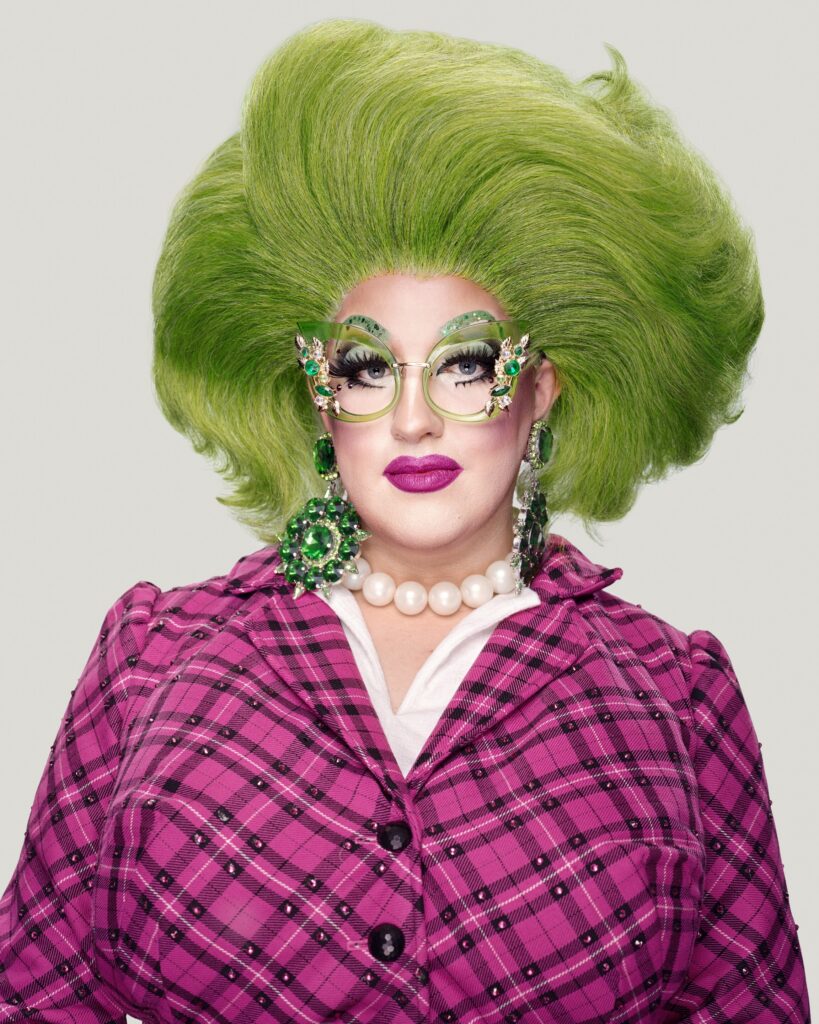
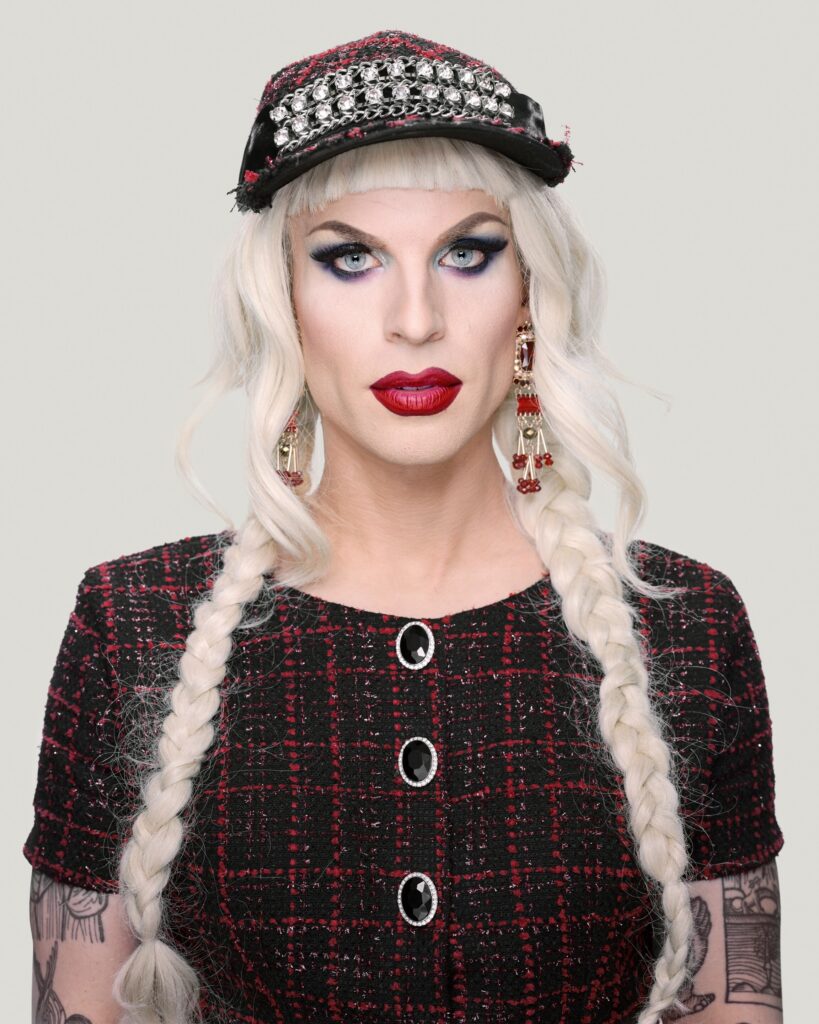
Seeing how drag artists were used to posing, used to moving, Schoeller wanted to see if he could instead distill their essence in a photograph, to have each image be “a study of their physique, of their makeup and their clothes, and not so much about the pose,” he says. The images in the book end up being not just portraits of drag artists, but also a time capsule of what drag looked like at this moment in time. Perhaps drag might look different in 20 or 30 years, he says, but he’s happy to have helped build a record of it. “It’s so easy as a photographer to take a good picture of the drag queen because [each one] is like a beautiful butterfly,” Schoeller says. “I’m still fascinated by the creativity and courage of self.”
Discover More