Barbie & Yoon Ahn Team Up to Create a Humanoid Barbie
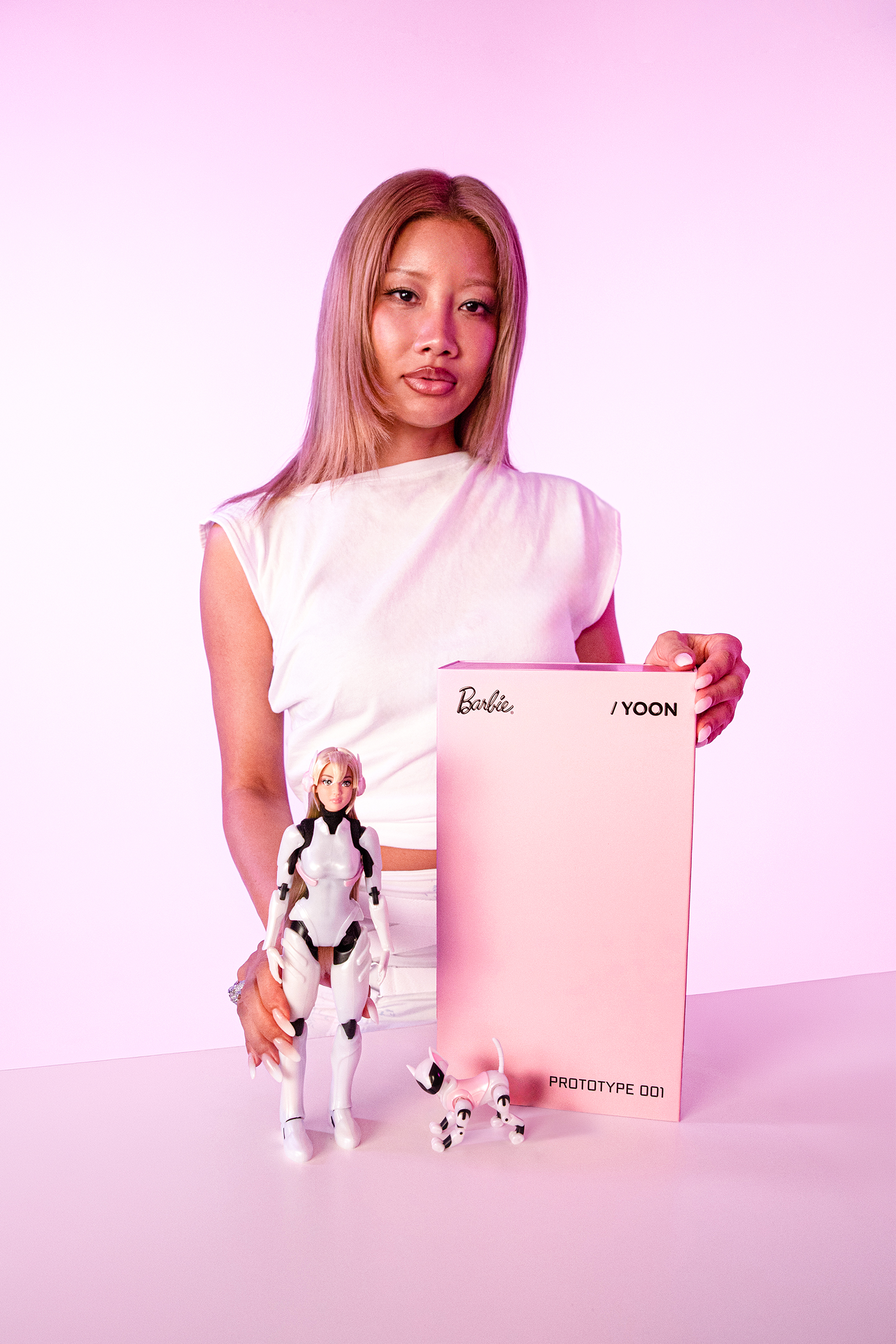
The doll giant and Creative Director of AMBUSH are introducing the doll of tomorrow to represent innovation, technology, creativity, and the hopeful promise of an exciting future
Something we love about Barbie is that there’s one for every occasion: Pilot Barbie, Christmas Barbie, Doctor Barbie, etcetera. Now, thanks to a new collaboration with AMBUSH Creative Director Yoon Ahn, we have Humanoid Barbie. Barbie partnered with the trailblazing businesswoman to create one of its most unique, otherworldly dolls to date. Anime, street culture, robotics, and Tokyo futurism guided Ahn in her design of the doll. With Barbie having first launched in 1959, we have watched her become new over and over again. In the case of Humanoid Barbie, we see the future before we’ve even lived it yet.
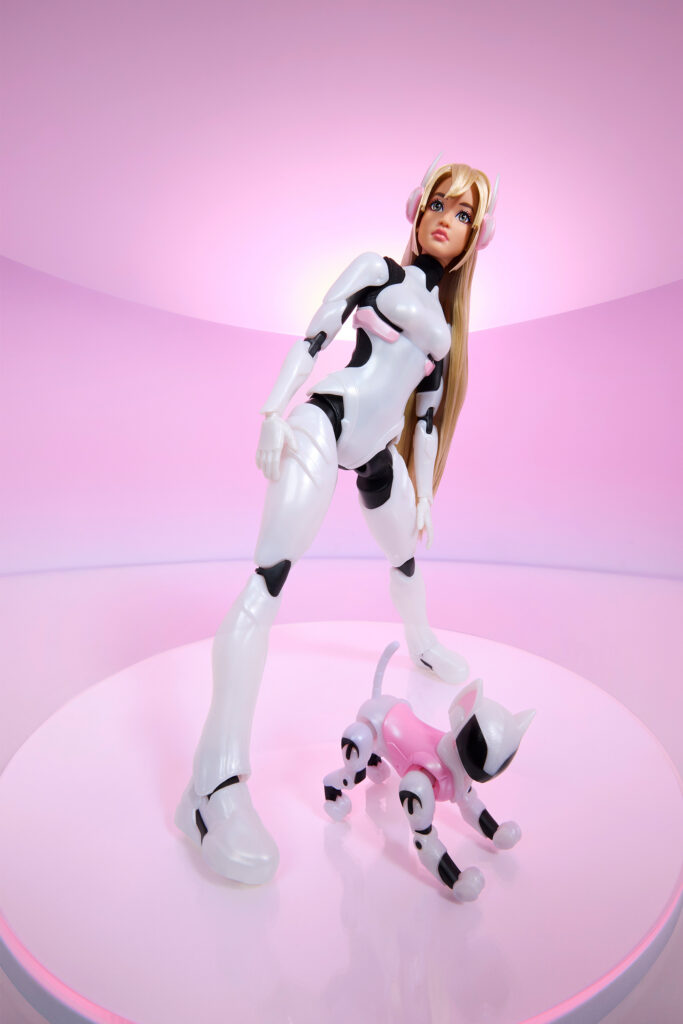
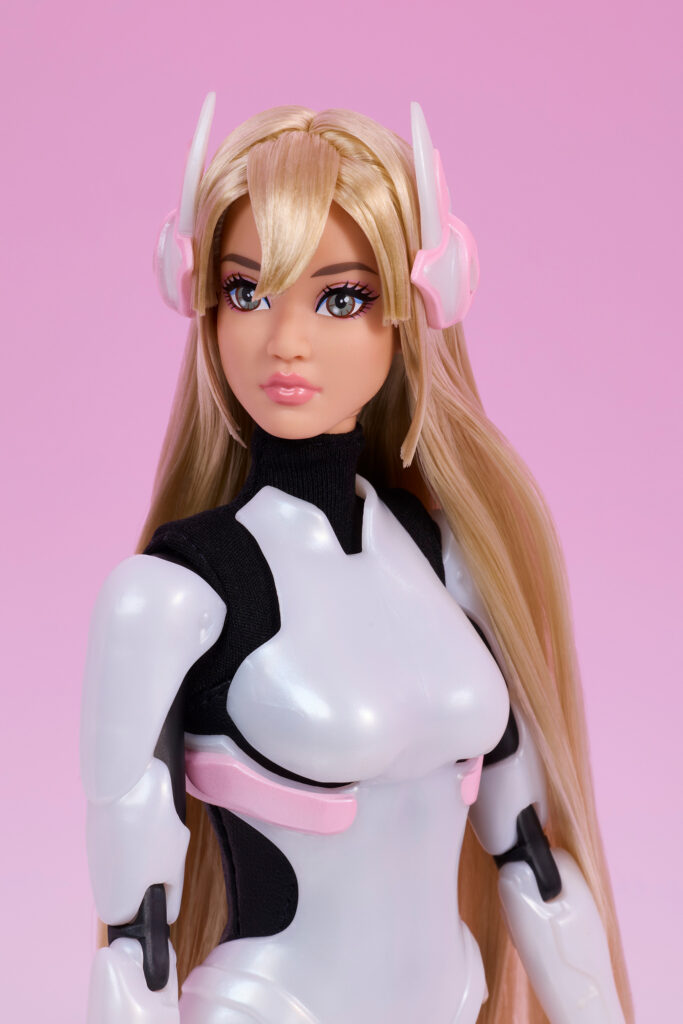
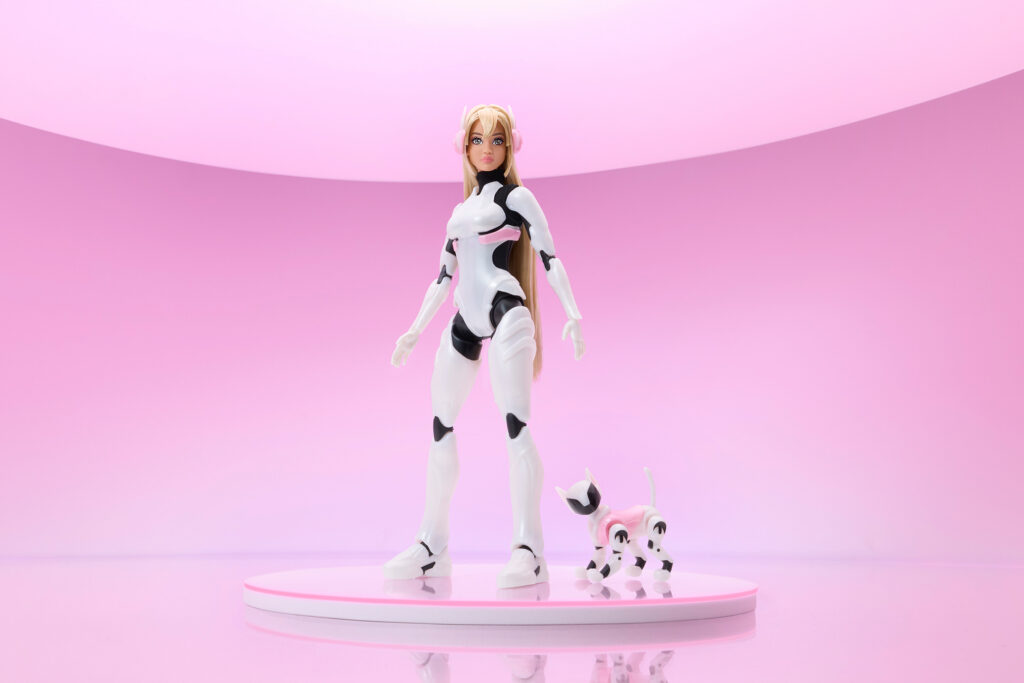
Defined by a robot-esque silhouette, sleek colors, sharp lines and even a little extraterrestrial-inspired furry friend, Humanoid Barbie combines everything we love about fashion, the future, and finding ourselves in dolls, which is especially true for Ahn. She used her own likeness when imagining the doll, making this project immensely personal for her. Barbie has always promised that all women will be seen and represented, and now that means even more for Ahn and us fellow humanoids.
As the Humanoid Barbie makes its debut, Editor of V Magazine Kev Ponce got to pick Ahn’s brain about this project that she holds so dearly. See the full conversation, below:
Kev Ponce: What did you discover about Barbie as a character throughout the creation process of this collaboration?
Yoon Ahn: 3 years ago, I visited Mattel and had the chance to tour the archives. That was when I first really learned about Ruth Handler and why she created Barbie. Growing up, Barbie was simply the blonde doll I played with as a child. I knew the image, but I didn’t know the story behind her. Ruth had watched her daughter Barbara play with paper dolls, using them to imagine herself as a grown woman. At a time when most dolls were babies, Ruth wanted to create something that allowed girls to imagine who they could become. That completely changed the way I saw Barbie. She wasn’t originally about looking perfect. She was about possibility and reflecting the dreams of the time. I was also surprised to learn that Barbie became an astronaut in 1965, four years before humans first walked on the Moon and long before an American woman went to space. She was already imagining a future that hadn’t happened yet. That became the starting point for my own Barbie. I didn’t want to simply design another outfit for her, because so many designers had already done that. I wanted to think about what I could add to her story and how she could reflect the time we are living in now.
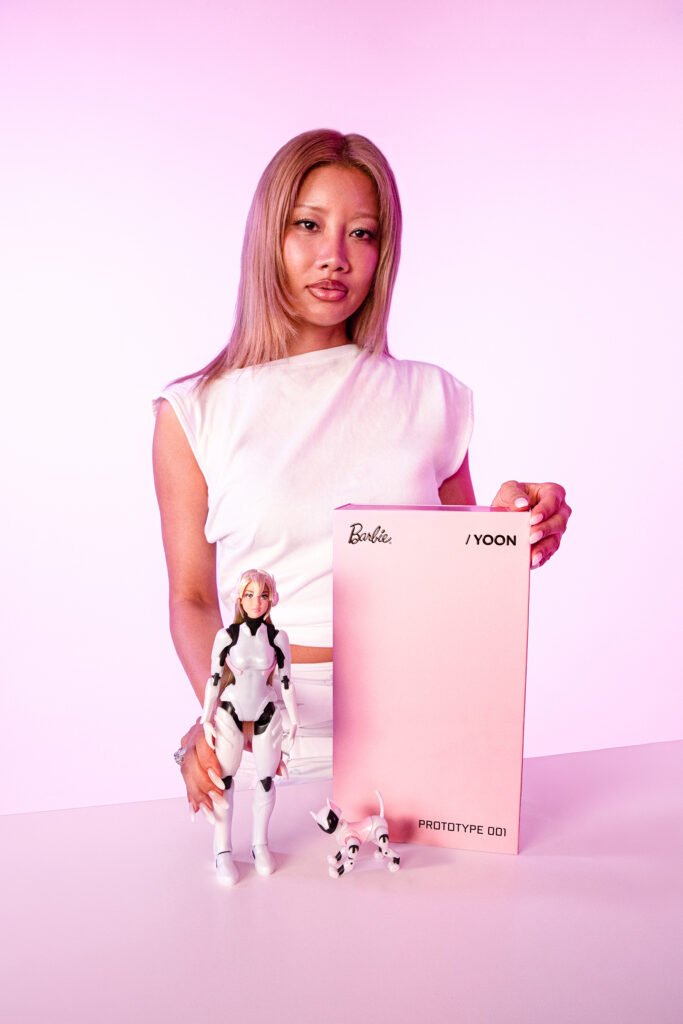
KP: The doll brings together anime, street culture, robotics, Tokyo futurism, and fashion, while still feeling soft, curious, and protective. How did you balance these seemingly opposing qualities when defining Humanoid Barbie’s personality and visual language?
YA: I pulled from all the images and ideas that have stayed in my head over the years: anime, robotics, street culture, fashion, and my own experience of Tokyo. I didn’t overthink how they should fit together. I approached it almost like a kid, instinctively pulling together everything that shaped how I imagined the future. Mariko Mori’s work from the late ’90s and early 2000s was a big inspiration. I’ve always loved how she brought technology, spirituality, and femininity together in a way that felt futuristic yet deeply human. Neon Genesis Evangelion partly inspired the armor. Its characters are flawed and vulnerable, but they put on—or enter —their robotic armor to face whatever battle is in front of them. I relate that to what fashion can do for us. Clothing doesn’t erase our vulnerability, but it can become a kind of armor that helps us step into the world, express who we are, and face whatever the day brings. Humanoid Barbie is built around a tension I keep returning to: what we engineer to be perfect placed beside what nature already got right without trying. Armor and hair. Circuitry and softness. A cyborg cat that is part machine, part familiar. Her armor gives her strength and protection, but beneath it she remains soft, curious, and emotionally open. To me, these qualities aren’t opposites. Strength doesn’t require us to become hard, and the future doesn’t have to mean losing our humanity.
KP: For this special collaboration, Mattel created a Barbie in your own likeness. What was it like to see yourself reflected in an icon that has represented possibility and aspiration for generations—and how did that personal connection change the way you approached the design?
YA: Not to play God, but she is made in my likeness without being completely me. I just went ham imagining: if I were a doll, this is who I’d want to be. Most of the time, when a designer creates a doll, the focus is on the outfit. I wanted to ask a different question. I’ve never been a typical designer anyway. When the world tells me, “This is how it’s done because this is how it has always been done,” my instinct is to go the other way. That’s my job as a designer to show that other things are possible and you can bend things and break the mold. Also, if I were a kid right now, this is what would excite me. Not just another dress, but a whole character with her own identity, armor and possibilities. The process felt less like creating a portrait and more like building an alternate version of myself. I could exaggerate certain parts, imagine new abilities, and create someone who felt stronger, freer, and more futuristic. She exists somewhere between who I am, who I imagined becoming as a child, and who I might be in another future.
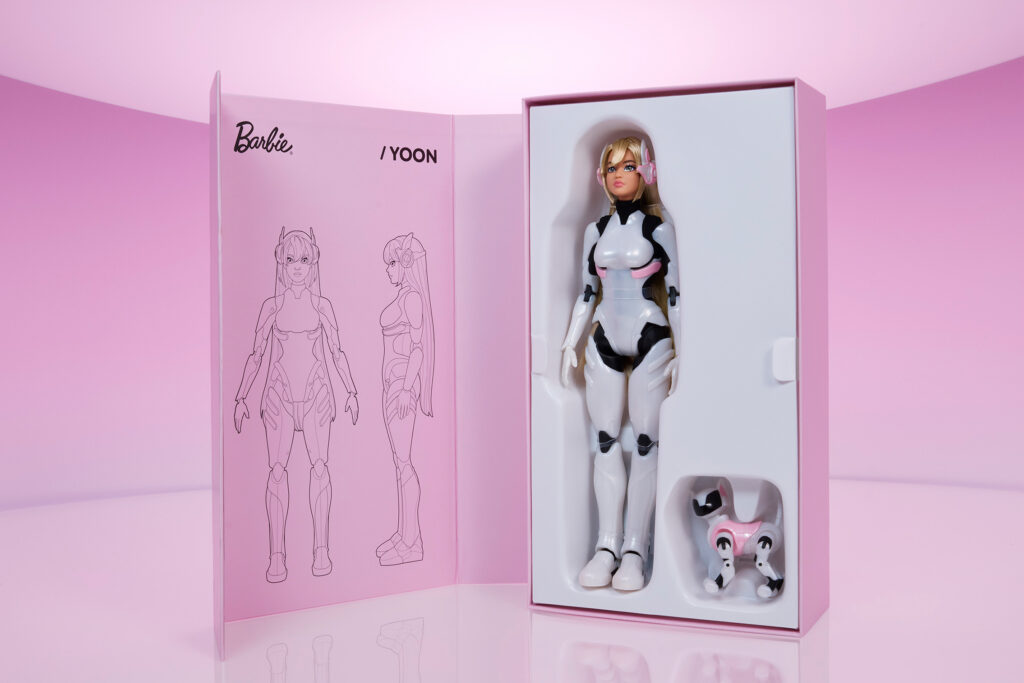
KP: You’ve spent much of your career exploring the intersection of fashion, culture, and technology. What does Barbie allow you to say about the future of design and identity that you might not be able to express through fashion alone?
YA: The fashion industry can move surprisingly slowly. I deeply value human excellence, the craftsmanship, emotion, and beauty of things that only human hands can create. But I also think the industry has been trained by large luxury groups to place too much importance on heritage and constantly looking backward. Heritage matters, but it shouldn’t limit our imagination. We should also be creating the stories that people will call heritage in the future. Bringing fashion and technology together is a challenging road because the technology world’s stripped-back minimalism doesn’t always leave room for beauty, emotion or individuality. And fashion, conversely, can sometimes treat technology as a visual reference without truly engaging with what it can make possible. But I’m hopeful. We’re still early, and only time will reveal where this relationship can go. It will be shaped by creatives building their own lanes, experimenting and showing us different ways forward. For me, fashion has never been the final destination. It’s a platform, a way to communicate ideas about identity, culture and how we might live. I want to share through this collaboration with Barbie to push that thinking beyond clothing and imagine an entire being: her body, technology, personality, companion and world.
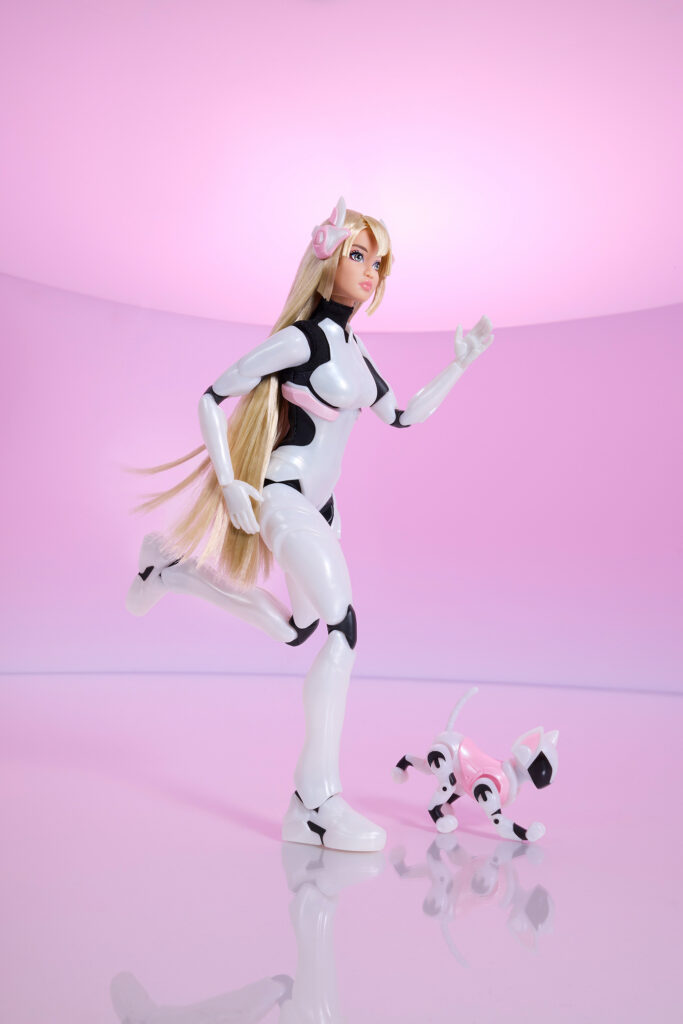
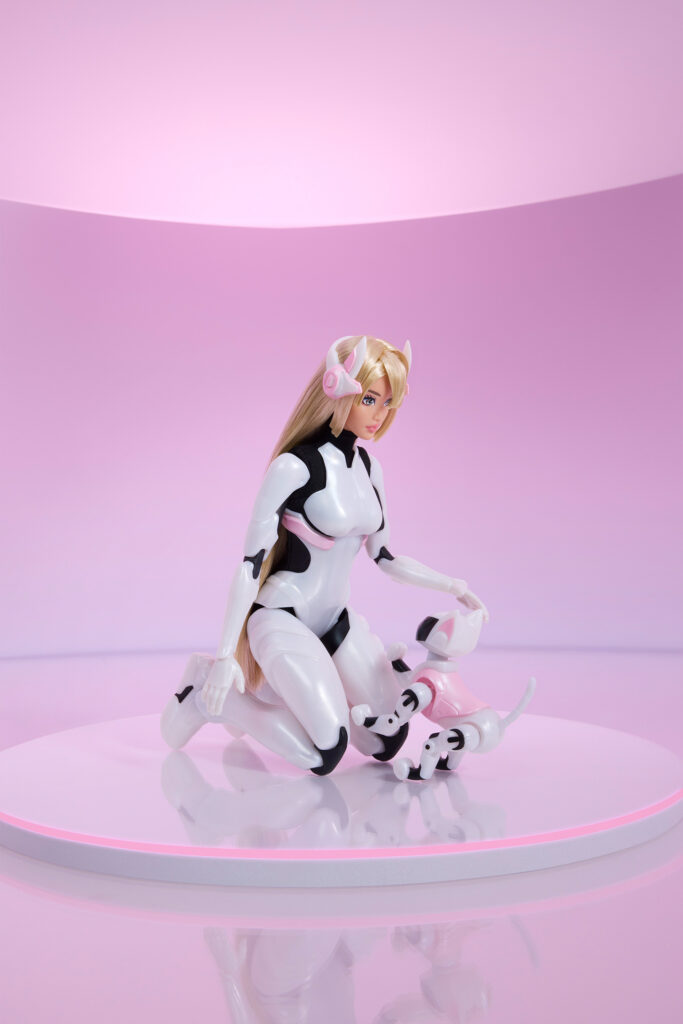
KP: Barbie has always represented the idea that you can become anything. As you look toward a future shaped by robotics and ever-evolving technology, what do you hope Humanoid Barbie can tell a new generation about who they can become?
YA: When this collaboration first came up 3 years ago, I already felt that robotics and AI would become a major part of human evolution. Nature is always evolving, and technology is ultimately a reflection of us, our curiosity, imagination, and desire to evolve as a species. Humanoid Barbie isn’t about technology replacing what makes us human. She represents the possibility of growing alongside it while holding on to our individuality, emotions and connection to nature. I hope she encourages a new generation to stay curious and to take an active role in shaping what comes next. The future isn’t something that simply happens to us. We all have the ability to imagine it, question it and create our own place within it. You can become anything and you can also help decide what that future looks like.
The Barbie X Yoon Ahn Humanoid Barbie is available for $110 now at creations.mattel.com.
Discover More