IWC Schaffhausen Takes Us to the Edge of the World
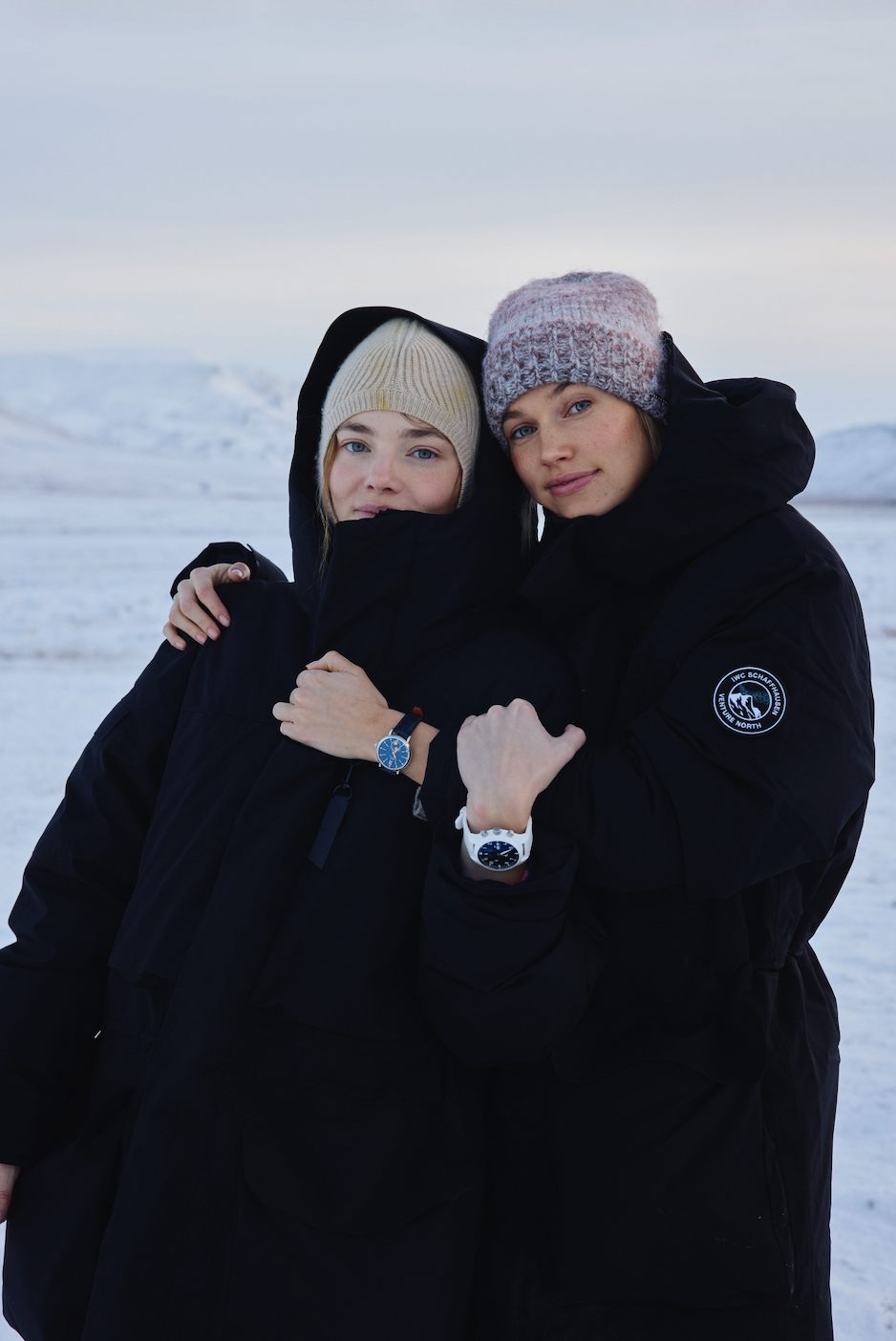
The Swiss watchmaker gathered a small group in Svalbard and found something unexpectedly human there
Like most Americans, I first read Le Petit Prince while studying French. Which also means, like most Americans, I didn’t really understand half of it. But Antoine de Saint-Exupéry’s book went even beyond the language to create a fantastical, surreal vibe that so adeptly tapped into the imagination of our younger selves, filled with boyhood innocence, a pilot stranded in the desert, a small traveler who keeps asking questions even if the adults around him have stopped. I hadn’t thought about it in years. Then IWC Schaffhausen invited me to Svalbard.
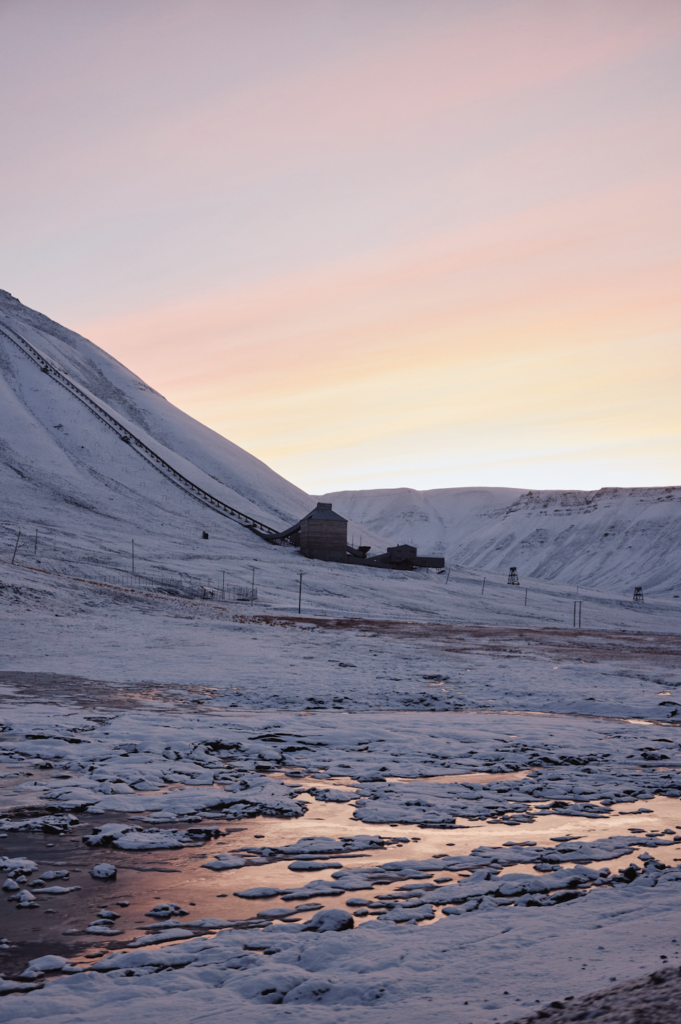
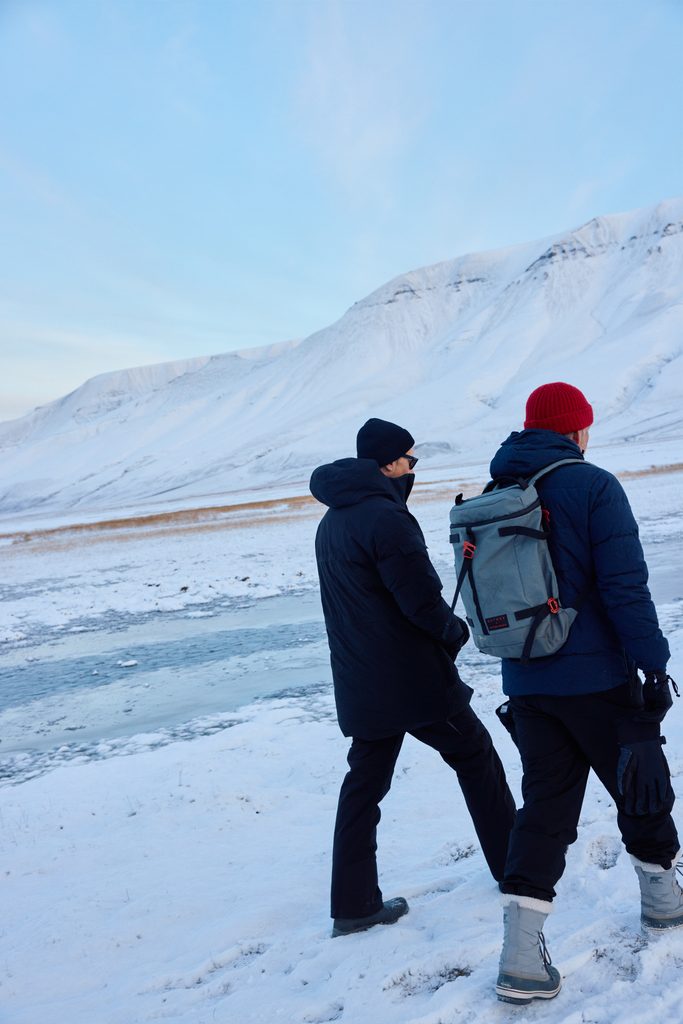
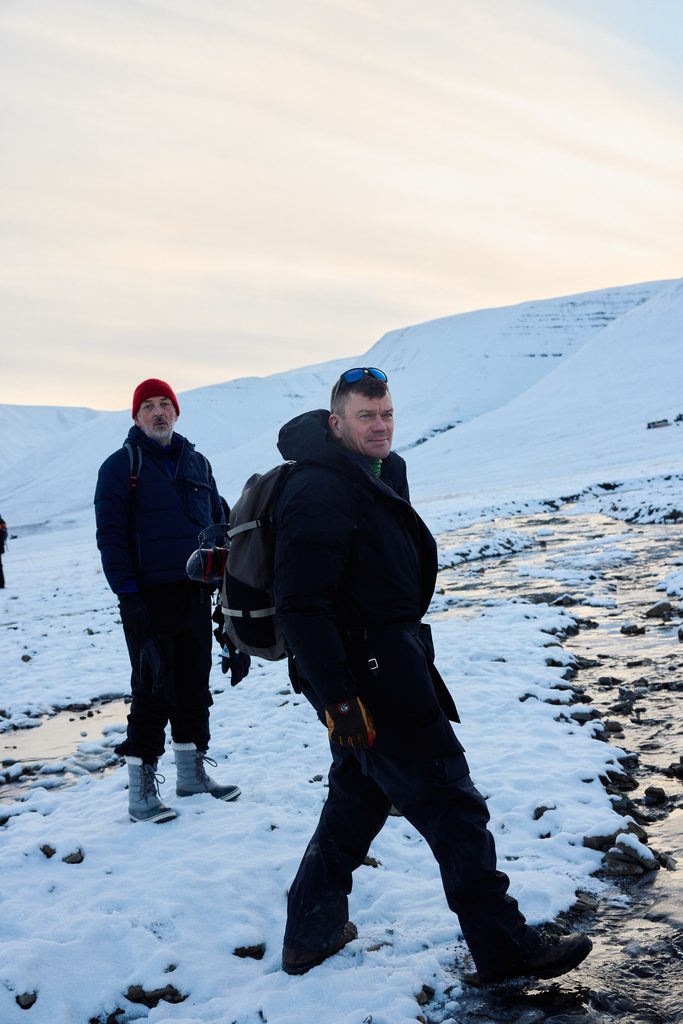
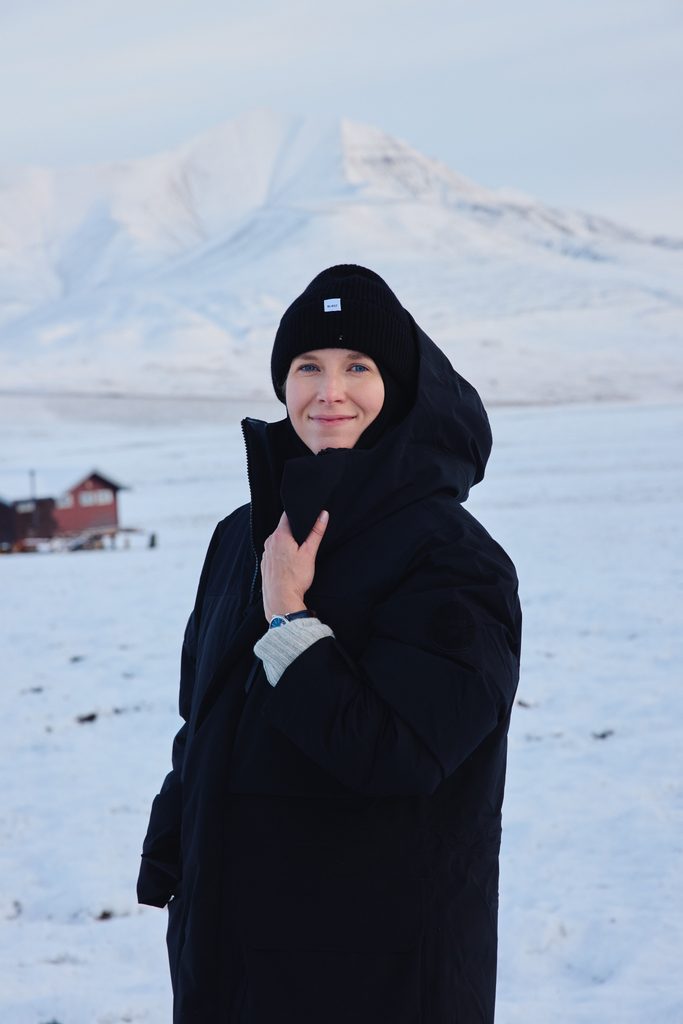
Svalbard, a Norwegian archipelago tucked between the mainland and the North Pole, is the northernmost inhabited place on Earth, which is insane. IWC brought a small group there this October for Venture North, a few days built around the brand’s aviation heritage, its affinity for Le Petit Prince, and its self-styled identity as the engineers of fine watchmaking. The brand describes the place as the closest thing to space you can find without leaving the planet, and they’re right. The mountains are bare, enormous, and treeless, and the quiet is the kind you can almost hear. You feel removed from everyone and everything in the rest of the world, standing, quite literally, at the edge of humanity.
It also turns you into a child, not unlike Le Petit Prince himself. Within a day, I was asking the same questions over and over: What do people eat up here? What do they do in the summer months, when the sun never sets? And what about winter, when it never rises?
The answer, more often than not, was each other. Svalbard’s community is far tighter than you’d expect, and when the polar night arrives, locals fill the calendar with clubs: knitting circles, sports teams, standing plans whose real purpose is to keep everyone on a regular schedule once the sky stops providing one. Tuesday is knitting, Thursday is the game, and generally, the week holds its shape because the town agrees it should.
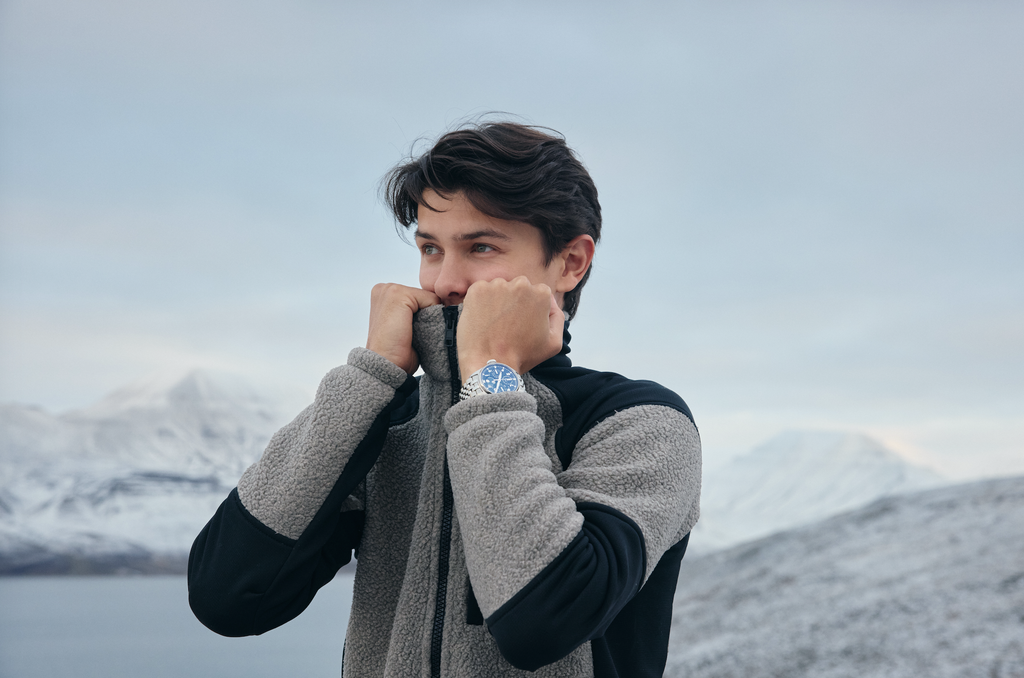
It’s hard to imagine a better setting for a watch company. A watch, after all, is that same agreement made mechanical: a promise that the hours will keep arriving in order, whatever the sun is doing.
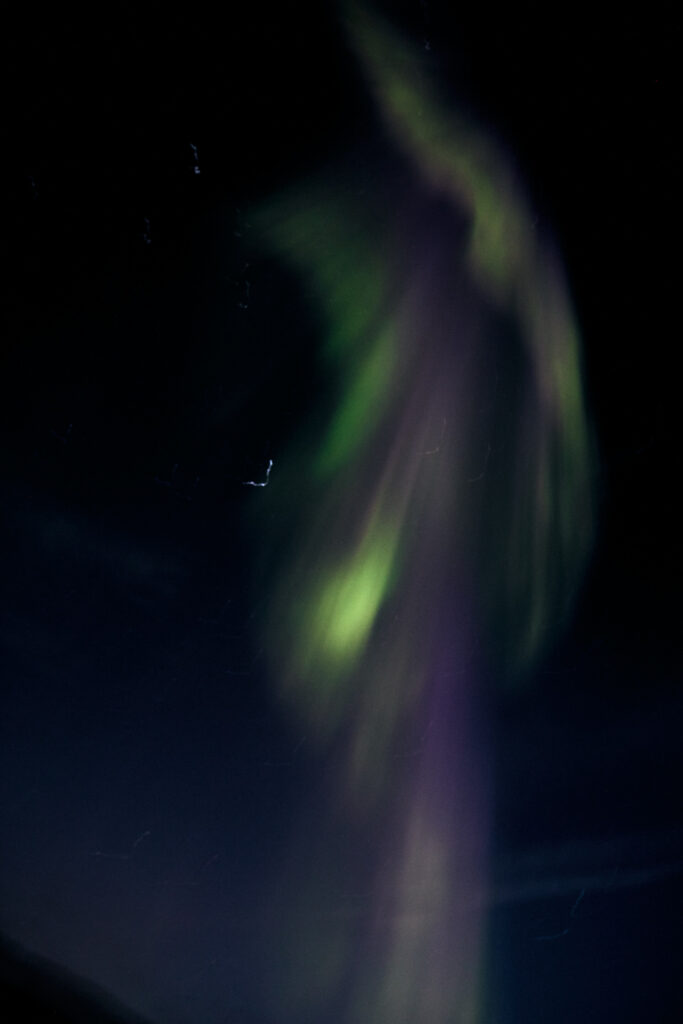
The trip opened at Camp IWC, beneath an Arctic sky that sits under a funnel in the Earth’s magnetic field, which makes Svalbard one of the best places on the planet to see the northern lights (which we did). Between talks on the aurora and the future of space travel, a natural tangent for a brand born in aviation, the conversation turned to the Pilot’s Watch Venturer Vertical Drive, which IWC developed with space company Vast as its first tool watch engineered and certified for human spaceflight.
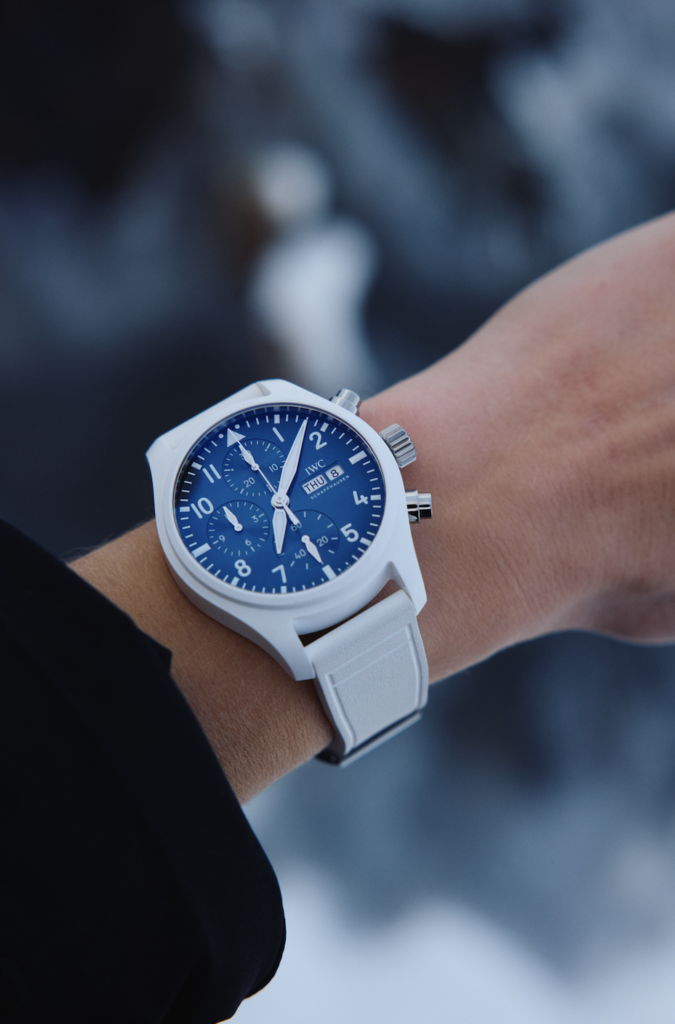
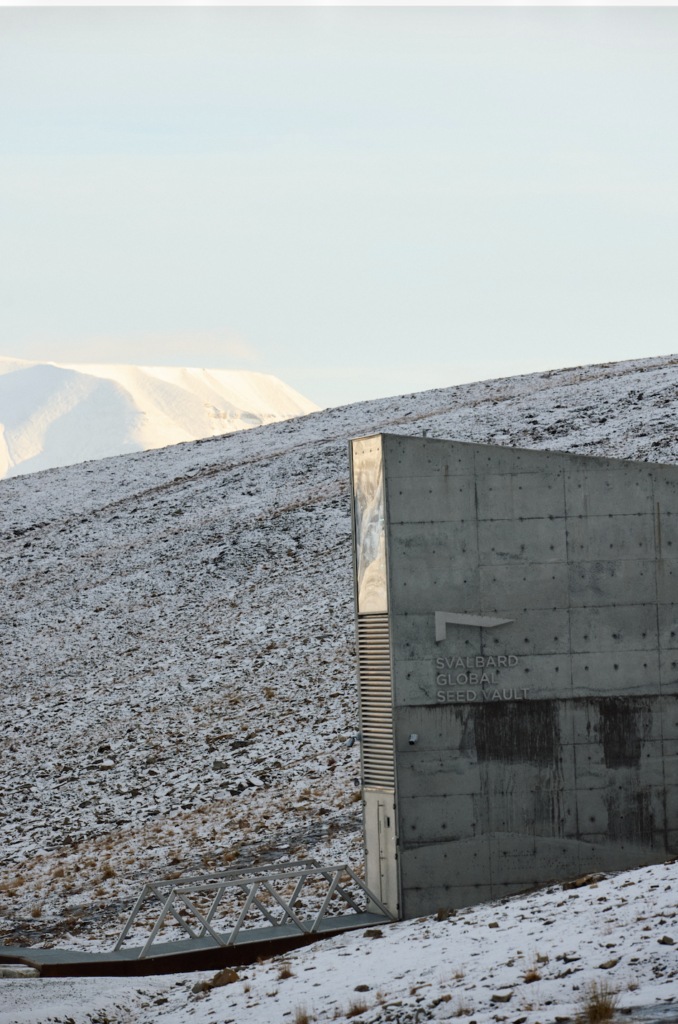
Then came the Svalbard Global Seed Vault, which looks lifted straight out of a James Bond film: a sharp concrete entrance jutting from the mountainside, guarding seeds from around the world in case the rest of the planet ever needs a backup. Everything about Svalbard deals in extremes, and the Vault is the most extreme idea of all, a savior kept on standby for an emergency no one wants to arrive. IWC paired the visit with its perpetual calendars, complications that track uneven months and leap years and are built to keep running correctly for generations. Seen alongside the Big Pilot’s Watch Perpetual Calendar ProSet Le Petit Prince, the connection was less like a stretch than a shared instinct: protect what matters now so it still makes sense later.
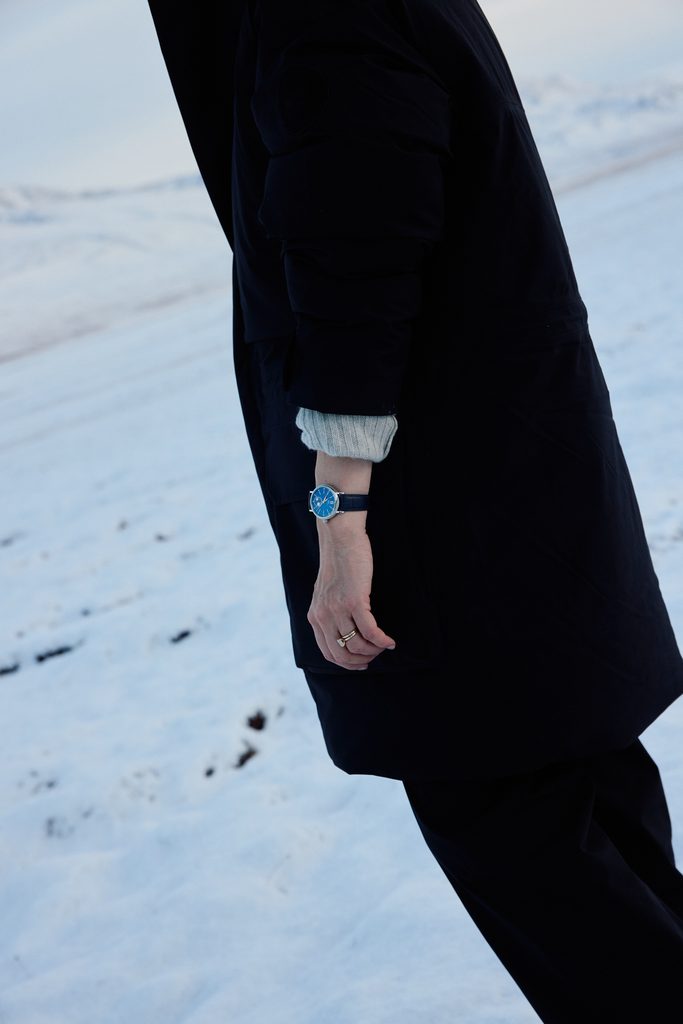
The finale was dinner at Huset, the world’s northernmost fine-dining restaurant, recently reimagined by Norwegian architecture studio Snøhetta. The menu wove in nods to Le Petit Prince, and the meal was a highlight of the trip, which is saying something given the scenery. Over the evening, IWC presented its timepieces with almost scientific care. The star was the Portugieser Perpetual Calendar Tourbillon, rendered in a rare, striking purple that IWC likens to the equally rare purple that can wash over Svalbard’s night sky. Alongside it, the Big Pilot’s Watch Perpetual Calendar Ceralume, with its glowing luminous ceramic case, made a convincing argument for northern lights you can wear.

By the time I flew home, the trip had settled into one idea: Venture North brought a sense of humanity to something deeply technical. That holds for the watches, where centuries of engineering ultimately serve a simple human need to know where we are in time. It holds for Svalbard too, where the hard logistics of living so far north are softened by a lovely, stubborn community that refuses to let the dark run the calendar.
The Little Prince traveled from planet to planet looking for what mattered, and kept arriving at the same answer: the bonds between us. I went somewhere that felt like another planet and came back with the same conclusion. Even at the edge of the world, the most remarkable thing up there is still the people—and the time they spend together.

Discover More