NMF: All Pop Considered
New Music Friday with pop releases from Madonna, Lana Del Rey, and more
To understand how pop music works today, one has to go back to a specific moment in America’s cultural history. To a time when Reagan was giving speeches about family values, promoting conservatism, while obituary pages were filled with men in their twenties. And in hospital wards across New York and San Francisco, a generation of the greats was disappearing, and the president had not yet said the four-letter word AIDS aloud.
On America’s favorite pastime, the television, women sang ear to ear. Coquettish and carefully lit, they were, as they moved through their videos, grateful for the camera’s attention. They sold records patriarchally, pleasantly, without friction, leaving no thumbprints, no traces of the self.
It wasn’t until August 1984 at the first MTV Video Music Awards. When a bride emerged atop a giant cake at Radio City Music Hall. Platformed upon a pastry, her veil frosting each layer, with her “Boy Toy” belt buckle catching the light. Conservatives shied away, while teen girls and concubines copied her look. Her name was Madonna.
She had arrived in New York in 1978 with thirty-five dollars and a dance bag, spending the years that followed moving through the city’s night. It was at the drag bars of the West Village where she watched men in sequins teach a room how a body and presentation could be an argument of controversy. In a country held tight by conservative anxiety, imagery was the cheapest and most effective amplifier money couldn’t buy.
Music truly only has two eras. Before Madonna (BM) and after Madonna (AM). Every pop rollout you have witnessed traces back to those years when a woman in a wedding dress, singing on a cake, decided that the most dangerous thing one could do was refuse to be safe.
Adéla – “KGB”
At eight years old, a criss-crossed Adéla Jergová sat in front of television screens in her Bratislava home and learned English by ear, with Hannah Montana teaching her grammar while Britney Spears taught her rhetoric.
Only 10 years later, she was Los Angeles-bound and a contestant on Dream Academy, the Hybe and Geffen reality competition that would eventually birth the girl group Katseye. But she, one who doesn’t work well in groups, was publicly eliminated after the opening round, despite her classical ballet training and pop-ready voice, by public vote.
“KGB” is her first single of 2026, referring to the Soviet secret police, surveillance, being watched, and controlled, fitting neatly into the social paranoia themes she’s been mining since her debut EP, The Provocateur. Production credits go to the triumvirate consisting of Blake Slatkin, Dylan Brady of 100 gecs, and The Dare. The track merges Slavic industrialism, pop seduction, with dancefloor fervor, the seemingly overall palette of her debut album, and arrives at a moment when ADÉLA is stadium set, opening for pop alumna Demi Lovato.
Tyla & Zara Larsson “SHE did it again”
Tyla and Zara are a specific kind of pop duo that does not need to outwardly try to impress you; rather they simply set up shelter in the crevices of your mind.
“She Did It Again” is the cover star collab V have been hungry for. The percussion arrives first, loose and rolling, creating a gravitational pull. Tyla’s low and sultry voice sits comfortably inside the beat that enables confidence.
Zara Larsson, Swiss Beyoncé, her voice wider and more declarative, broadens the musical conversation into a genuine competition in the warmest possible sense. The contrast between the two of them is perfectly calibrated into a low-groove song of the summer.
Lana Del rey “First Light”
In 2015, lifelong Bond girl Lana Del Rey recorded a theme that (in true Lizzy Grant fashion) the producers scratched.
So it is with satisfaction that “First Light” arrives now, the theme to the 007 video game set to release May 27th, 2026, of the same name. Co-written by five-time Bond composer David Arnold, and in true Bond fashion, the sound is orchestral, gathering around Lana, with horns and strings rising from each end until it reaches cinematic enormity, with Del Rey remaining narratively melancholic amid the gathering sound, carrying lyrics of espionage and gameness.
OLIvia Rodrigo “Drop Dead”
Guitars have gone missing, and in their place, something more fluttery takes hold: percussive synths like those of The Cure. But this new and slightly unnerving sound comes from Olivia falling more in love and, in turn, maturing her tastes.
The seemingly left-field musical choice modernizes Olivia without fully committing to the club music epidemic that has infected pop music, keeping her true to her cause: a girl who one night got bored in bed and stalked someone on the internet. The lead single from her third album You Seem Pretty Sad for a Girl So in Love marks a revelation: that perhaps she is meant for love.
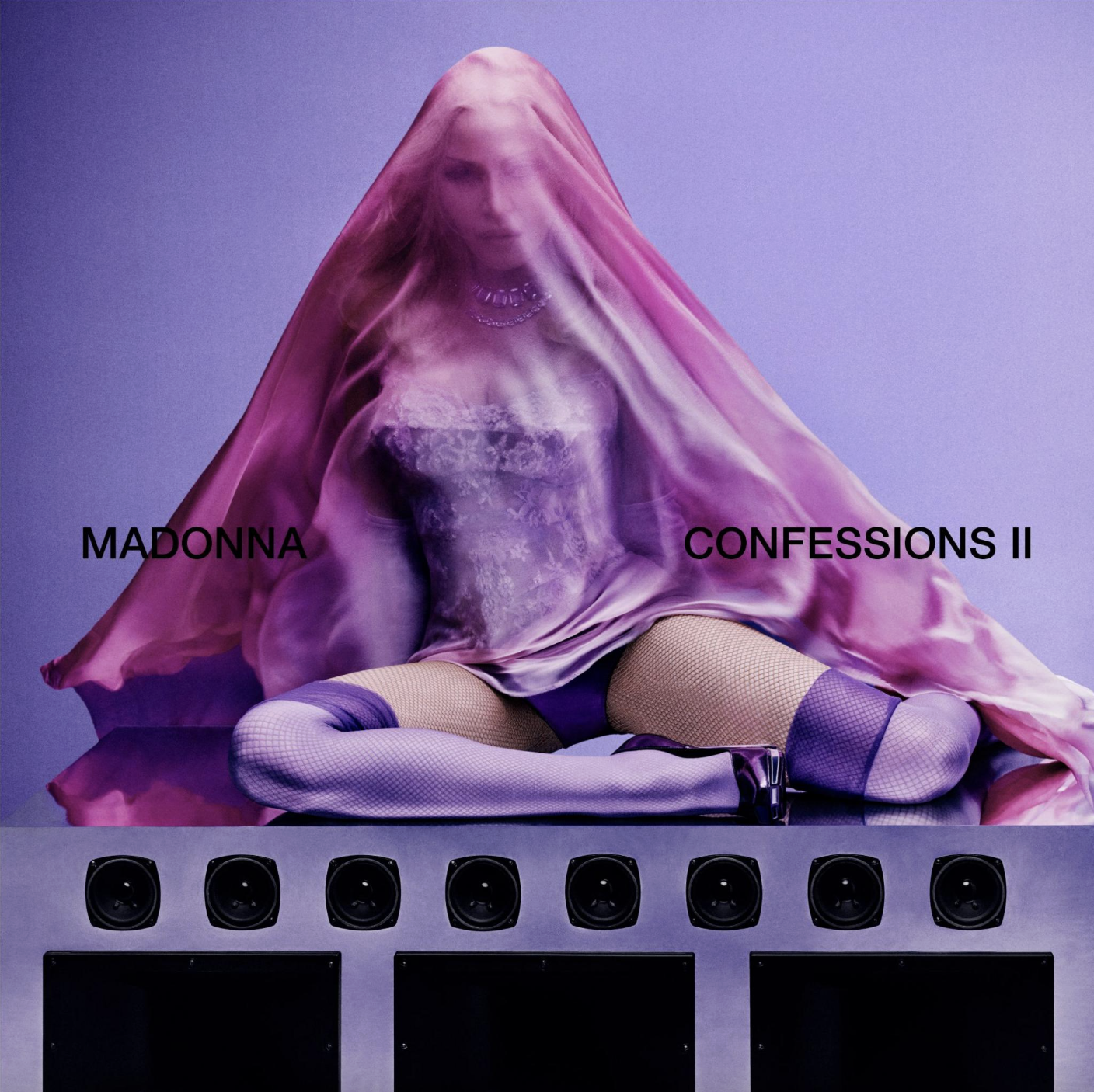
MADONNA Confessions on a Dance Floor ii
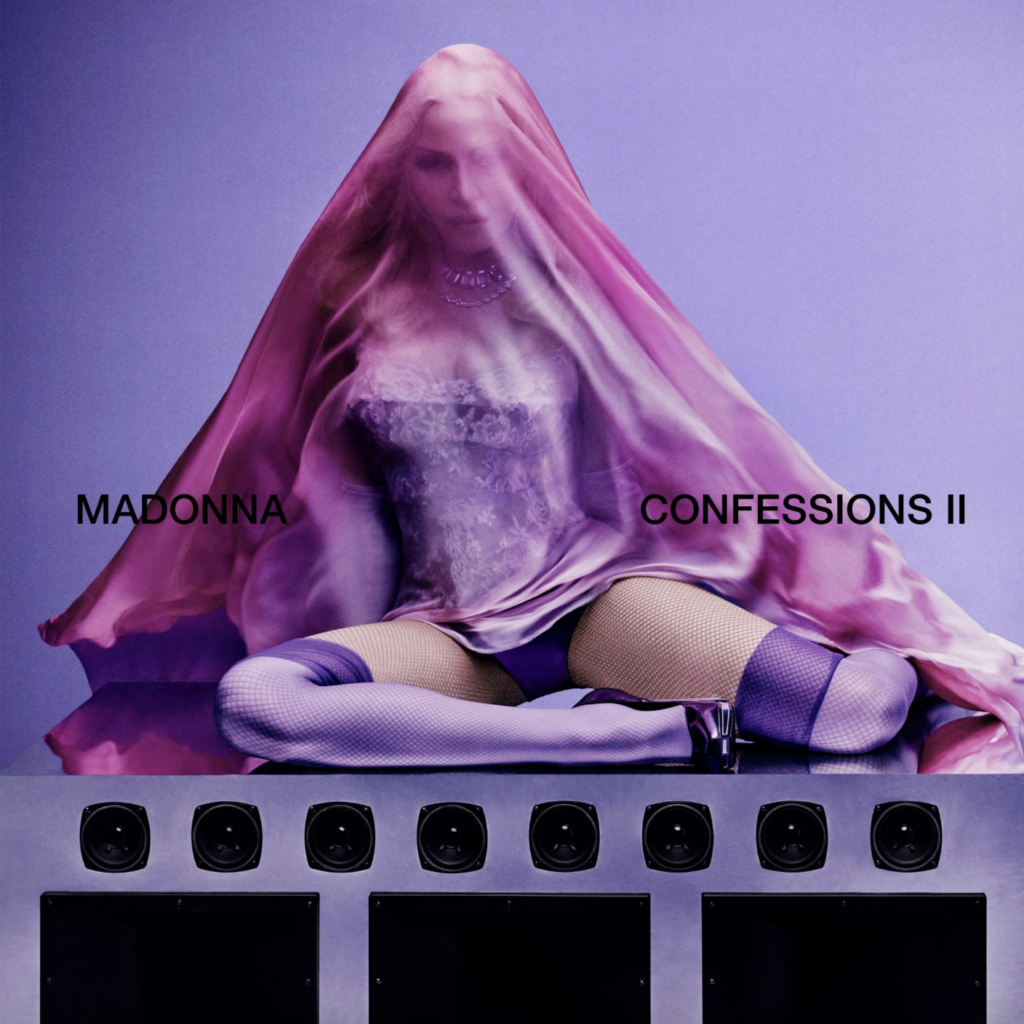
This July, she will release Confessions on a Dance Floor II — her first album in seven years, alongside Warner Records, the label that pressed her first single in 1982, and whose co-chairman described her as “the blueprint, the rule breaker, the ultimate cultural juggernaut.” For the sequel, she has reunited with British producer Stuart Price. Famously, he produced and recorded the first instalment in his London studio, where Madonna carved her name into the rafters during idle moments.
One must pray with the body, celebrate it, and dance with it. Partake in primal activities, connect to an unseen space. Get spiritual and allow your toes to get dirty from dew, allow your soles to scuff on linoleum—these are spiritual practices.
Get into a ritualistic space with yourself and connect to your own fragility. Make art out of living, connect with chosen communities, reshape sound and light. Be receptive to the bass of life. Dissolve and atomize. That is the ethic of pop music.
Discover More