Pieter Mulier Takes His Final Bow at Alaïa’s FW26 Show
For his finale season, the Belgian designer reflects on his legacy, dedicating the Fall 2026 collection to the maison’s team—”Not my Alaïa, our Alaïa”
“This collection is not about me,” Mulier writes in the show notes. “It is about the Alaïa team—our family—and an expression of all we have learned, and felt, and loved across the past five years.”
It was announced in January that Pieter Mulier’s tenure at Alaïa would end with the Fall 2026 collection. Shortly after, following the house’s acquisition by the Prada Group and Dario Vitale’s departure, the rumours were confirmed—Mulier would assume the position of chief creative officer at Versace. With rumblings of somber “farewell”s, eager “hello”s, and all-around mixed emotions, this made the already-hot Alaïa ticket scorching at Paris Fashion Week.
Just days before the show, guests received a buckled briefcase containing leather pattern pieces which, upon clasping each shape, form a bodice sculpture. Known for his sleek, hugging silhouette, this invitation was a silent epitome of Mulier’s Alaïa era.
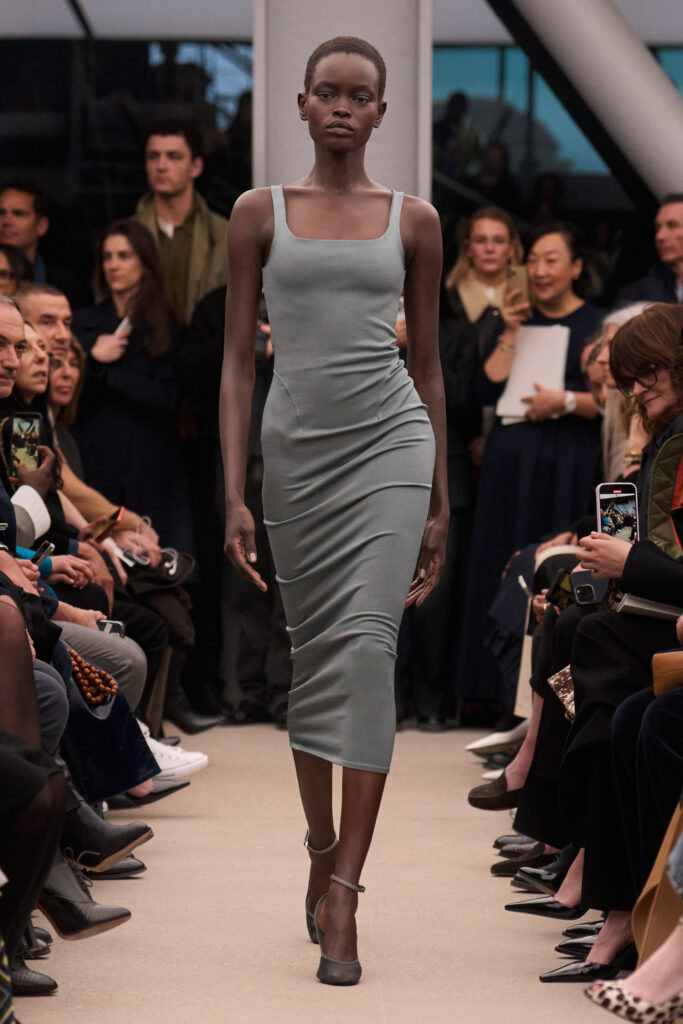
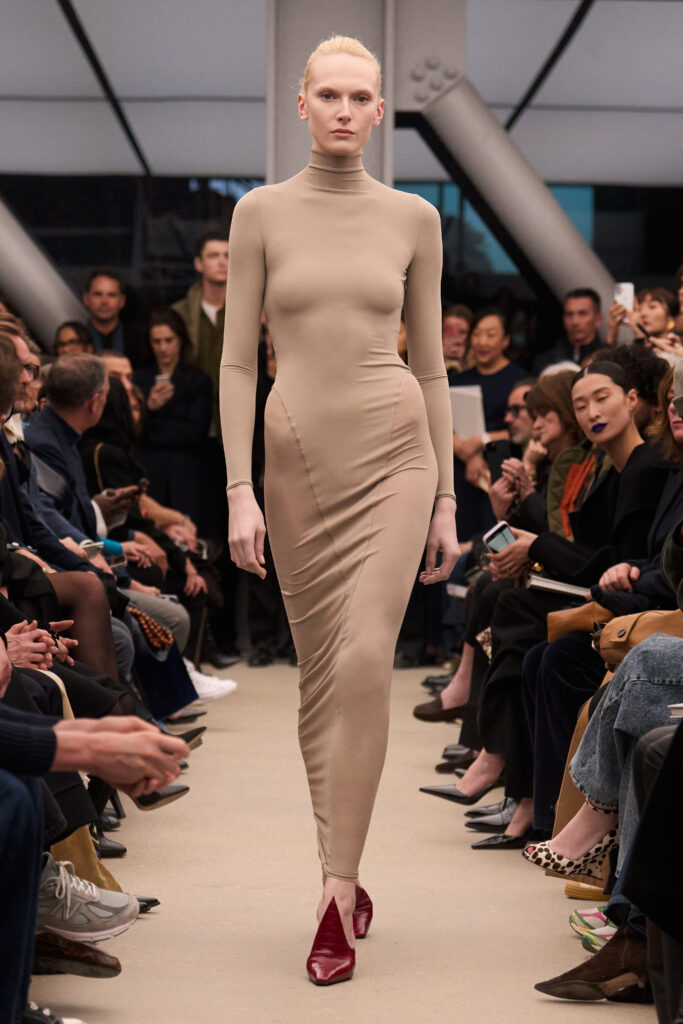
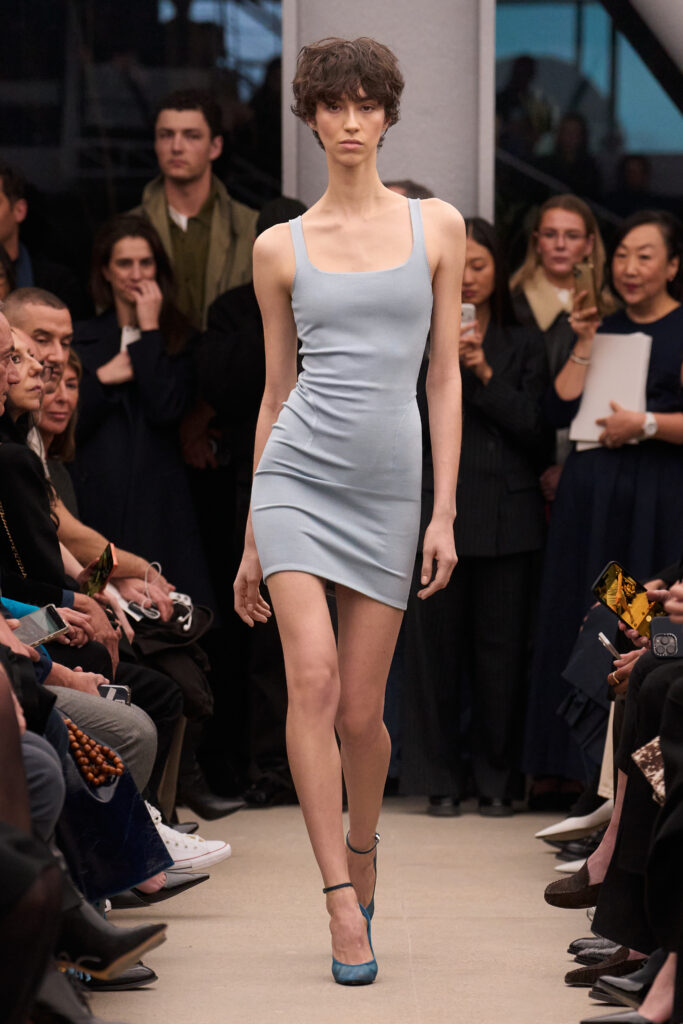
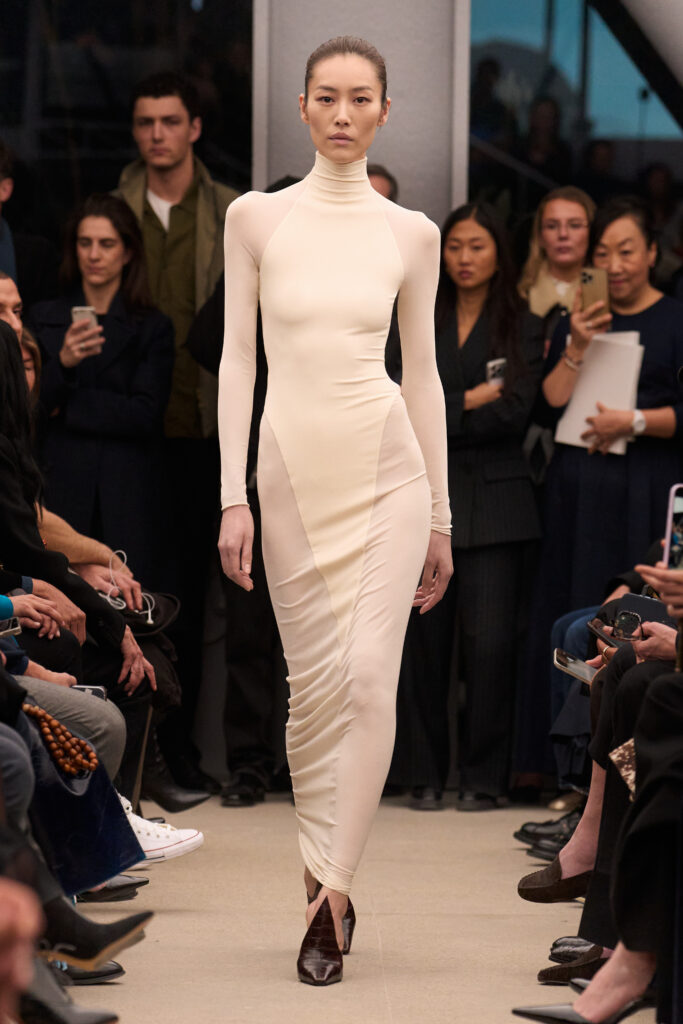
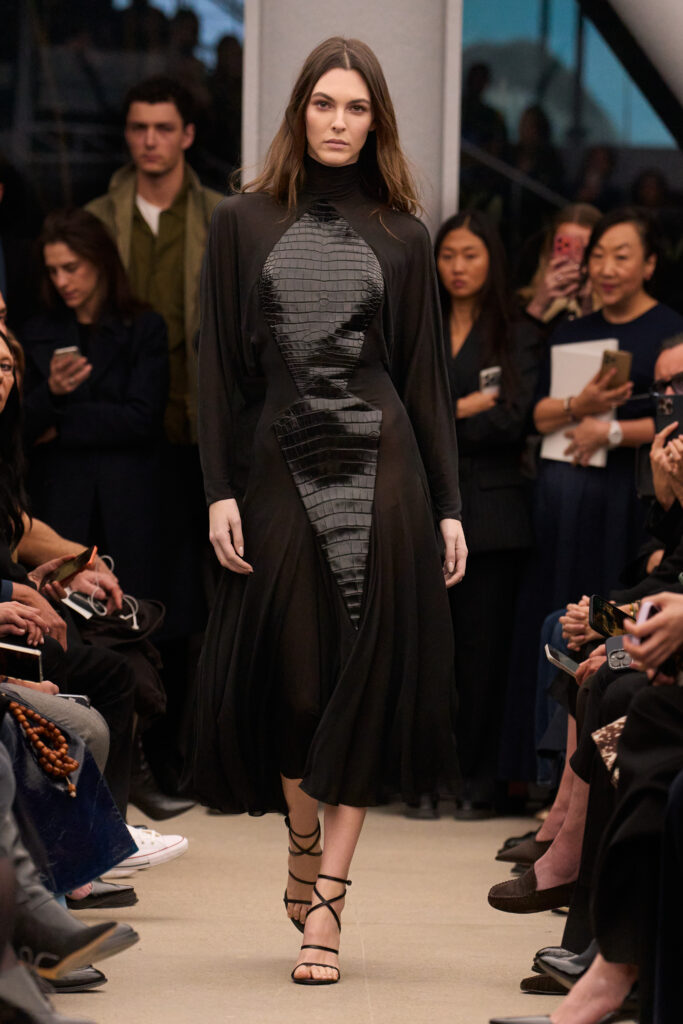
On the runway, the designer opted for a simpler finale. The show debuted unpretentiously, with a series of stripped-down, body-sculpting dresses. But minimalism has always been quintessential to Mulier’s design language. In the last five years, Mulier revived Alaïa’s cultural relevance through simplistic yet conceptual designs, never conforming to the trend cycle nor overcommercializing the maison with its logo. His confident, uncompromising approach was a renewal that kept in tune with the consumer, accumulating a slew of viral pieces during his reign, including the famed fishnet ballet flats, the precious “Le Coeur” bag, and the classic “East-West” shoulder bag.
Courtesy of Alaïa
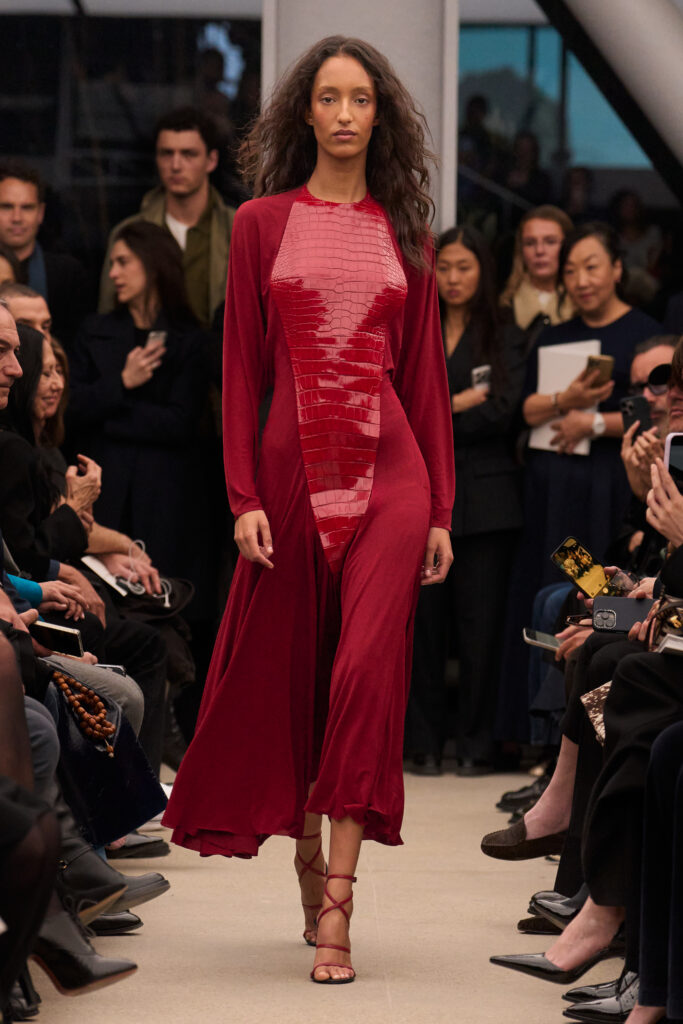
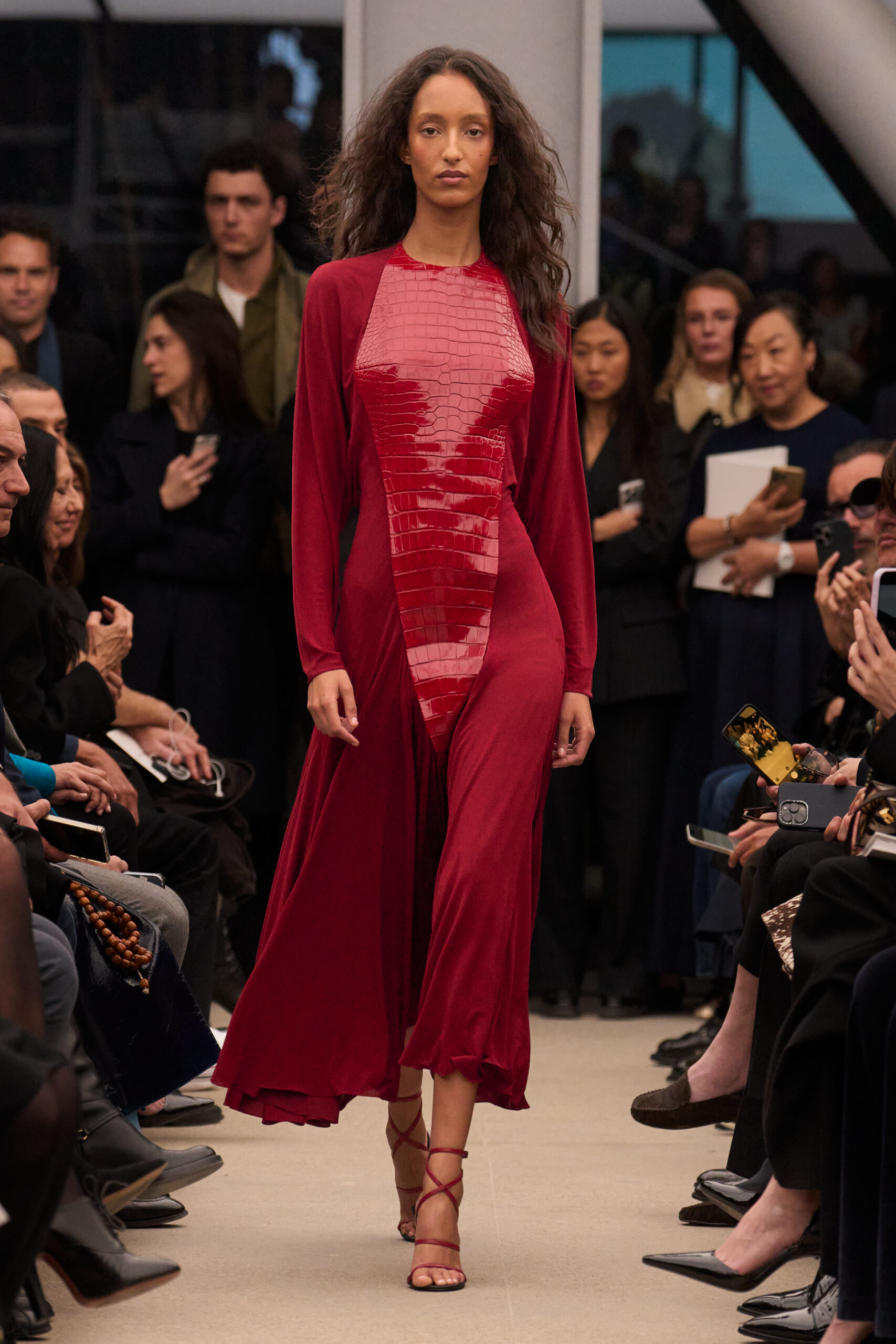
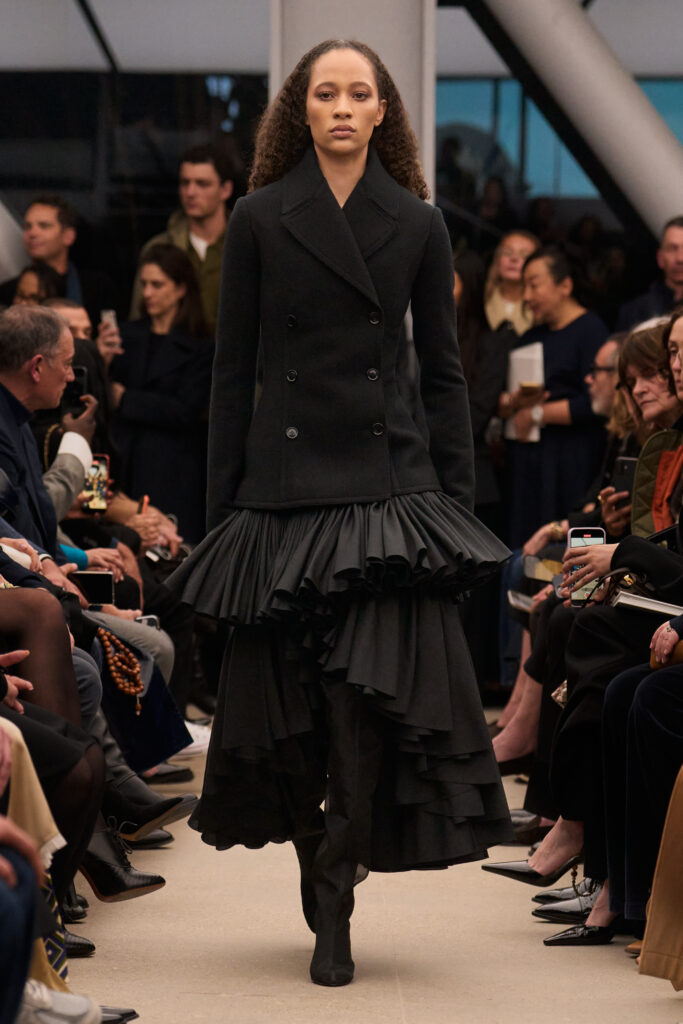
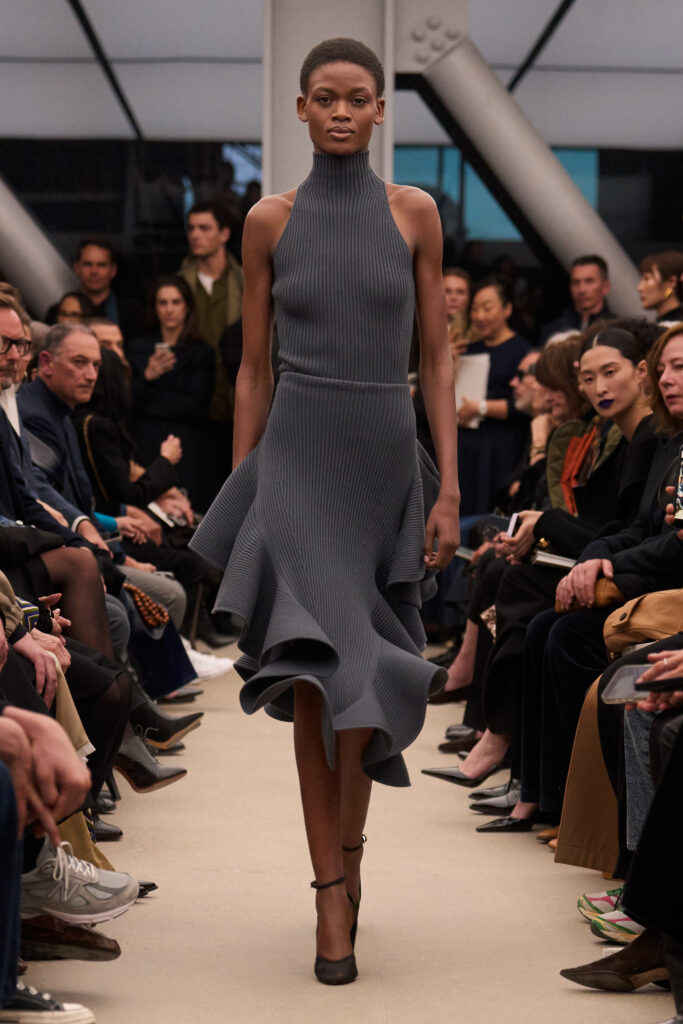
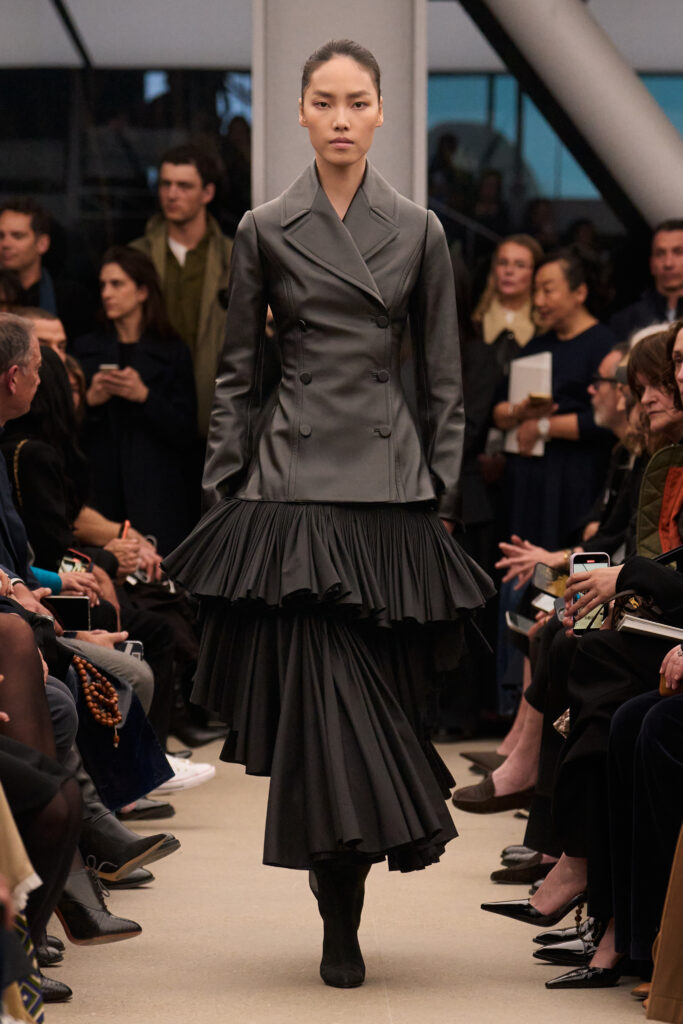
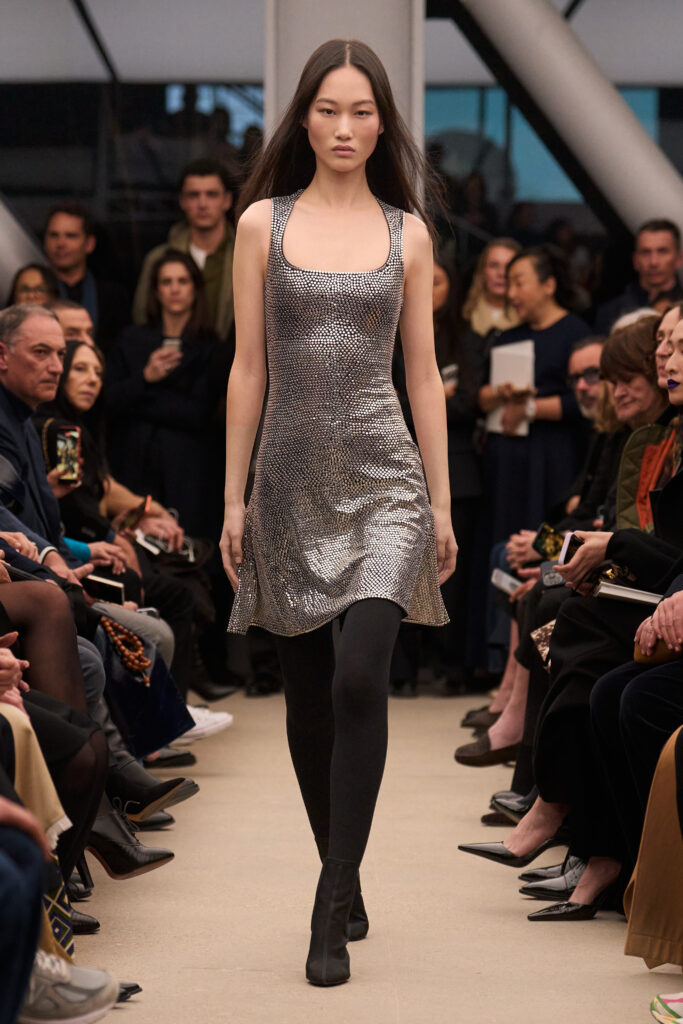
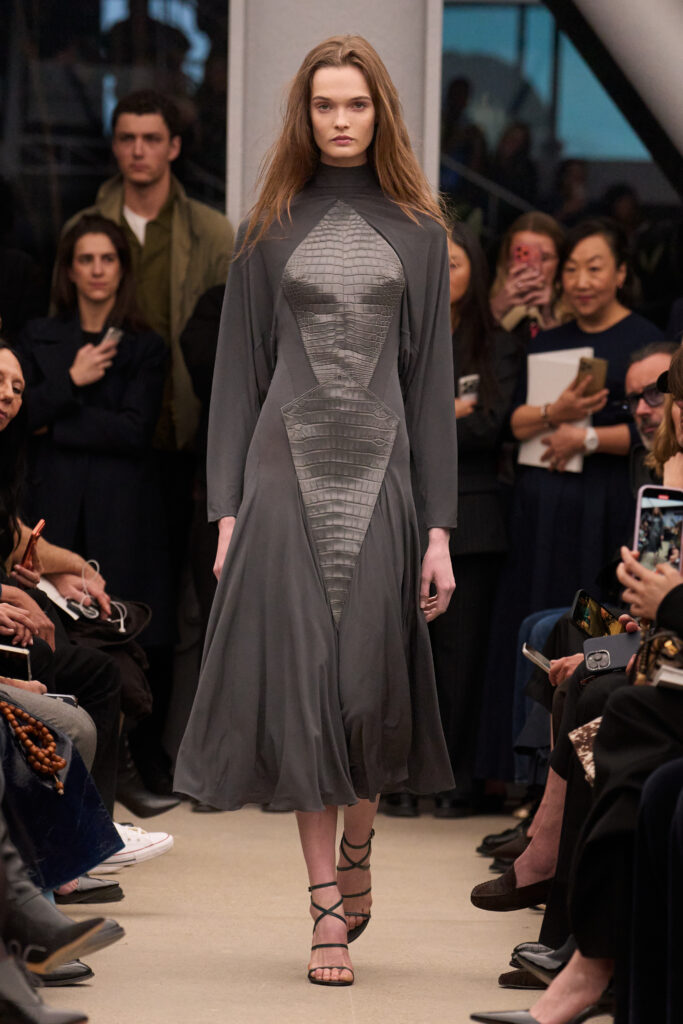
At Paris’s Fondation Cartier, the runway continued to showcase only the essentials, championing Azzedine Alaïa’s founding vision—masterful technical attention, innovative form, and sexy display. A velvet, double-breasted maroon suit followed a classic double-breasted black coat-dress. Long-sleeved maxi dresses and sets were offered in the very fitting color palette of red, black, cream, chartreuse, and nude. Complete stud-plated minis were reminiscent of past seasons—honorable mention to the viral embellished leather ballet flats.
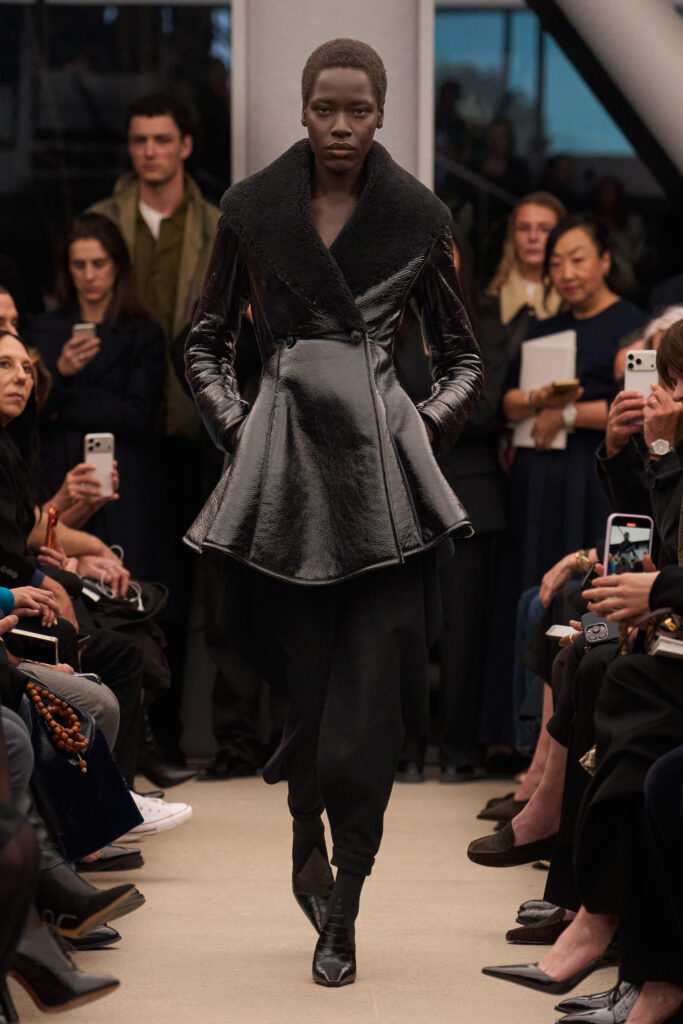
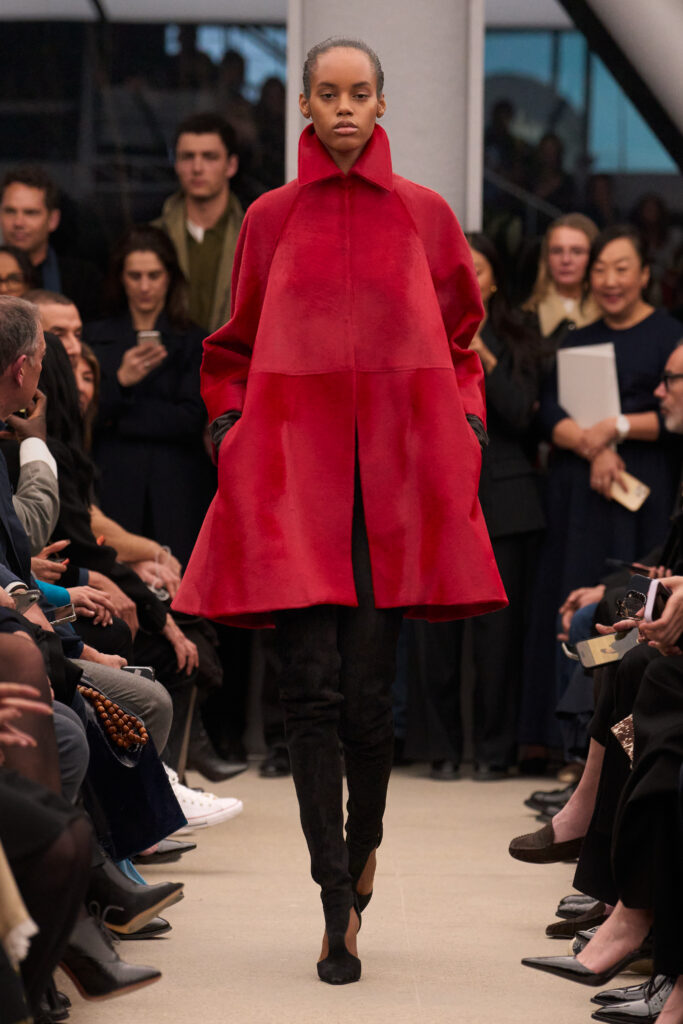
The collection’s silhouette became sharply triangular, extending at the waist and narrowing to a point towards the feet. The coats were tiered with flouncy peplum layers, dramatic in thick shearling, but more reserved in wool and leather. To the same effect, bouncy frills followed a matching silhouette, adding movement to a minimal pinstriped knit dress. In footwear, some pumps featured acute pointed vamps, others reduced the geometric aesthetic to a timeless, strappy heel.
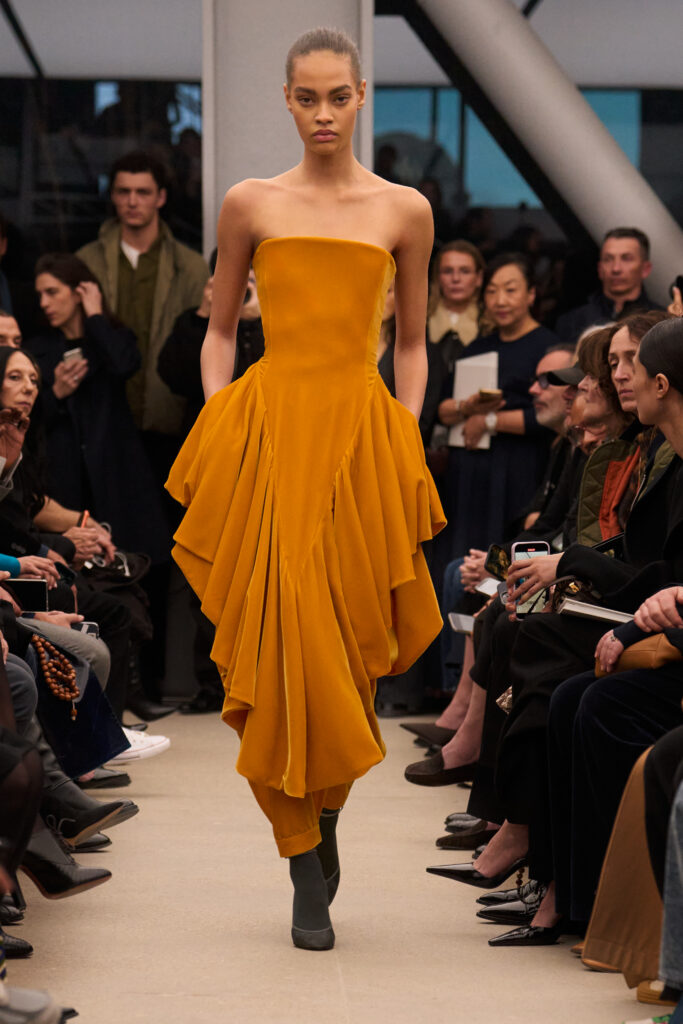
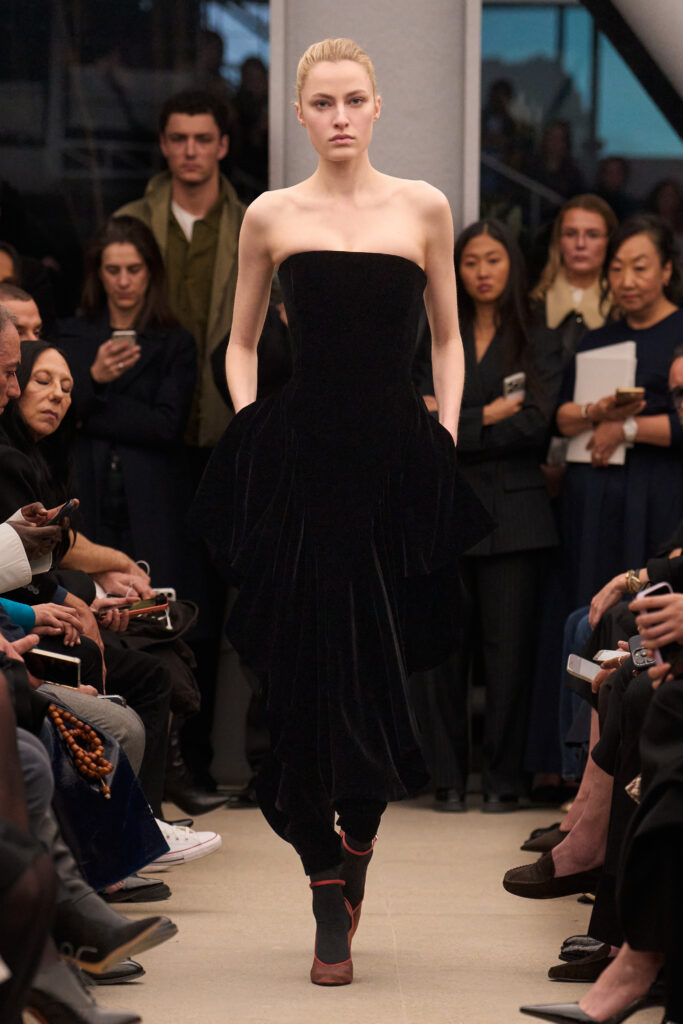
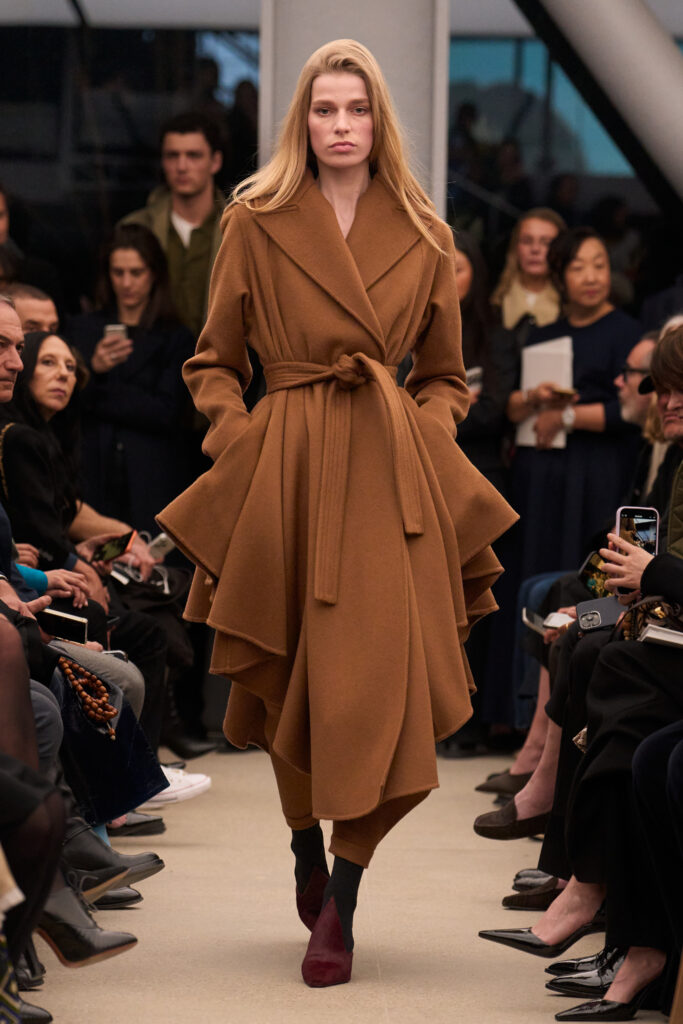
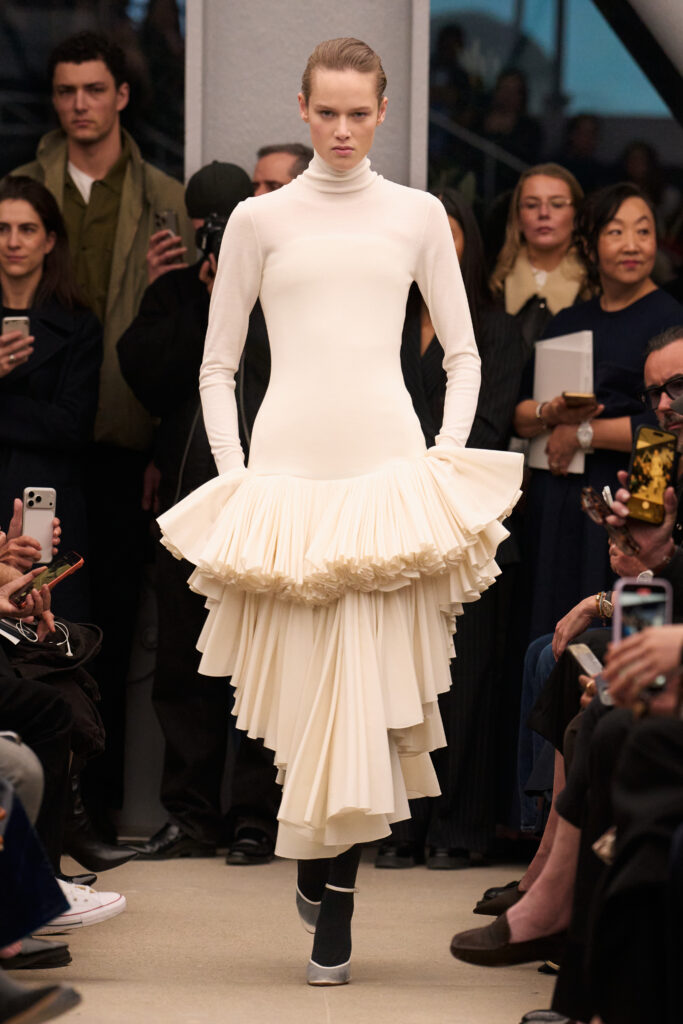
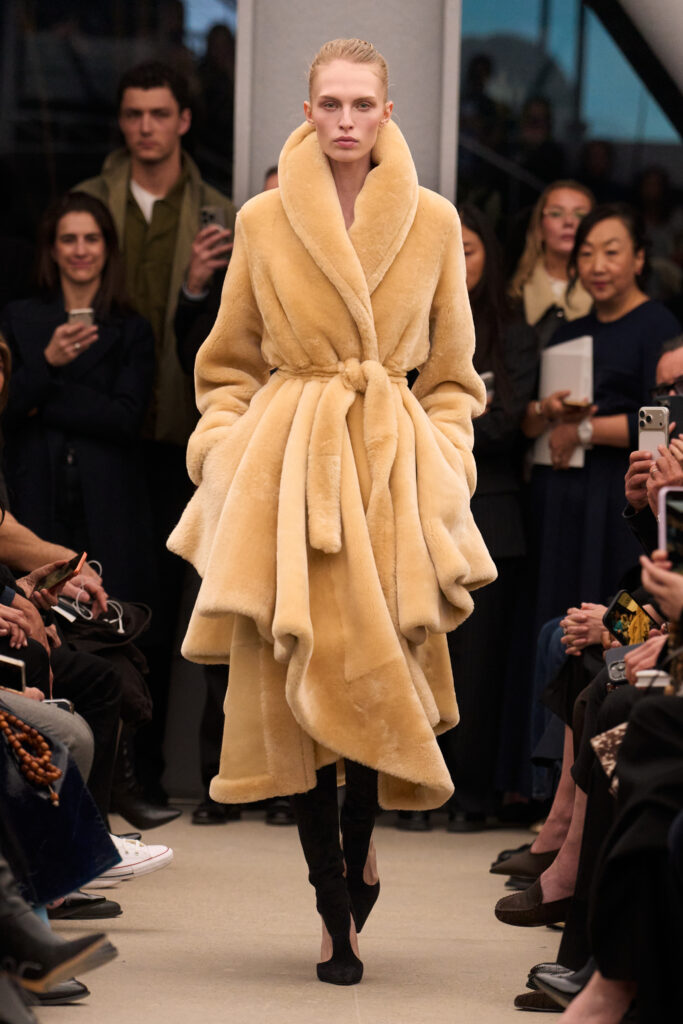
Courtesy of Alaïa
However, the pièce de résistance of this collection was not in Mulier’s technical design, but in his humble attitude; the way he turned his farewell into a gracious dedication to the Alaïa team. During the presentation, portraits of the maison’s atilier, shot by artist Keizo Kitajima, flashed to a dramatic symphony. “This collection is itself a portrait of Alaïa. Not my Alaïa, our Alaïa,” he writes. “I am proud that I am a part of the history of this house—and this house will be a part of me, forever.”
Following a bittersweet last standing ovation, a proud Raf Simons promptly embraced his long-time right-hand in a ubiquitous hug that felt like both a goodbye and a welcome.
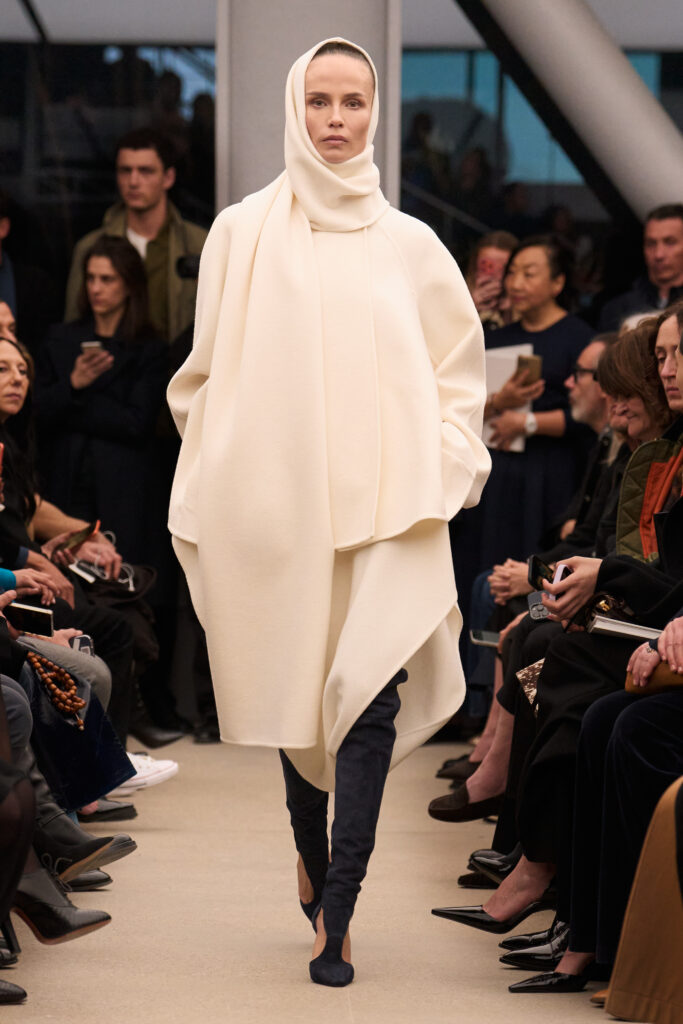
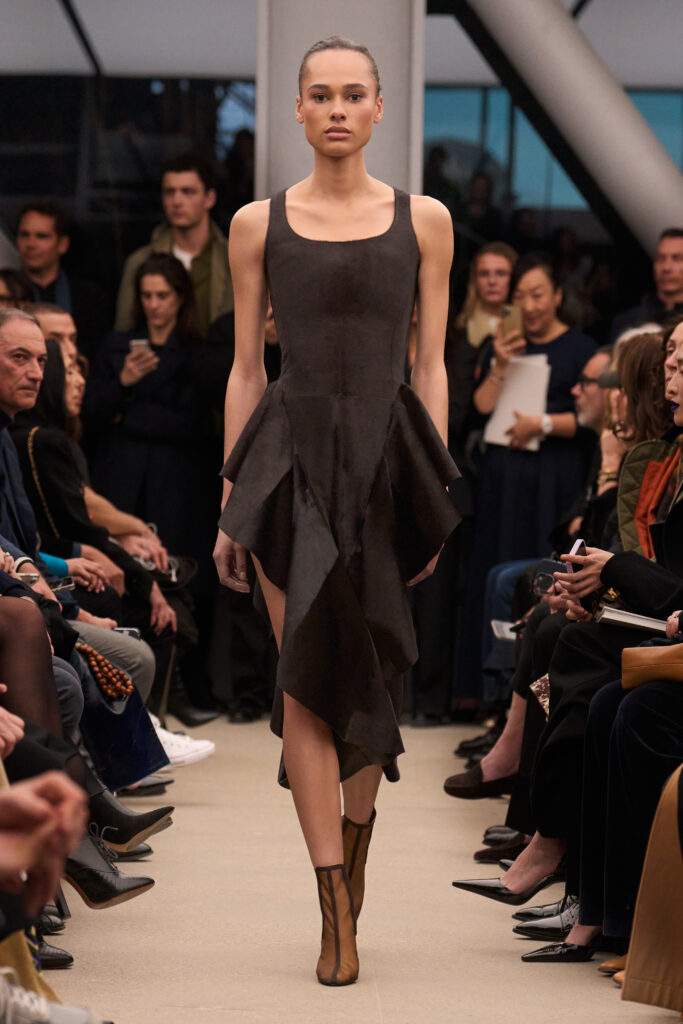
Courtesy of Alaïa
Discover More