Sergio Hudson Memorializes Latest Collection With Woodford Reserve

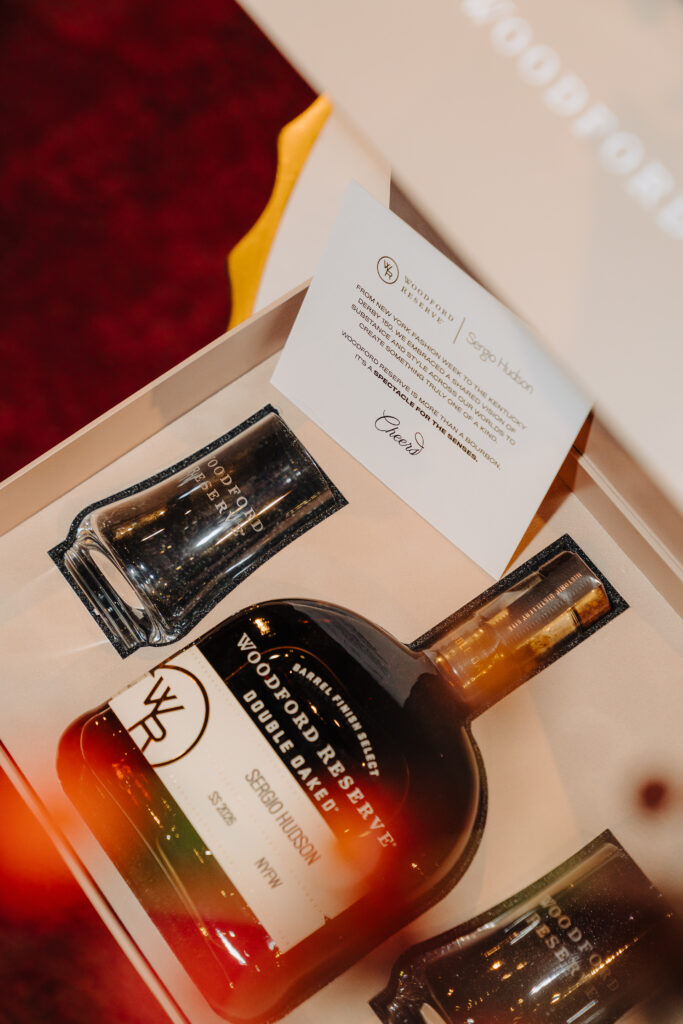
In celebration of the designer’s Spring/Summer 2026 runway show, Woodford Reserve partners with Sergio Hudson to toast tailored American glamour in its latest manifestation
Sergio Hudson is an orchestrator of sorts. Yes, he makes clothes, but he also makes…moments. In 2021, his designs were chosen for both Vice President Kamala Harris, and former First Lady Michelle Obama’s inauguration ensembles, and although he has crafted custom gowns for stars at the 2025 Met Gala (18, to be exact, among them Stevie Wonder, Quinta Brunson, Rachel Brosnahan, and Adrienne Warren), Hudson has built his reputation on a stalwart refinement and strength.
Born in South Carolina, Hudson shot to wider recognition after winning Bravo TV’s Styled to Rock in 2013, a launchpad that led to the founding of his own label. A couple of inaugural suits and red-carpet showstoppers later, Hudson doubles down on his attention to detail as he reveals his Spring/Summer 2026 collection at New York Fashion Week. In crafting corsets that adjust with the body, hand-embroidering pinstripes, measuring clean lines, and piecing together theatrical silhouettes, Hudson remains a man of essence, producing garments meant to be seen (when the shoulder pads are as structured as Sergio’s, they’re quite hard to miss), as much as they are made to embody female power, elegance, and identity.
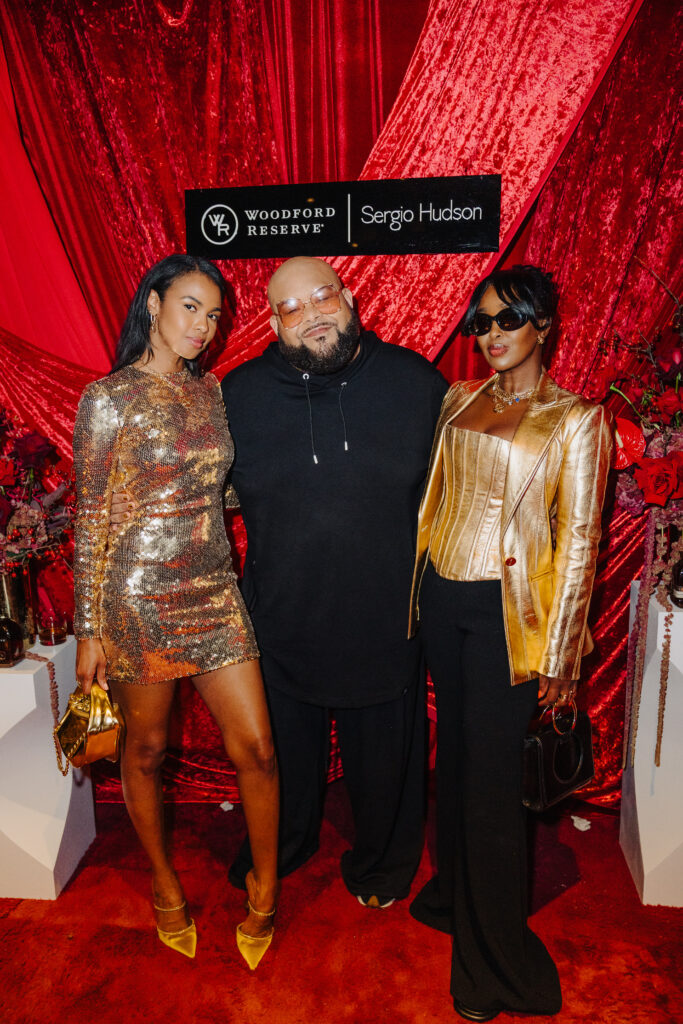
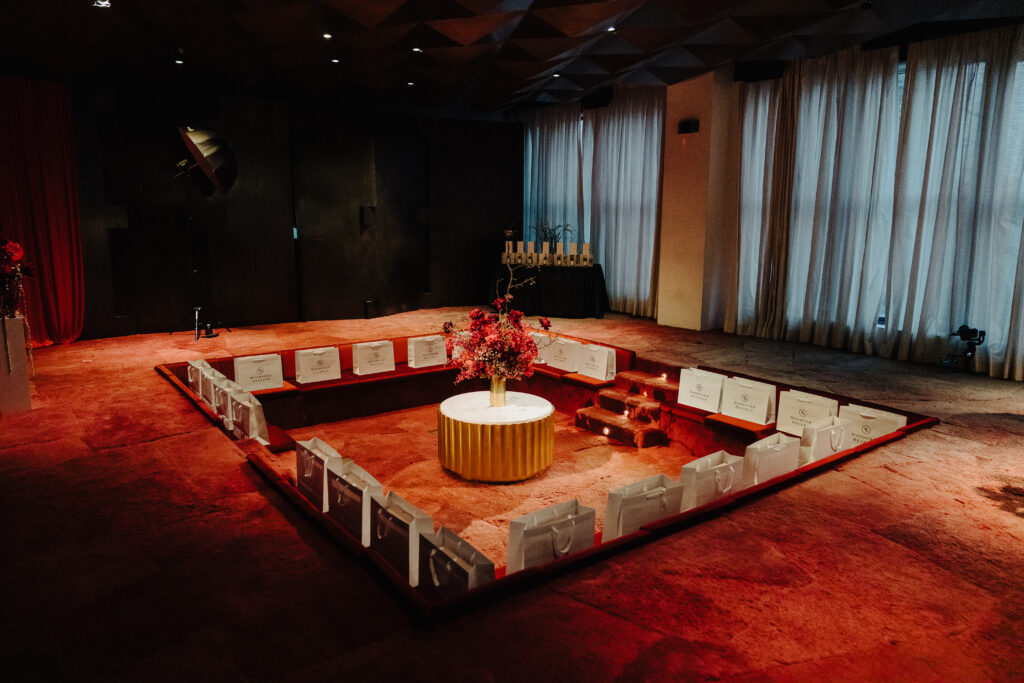
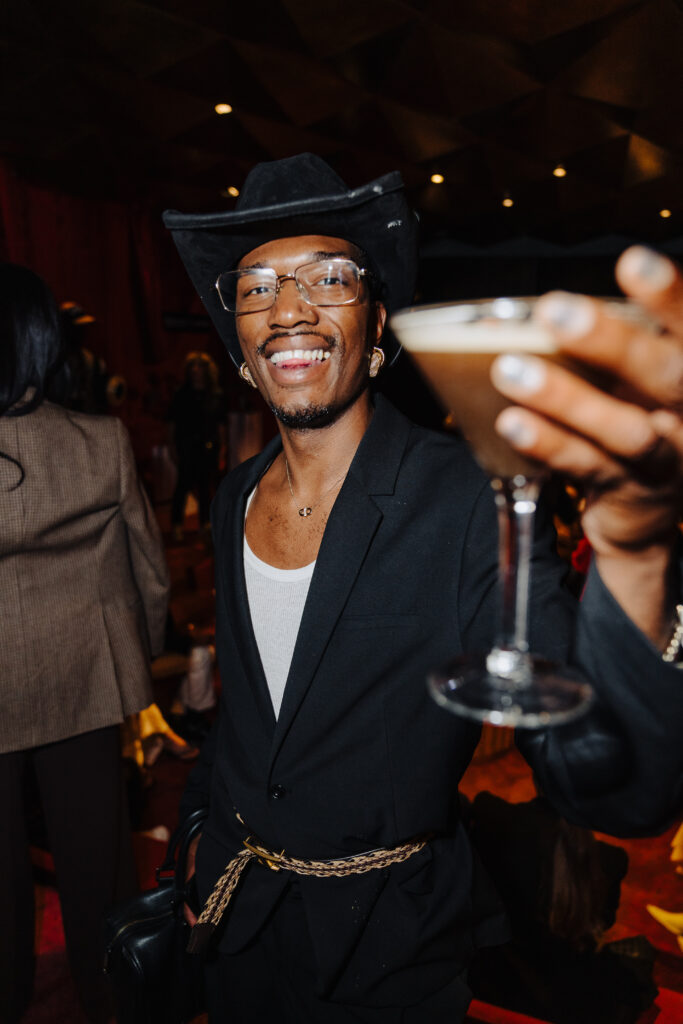
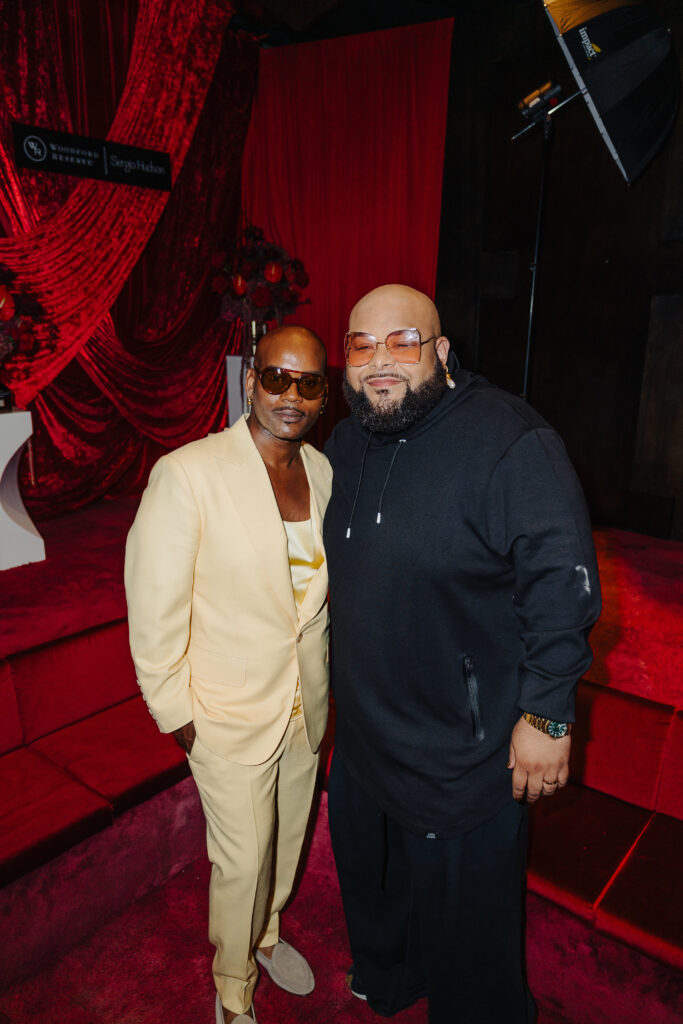
To toast his latest runway show, Hudson has partnered with small batch Kentucky straight bourbon whiskey brand, Woodford Reserve, for a night of fanciful festivities and dignified debauchery. V caught up with the designer atop the velvet cushions of Spring Studio’s sunken living room, where he talks about collaborations built on longevity, identity as artistry (never a marketing tool), and his intention to prove that legacy is created through excellence, not labels.
V Magazine: First things first, how did your partnership with Woodford Reserve come about?
Sergio Hudson: It came about rather organically. They approached me about designing a capsule collection for the Kentucky Derby. They’re the main sponsor for the Kentucky Derby. So, that’s how we got started. And we just vibed. They started sponsoring my shows, and I like working with the same people. I don’t like just doing hire for hire. I like to build family, and that’s what I hope people feel when they come to my shows—that family atmosphere. Woodford is that kind of company, so that’s why we work together.
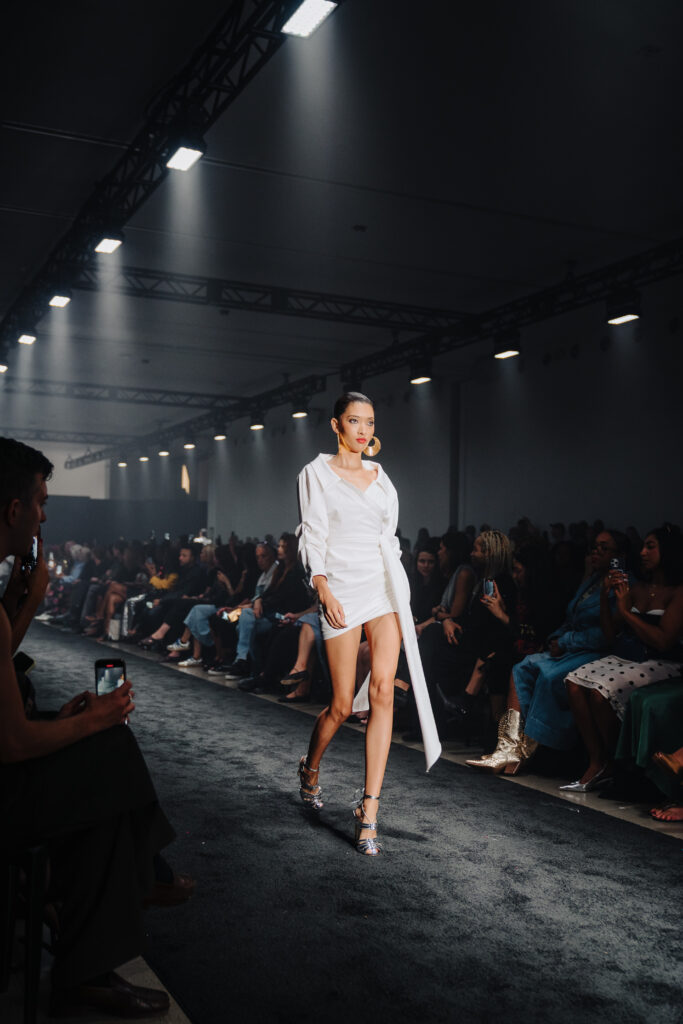
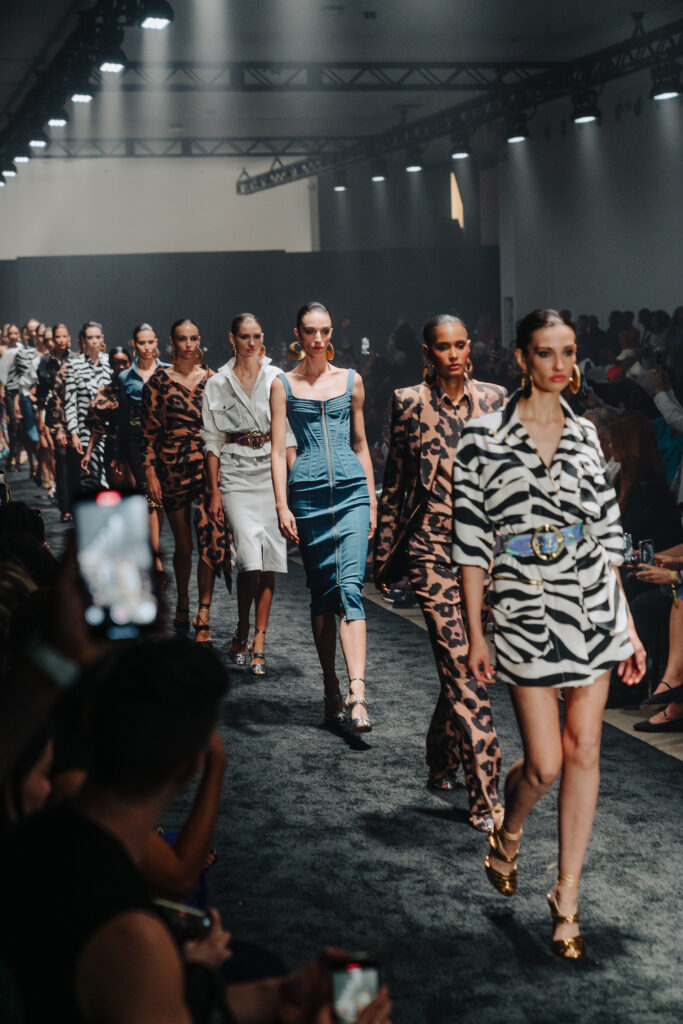
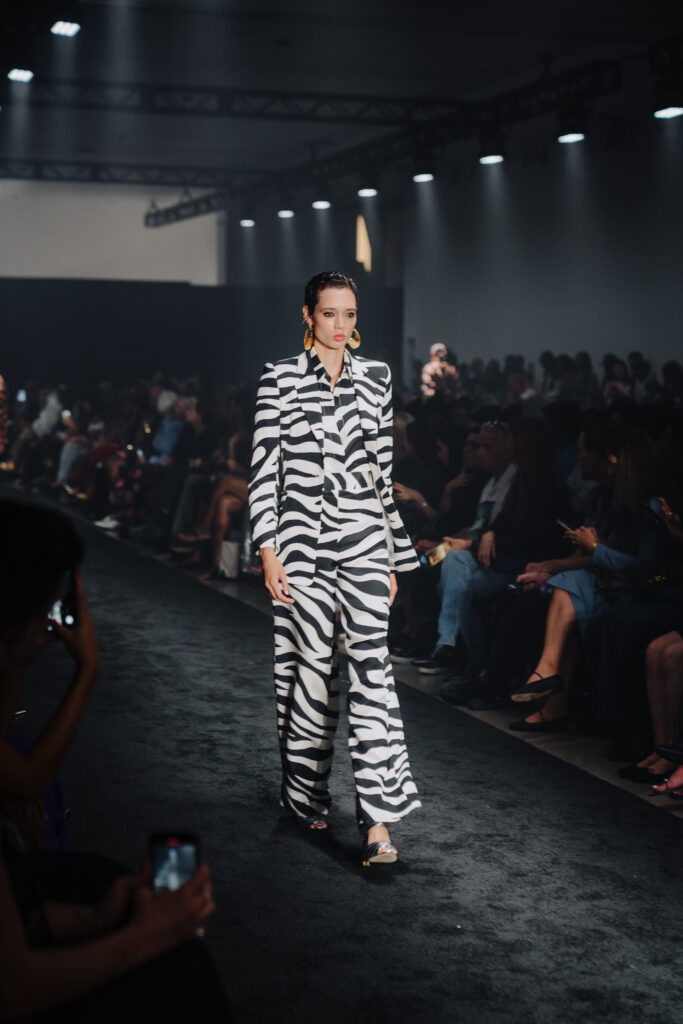
V: Awesome. You have a very small team that is mostly minority and women-led. Is that something you’d like to hold onto for the future?
SH: I definitely don’t want a small team. I do it because I have to. I’m a very hands-on designer. A lot of the things you see, I make the patterns for, I drape them. I work directly with my designers. I’m not one of those creative director types who don’t know how to make clothes. That’s why women love the way my clothes fit, because I actually make them on their bodies.
This season there is so much corsetry. I had a client at Met Gala who just had a baby one month before Met, and she was like ‘I need to be at Met Gala and I need to look good.’ So, I had to develop a corset that would shrink as her body shrunk, and I was like ‘Wow, this is something I should give to my normal customers.’
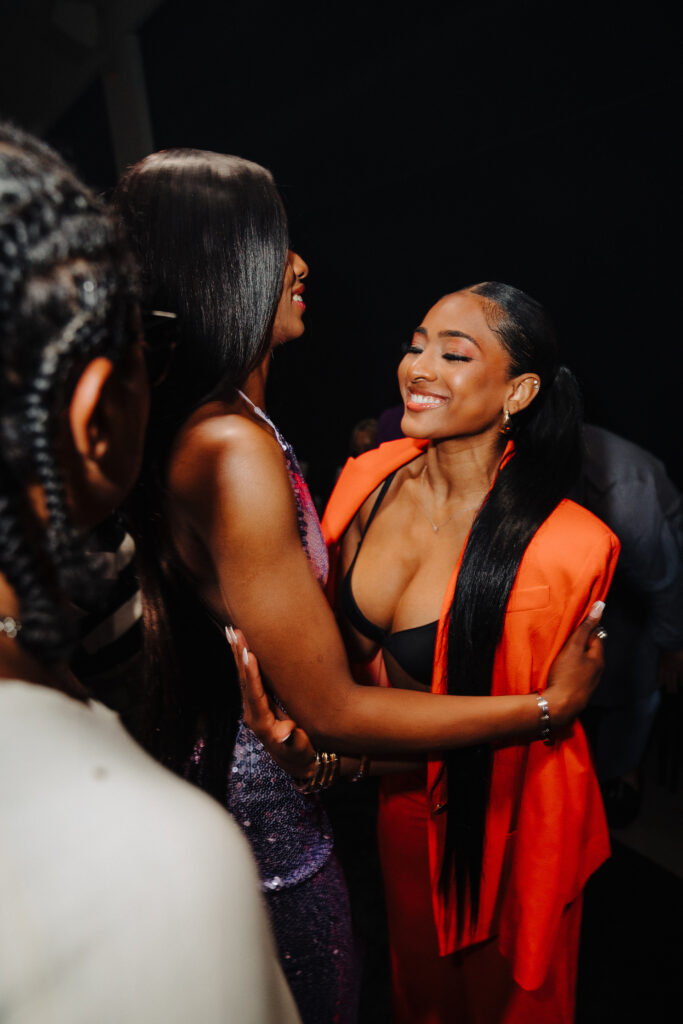
V: You often mention that you don’t want to be known as just a black designer. You don’t want people to buy your clothes as a sort of tokenism, but at the same time, you want others to understand that African American designers can create legacy collections. How do you reconcile those two ideas?
SH: I appreciate all the allowances you get for being a person of color, for people who are conscious of the struggles that my people went through, but I want you to look at my clothes and look at me as a person, not a color. I’m very much a black man, proud to be a black man, married to a black man, but I’m a designer. I’m not a black designer.
V: In the past, you’ve said that the world is very gay-friendly on the surface, but in reality a lot of people struggle with coming out and finding that acceptance amongst their peers. What would you tell these people?
SH: With any marginalized group or any minority, the biggest thing that we want is to be normalized. When I go out with my husband I don’t want everyone to be like, ‘Oh, they’re a gay couple.’ We’re just a couple. We’re human beings. I love him, he loves me. We just happen to be men. I think that’s where we have to get as a society.
V: Is there anything you’d like to say to emerging designers?
SH: I think you just have to do good work. If you make good clothes, if you have talent, you can always come back. All of this could go away. I can’t afford to pay a seamstress or whatever, I can do it all on my own. I did it before. I will never stop designing clothes, because it’s my passion. It’s who I am as a person.
Discover More