To Help Pass the DEFIANCE Act, Paris Hilton Heads to Washington, D.C.
“I’m not giving up.”
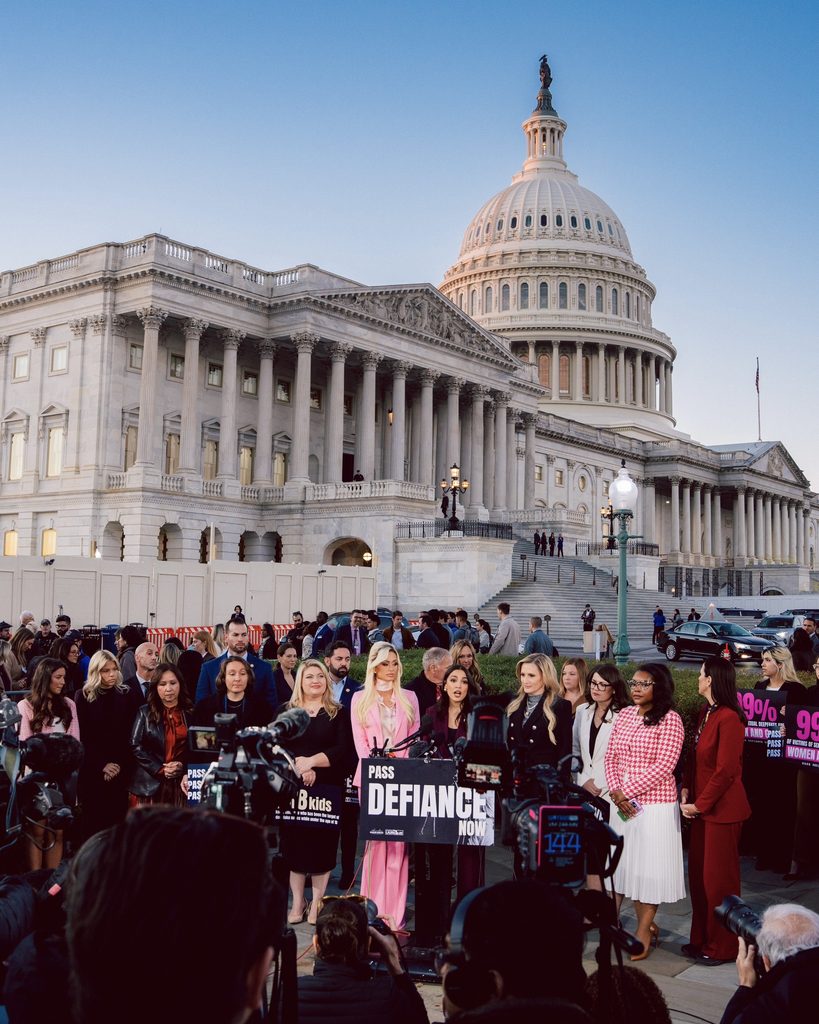
Last week, Paris Hilton arrived in Washington, D.C., to help push forward the DEFIANCE Act, the Disrupt Explicit Forged Images And Non-Consensual Edits Act. This proposed bipartisan legislation would “[establish] a new federal civil action for nonconsensual conduct involving intimate digital forgeries (i.e., deepfakes).” In short, it would, as Hilton shares, “give survivors a federal civil right to sue people who knowingly create or distribute nonconsensual sexually explicit deepfakes of them.” Co-led by Representatives Laurel Lee (R, FL) and Alexandria Ocasio-Cortez (D-NY), the DEFIANCE Act has already unanimously passed in the Senate, but has been held up in the House for 10 months, where it still needs to be voted on. If it doesn’t pass, advocacy for its passage will have to begin from scratch in 2027.
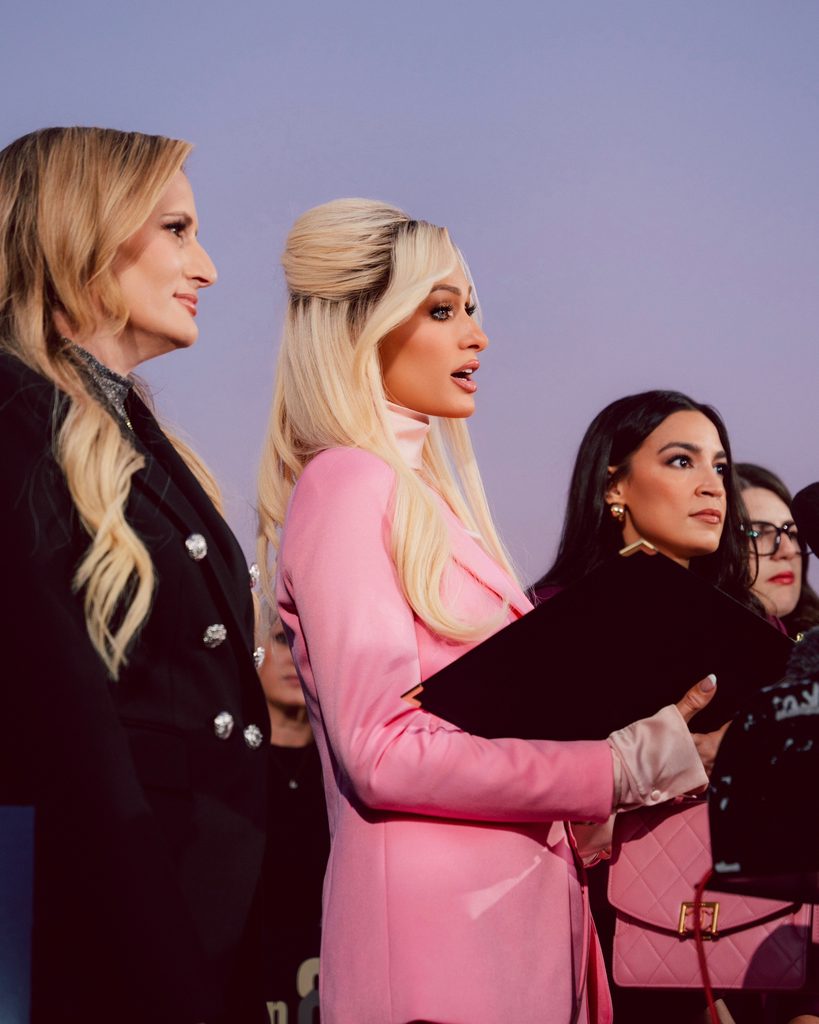
This is the second time Hilton has advocated for the passage of the DEFIANCE Act in Washington, the first being some 10 months ago, at the top of the year. A victim herself of nonconsensual image sharing when she was just a teenager, Hilton has since also learned of over 100,000 sexually explicit, AI-generated deepfakes of herself online. She later aired a TikTok documentary about deepfake pornography made by journalist Laurie Segall called Searching for Mr. Deepfakes on her TikTok account. For her advocacy work “ensuring legal protections keep pace with the rapid advancement of AI technology,” this past August she was named one of Time magazine’s 100 Most Influential People in AI.
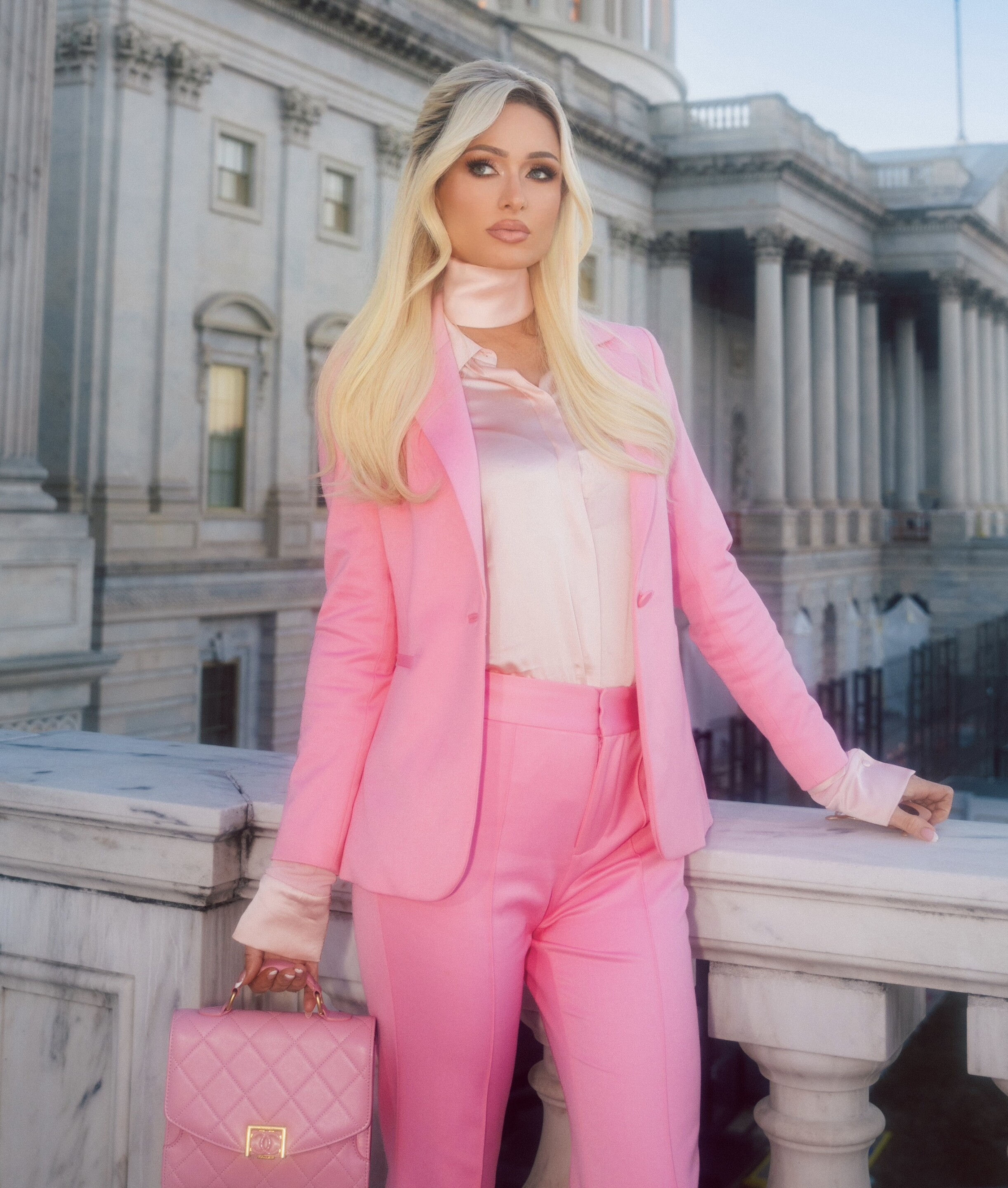
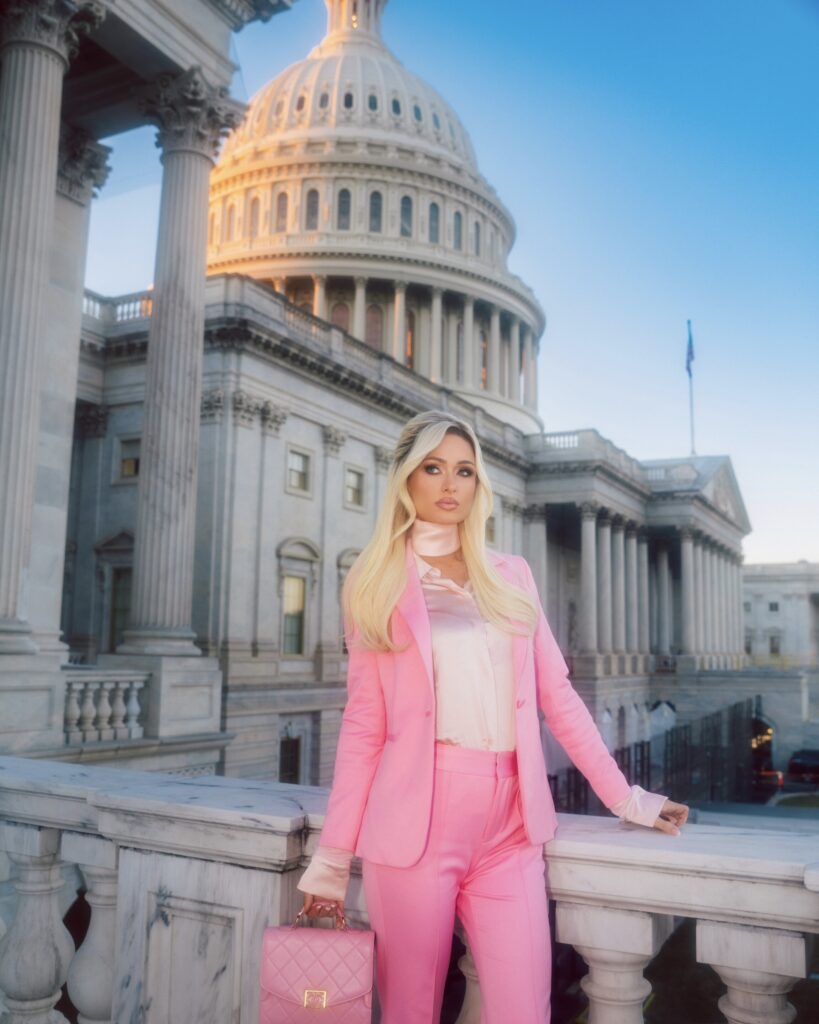
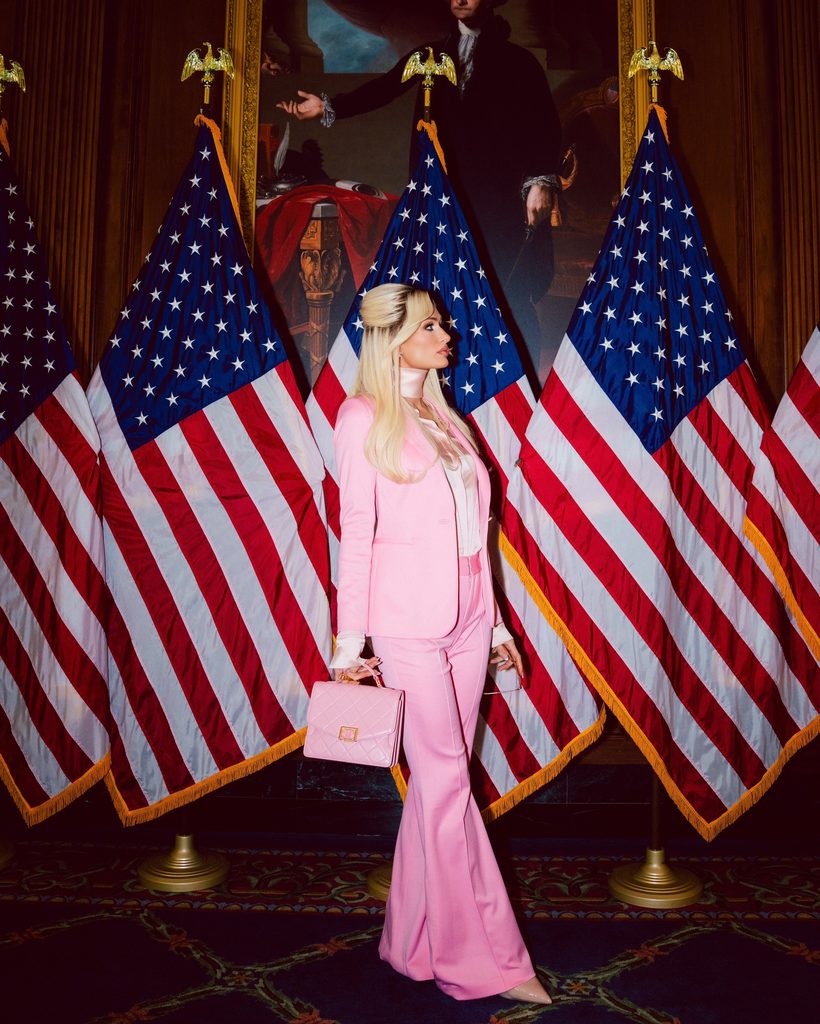
Hilton’s support of the DEFIANCE Act’s passage arises from a desire to protect people whose images are similarly compromised as deepfakes without their consent, a phenomenon now over 50 million people have experienced. “Ten months ago, I stood here at the Capitol and told the world what it feels like to have your body exposed without your consent. And I asked Congress to do something about it,” she said in a statement that day. “Some people might have thought that was the end of my fight. But when I make a promise to survivors, I keep it.” Clad in a pink suit, she was, importantly, entirely herself.
This is not the first time Hilton has spoken out on behalf of survivors in the Capitol, either—she also backed the Stop Institutional Child Abuse Act, which passed in 2024 and called for improved protections for young people in institutional settings. Here, Paris Hilton speaks to V about her work with the DEFIANCE Act, what has to be done to push it forward, and what it feels like to advocate for survivors and for herself.
V MAGAZINE: When did you start working with the DEFIANCE Act, and what made you want to get involved?
PARIS HILTON: I’ve spent years fighting to protect survivors of abuse, so when I learned about the DEFIANCE Act, I knew I had to get involved. When I was 19, a private video of me was shared without my consent, and I was publicly shamed instead of protected. Now, more than 20 years later, millions of women and girls are experiencing similar violations through AI-generated explicit deepfakes. I don’t want another generation to experience what I went through.
V: When you first learned about the deepfakes of yourself online, and what did it feel like to see them or learn of them for the first time after having already dealt with issues of nonconsensual private image sharing in your life?
PH: It was horrifying to learn that more than 100,000 sexually explicit deepfakes of me had been created without my consent. It brought back so much of the pain and humiliation I experienced as a young person. It is really terrifying that someone can take an innocent photo of you and turn it into something sexually explicit with generative AI.
V: What was your first thought on how to proceed?
PH: Over the past two years, I’ve worked with Loti AI to monitor my likeness online and help remove more than 73,000 nonconsensual explicit deepfakes of me. As I dealt with this issue permanently, I learned more about the barriers of technology to support the public and also laws that need to be put in place that hold perpetrators accountable and give survivors a path to justice.
V: How did you meet the young girls who also experienced this to hear their stories? What are some examples of what happened to them, and did you see any relationship to your own experiences?
PH: Through my advocacy, so many brave young survivors who have experienced the devastating effects of deepfake sexual abuse have reached out to me and we bring them to D.C to advocate alongside me. I’ve spoken to so many who are too afraid to go back to school because these explicit deepfakes have circulated about them. I see so much of my younger self in these girls and want all young girls to know they have nothing to be ashamed of if this happens to them.
V: What has kept this session with the House of Representatives stalled for so long? What is needed to push it through, and how do you hope to help?
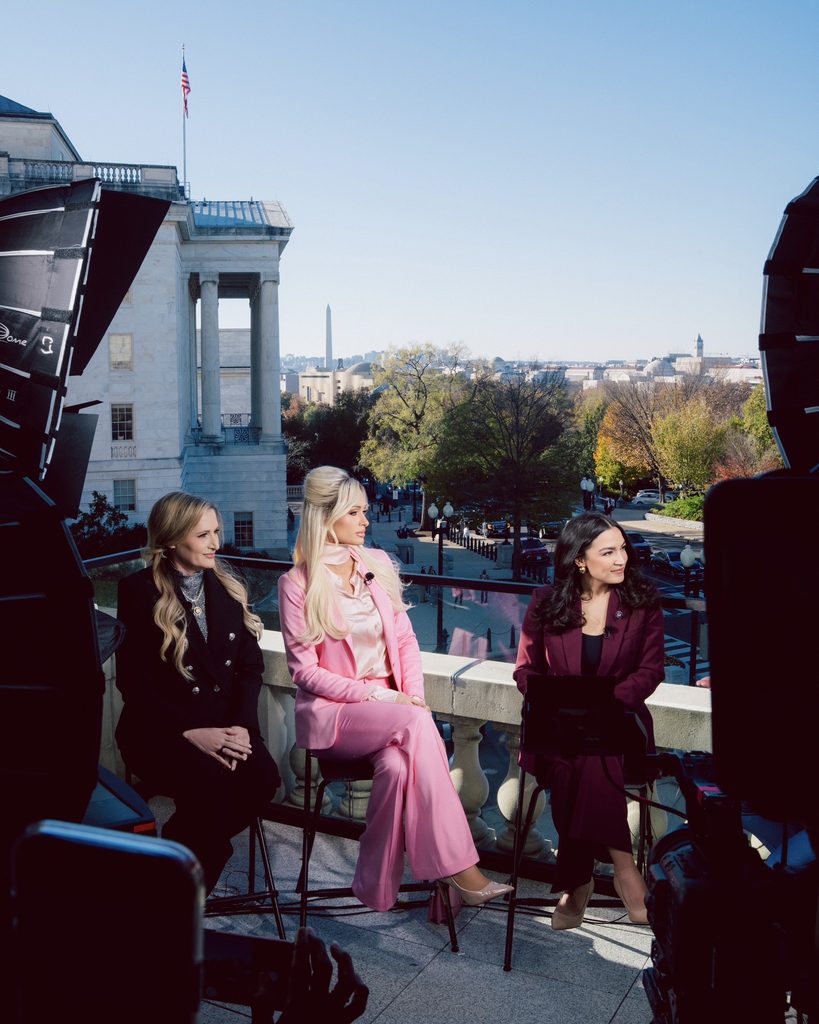
PH: The DEFIANCE Act passed the Senate unanimously a year ago, but we’re still waiting for House leadership to bring it to a vote. Every day we wait, more women and girls are being victimized. That’s why I returned to Washington alongside Representatives Alexandria Ocasio-Cortez and Laurel Lee to urge leadership to put the bill on the floor as we near the end of this session.
V: If the bill doesn’t make it to vote, what has to happen at the top of next year?
PH: If the DEFIANCE Act doesn’t pass this year, we’ll have to reintroduce it in the next Congress and start the legislative process over. We’ve already built incredible bipartisan momentum, and it would be devastating to lose that progress. But I’m not giving up. I’ll keep fighting until survivors have the protections they deserve!
V: If it does make it to vote, how soon after that can the DEFIANCE Act start to help people? How easy will it be for people to make a case if the act does pass, especially if they are a teenage girl?
PH: Once signed into law and in effect, the DEFIANCE Act would give survivors a federal civil right to sue people who knowingly create or distribute nonconsensual sexually explicit deepfakes of them.
V: What feelings does this advocacy work bring up for you personally? What do you do to manage those feelings, and how do you feel at the end of the day doing this kind of work and talking about your past?
PH: Every time I share my story, I feel like I’m reclaiming a little more of my power. Becoming a mother has made this work even more meaningful because I want my children to grow up in a safer world. At the end of the day, knowing that my voice might protect another young girl makes every vulnerable conversation I have on this topic worth it.
V: You mentioned earlier this year that when you were 19, “People called it a scandal. It wasn’t. It was abuse,” and I’m sure many other women on and off the screen had a similar experience. What has it been like to watch the media landscape change in how it has reported on your life and women in general from then to now, especially as you advocate for the passage of the DEFIANCE Act?
PH: When I was 19, the media turned one of the most traumatic experiences of my life into entertainment. I’m grateful that we’re finally having conversations about consent and exploitation that weren’t happening 20 years ago. But this new deepfake threat shows us how much work is still left to do.
V: It was especially moving to see you in Washington wearing a pink suit. At least for me, it spoke to the fact that women are to be respected as themselves, that there is great power in adorning yourself as you see fit. Can you talk about the decision behind this ensemble, and what it means to you as you advocate on behalf of women and children with the DEFIANCE Act?
PH: I think it’s so important to be unapologetically yourself! I love pink, and I’ve never believed that femininity and strength are mutually exclusive. For years, people underestimated me because of how I looked or dressed, but I’ve learned that I don’t have to change who I am to be taken seriously.
Discover More