Up Close & Personal with Jack Innanen
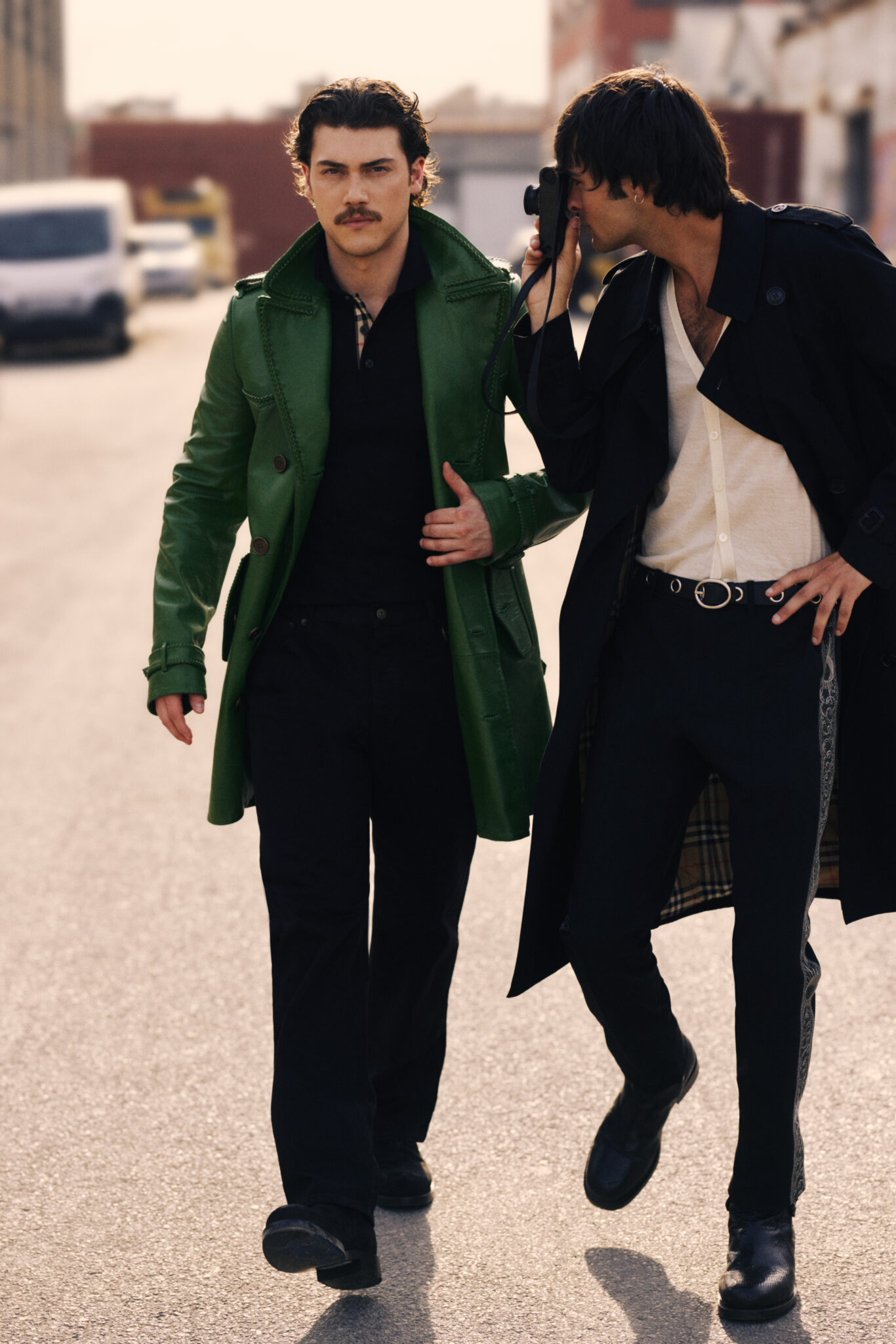
To the TikTok star turned Hollywood actor, fashion is no joke. Almost everything else is
Prior to 2020, the idea of a TikTok star transforming into a truly respected artist—whether in acting or music—felt more like a cultural punchline than a plausible career trajectory. Now, it’s become an increasingly well-worn path, with talents like Jack Innanen ascending from iPhone screens to major productions alongside A-list actors in just a few short years. Through that rapid evolution, Innanen has remained notably grounded, preserving the relatability that first drew audiences to him even as his visibility and opportunities have expanded in ways most people can only imagine. Most recently, this included starring as Max in Netflix’s Big Mistakes with Dan Levy and Laurie Metcalf after a breakout role as Paul Baker in FX’s Adults.
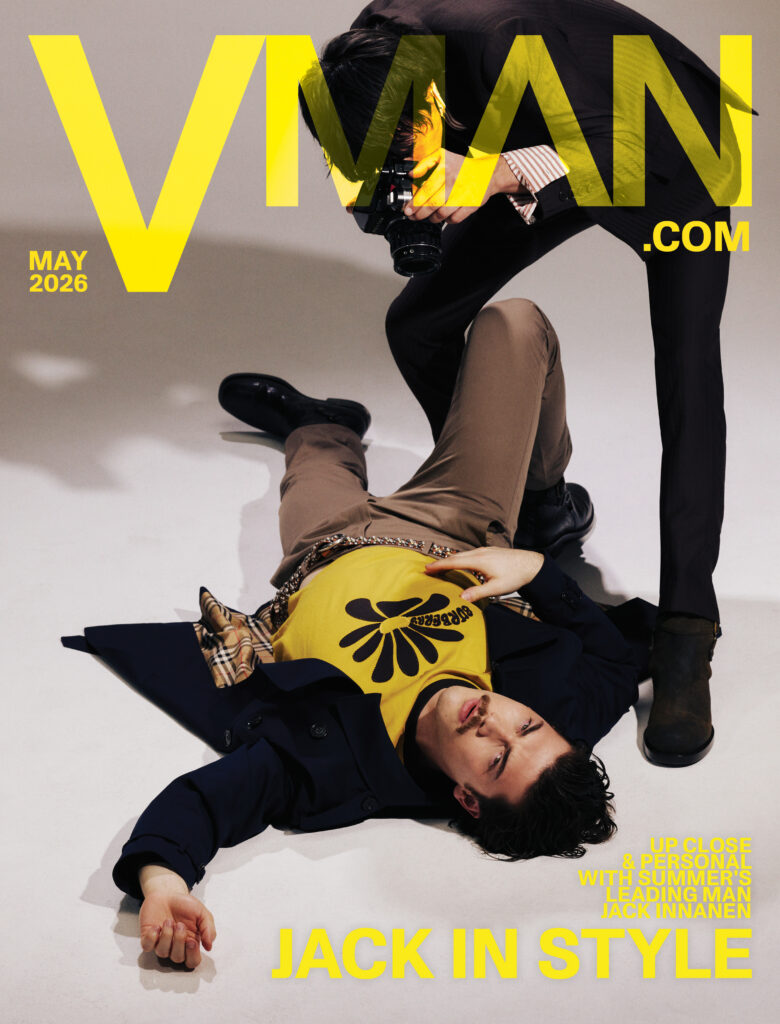
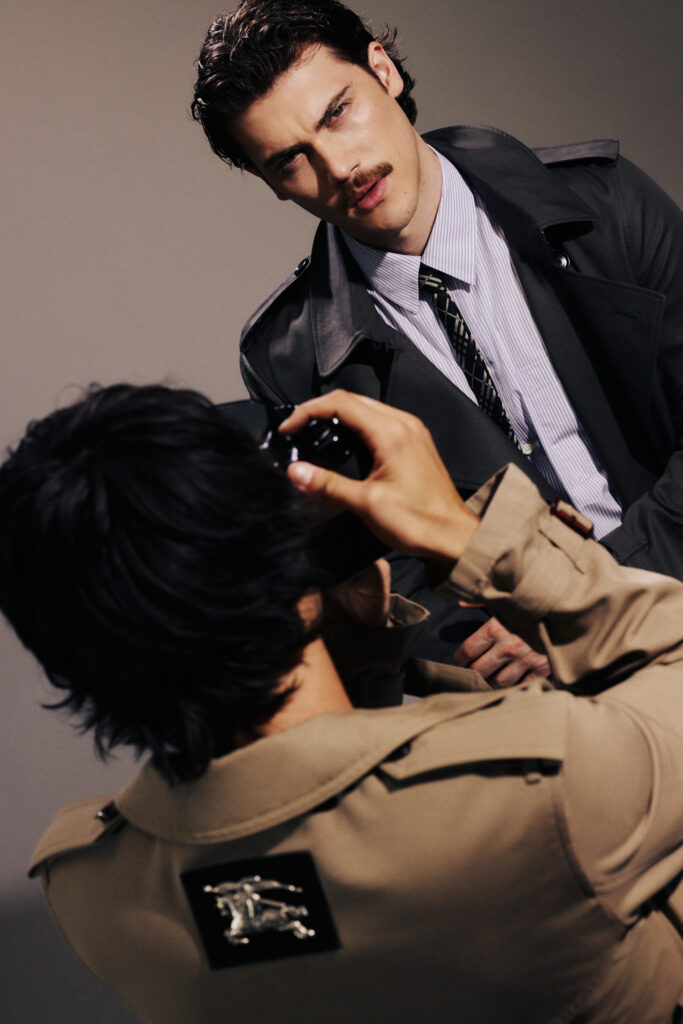
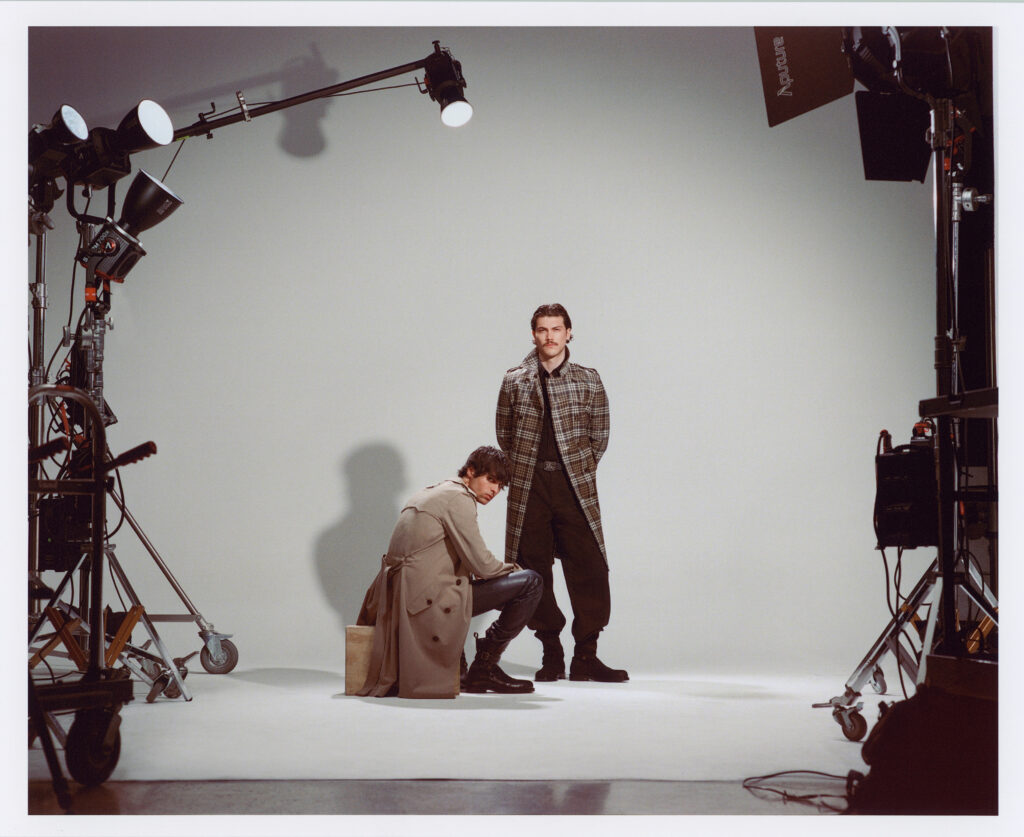
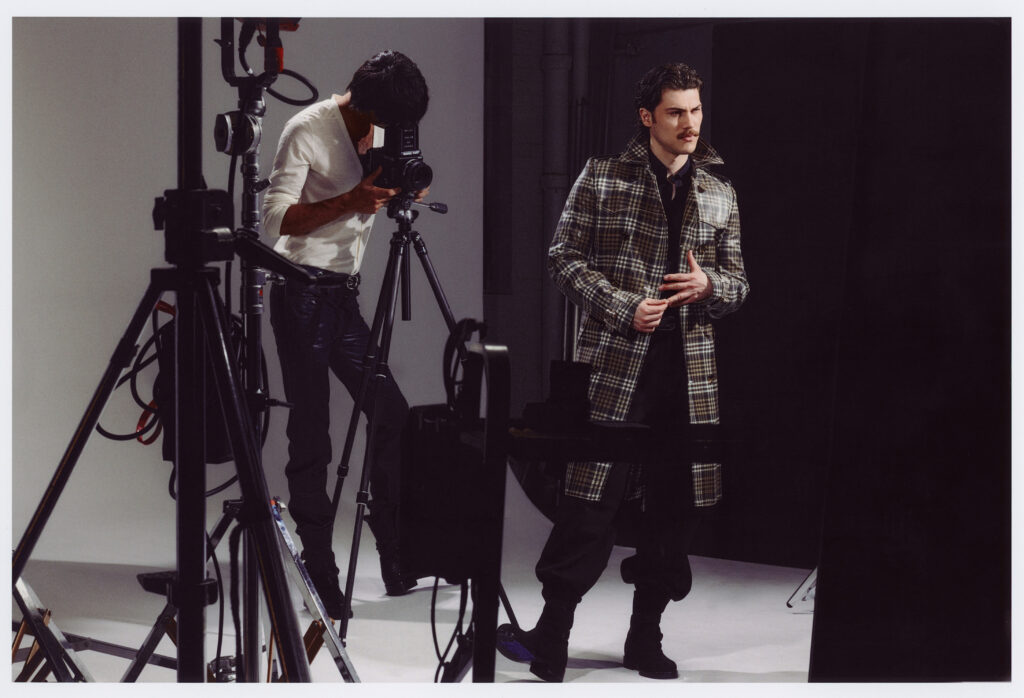
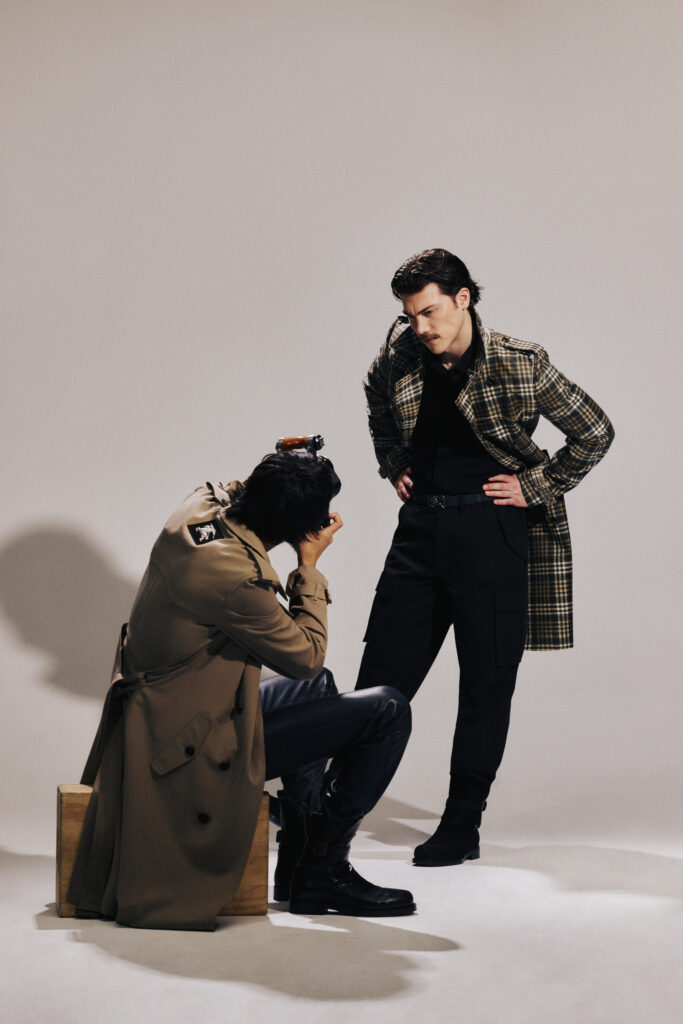
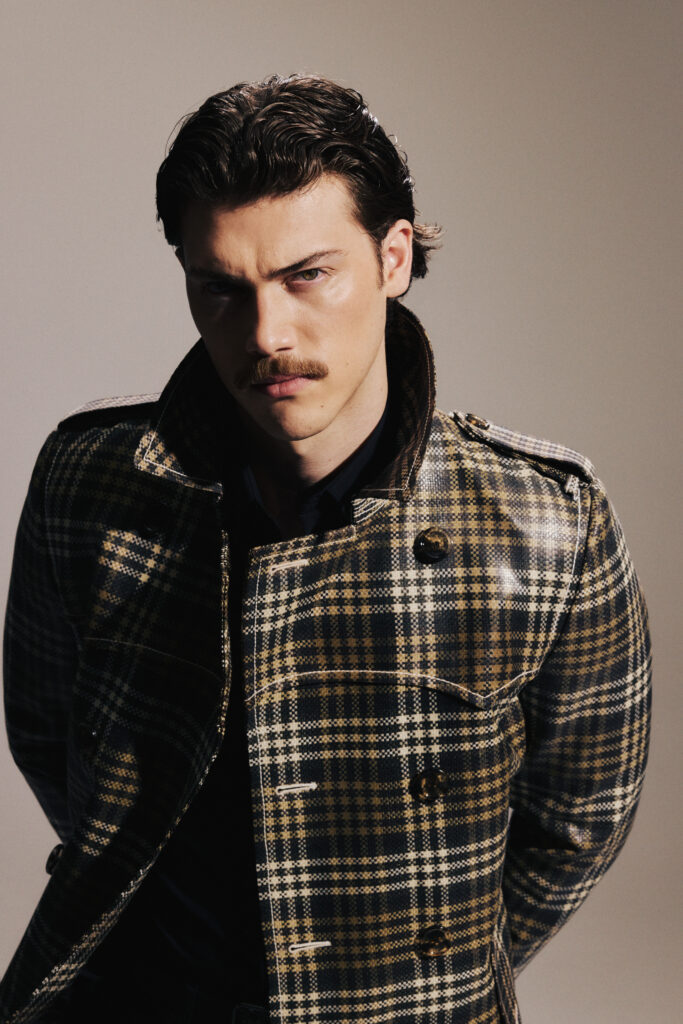
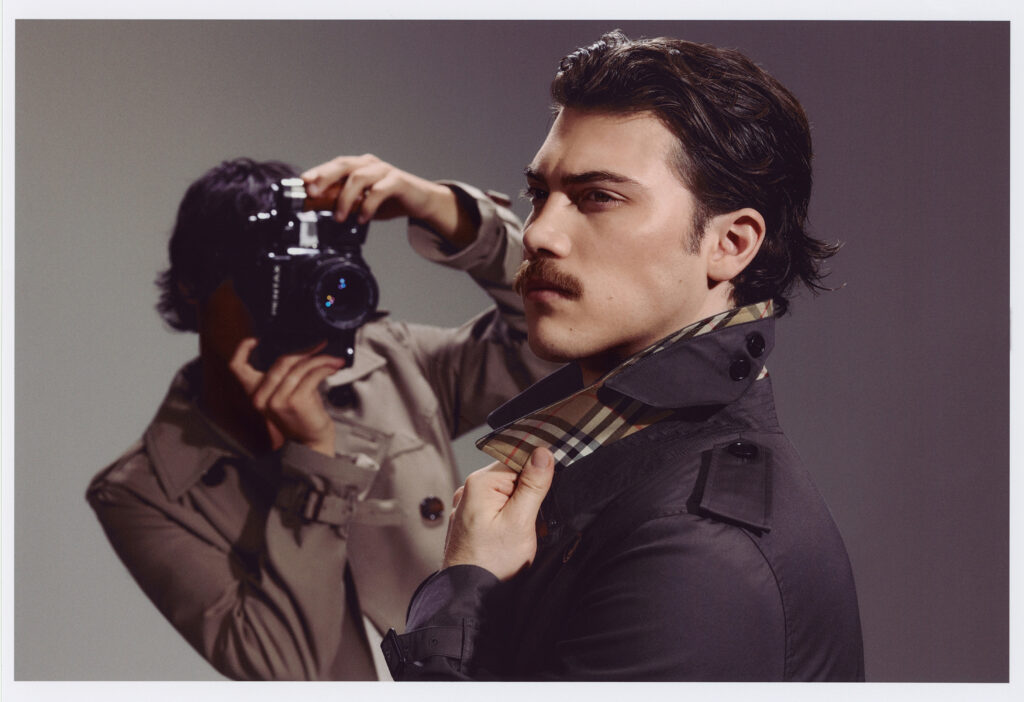
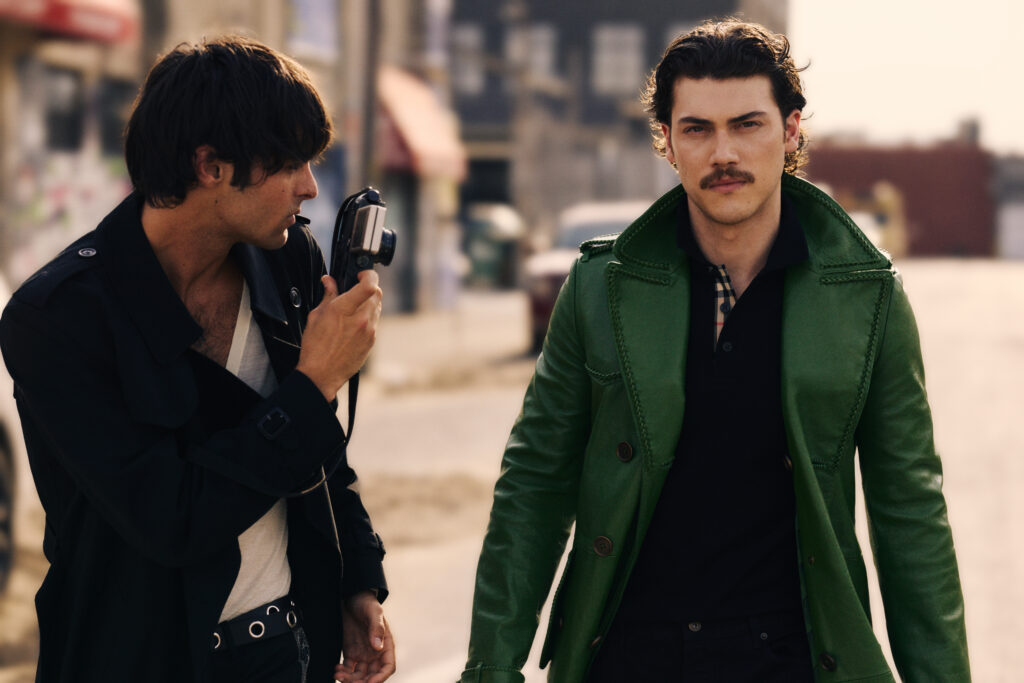
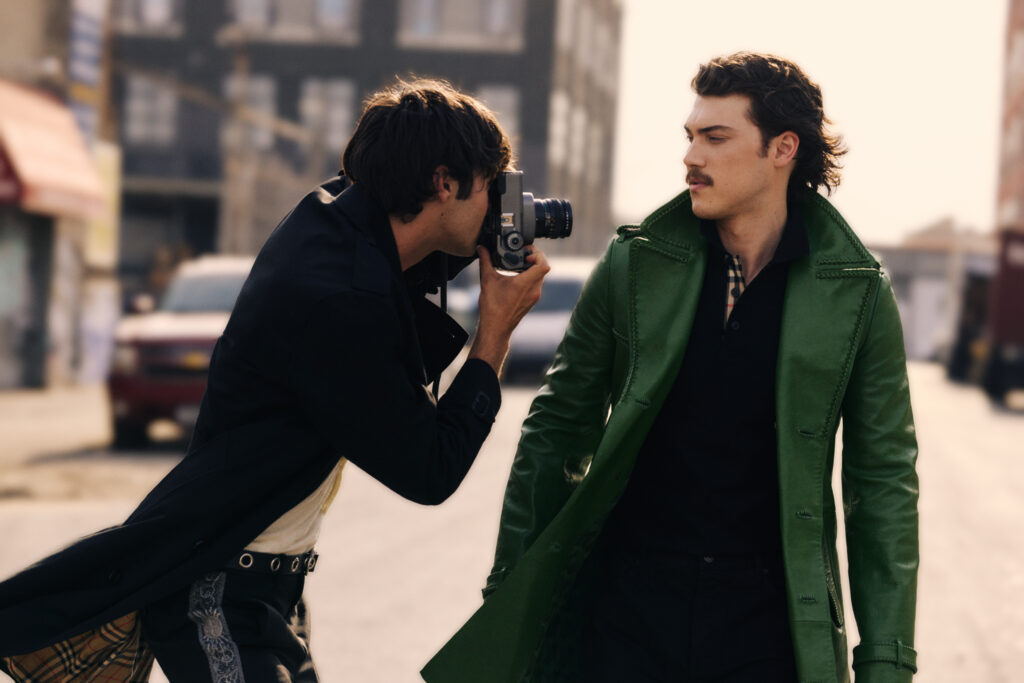
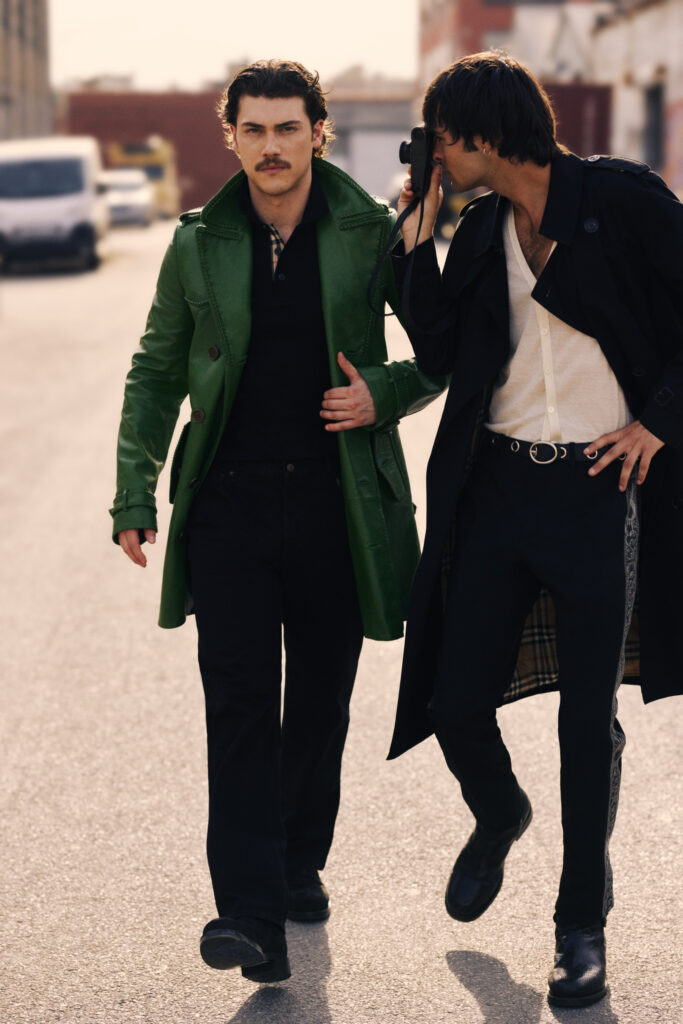
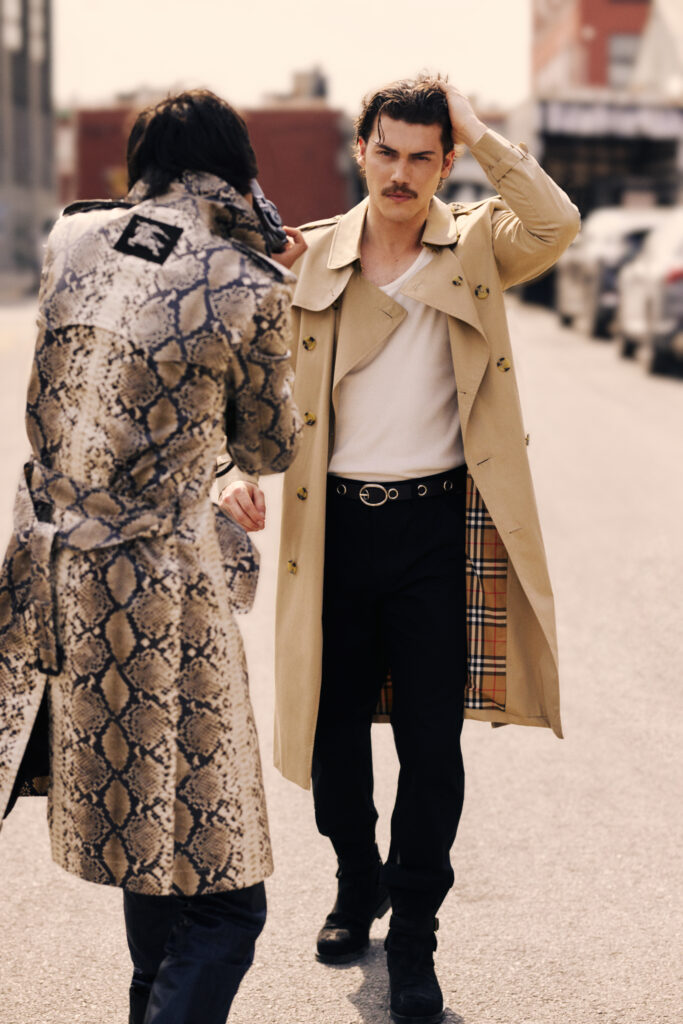
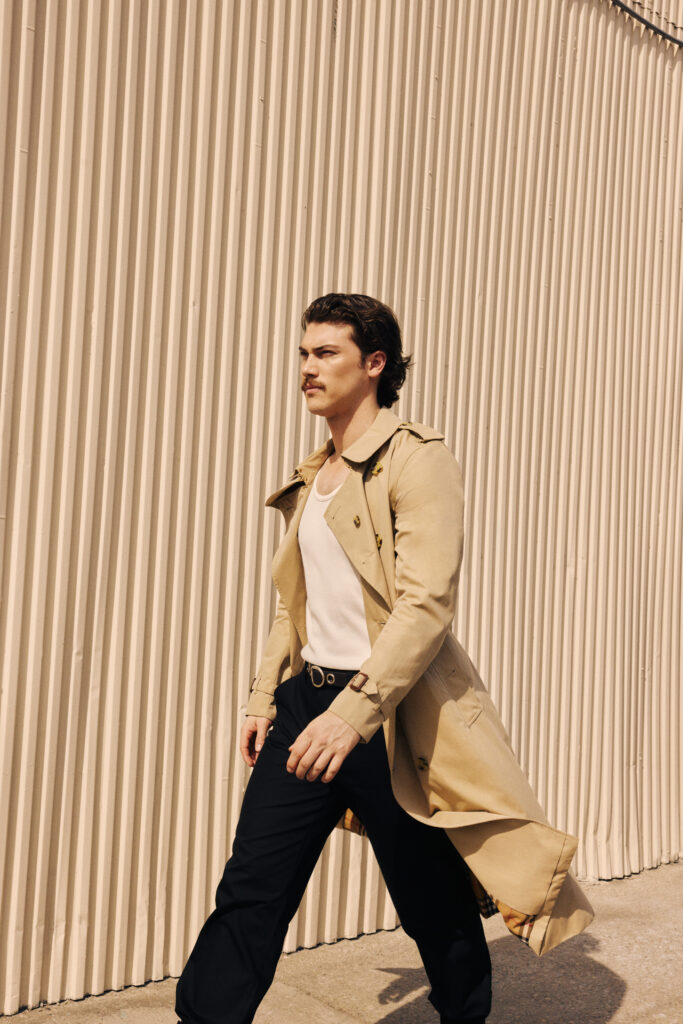
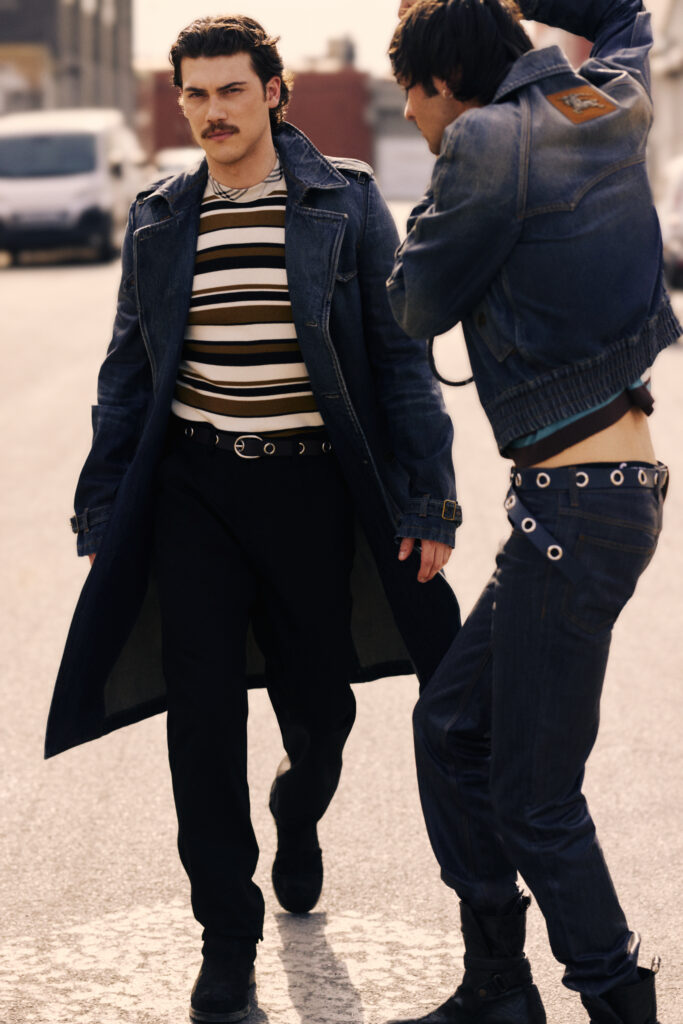
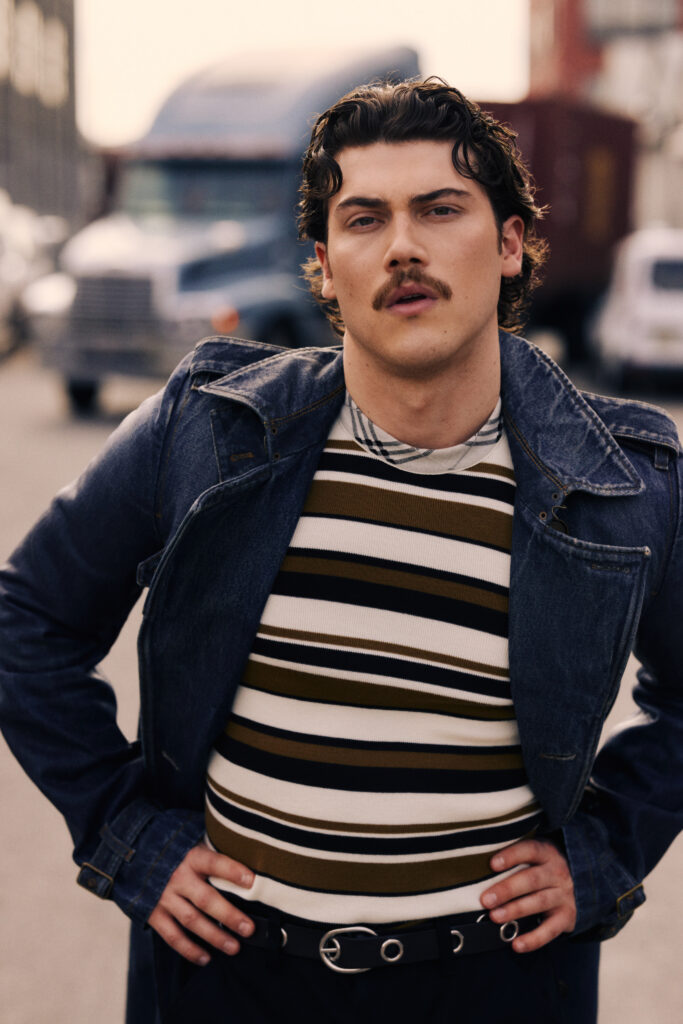
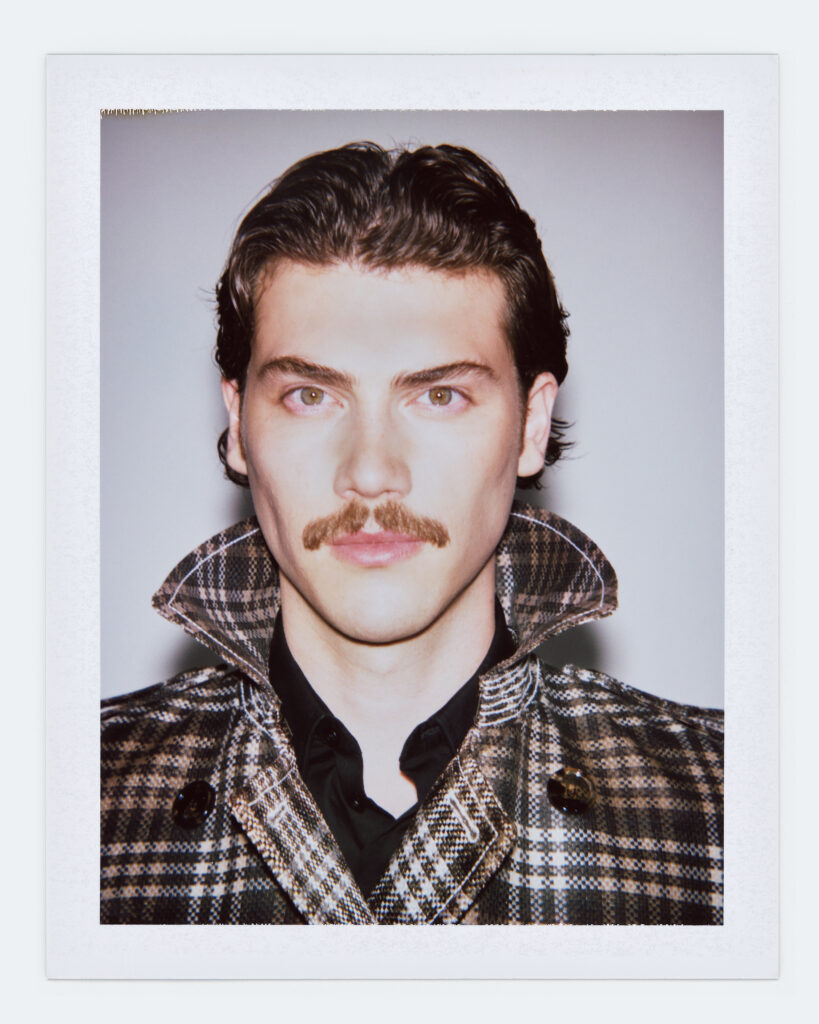
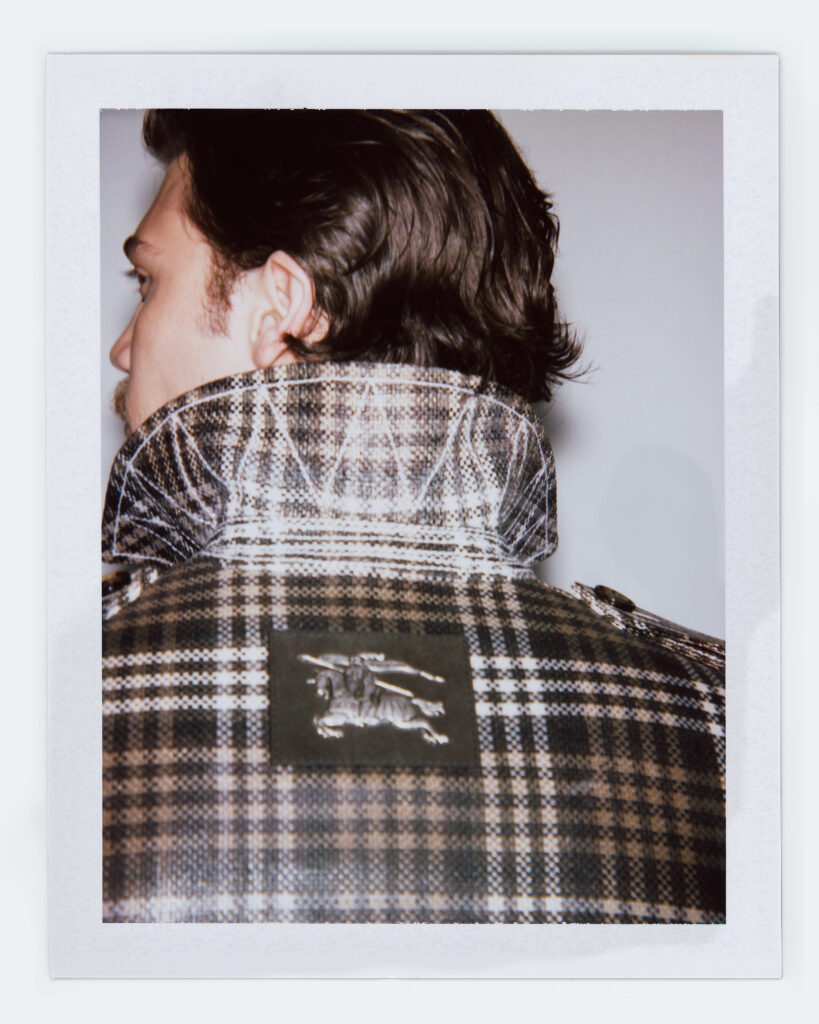
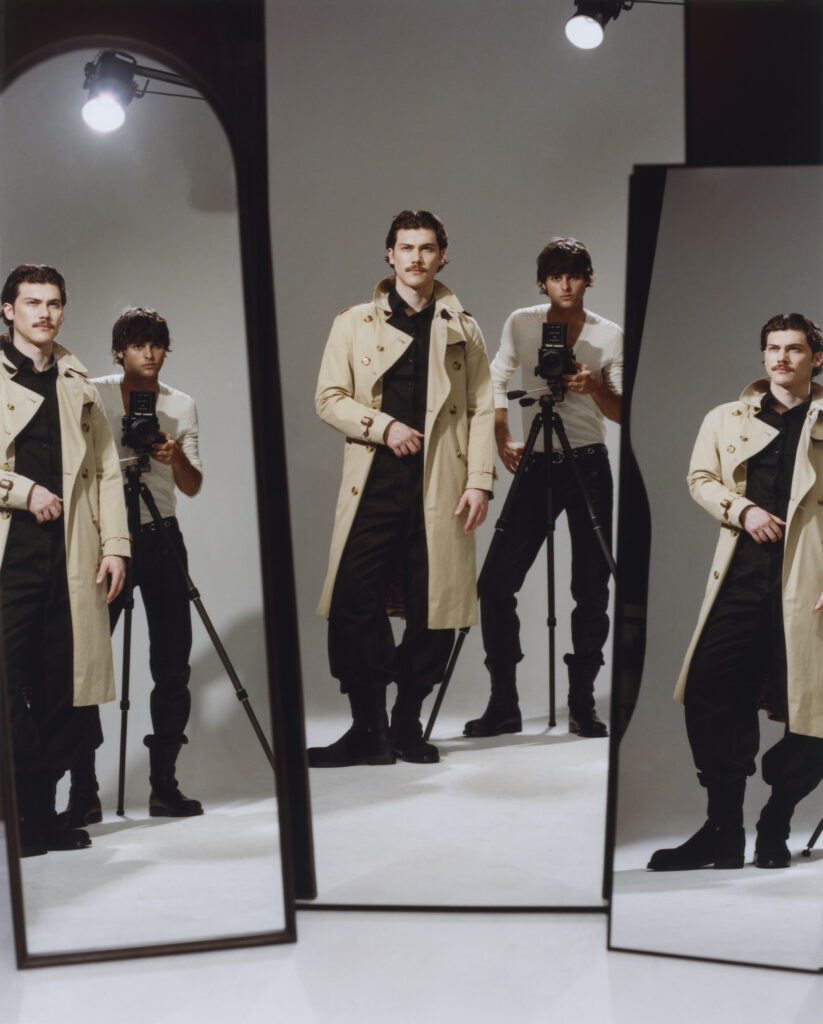
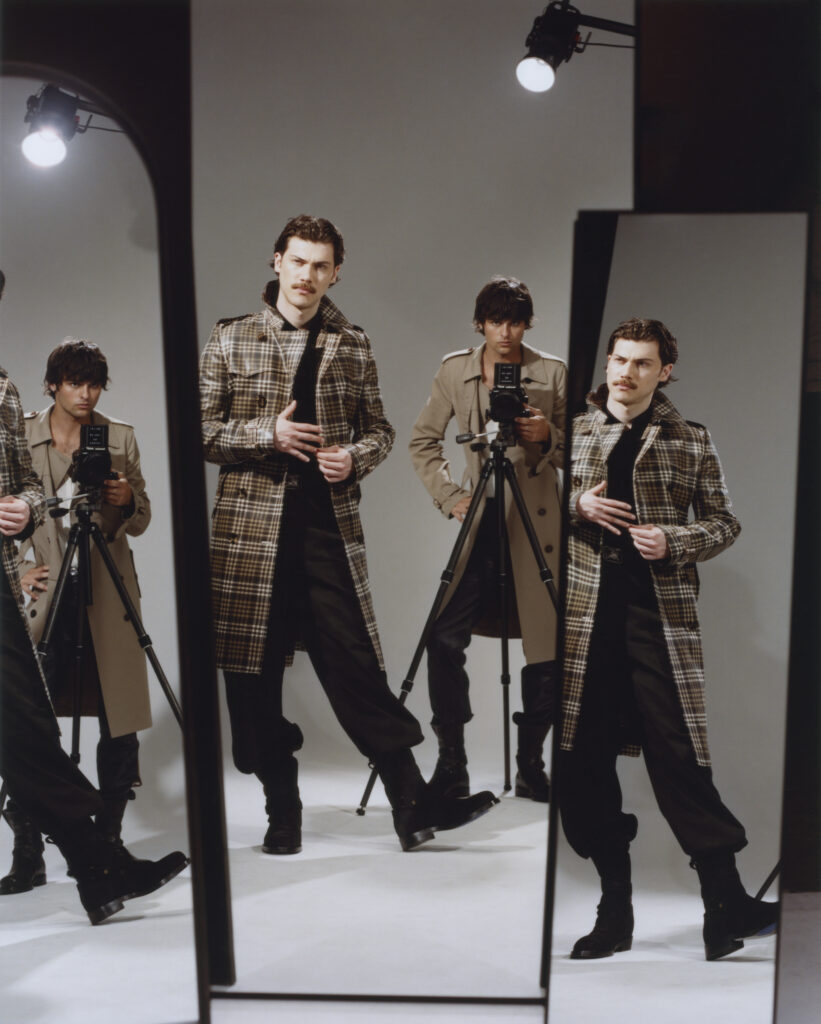
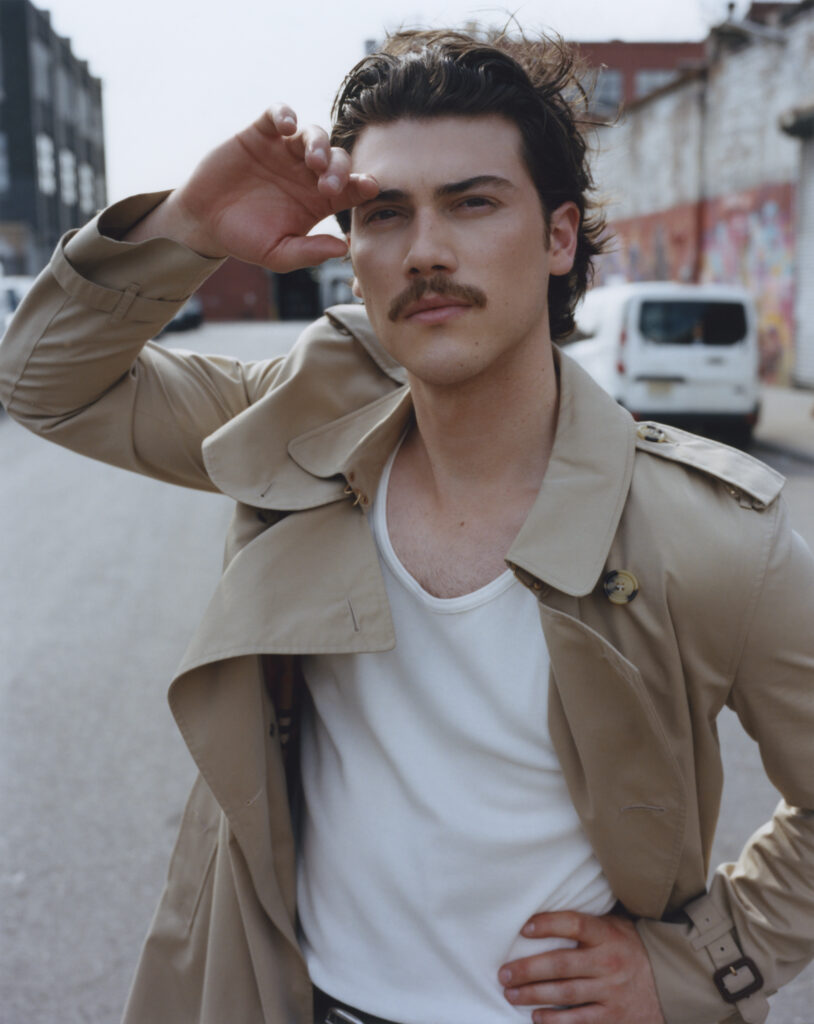
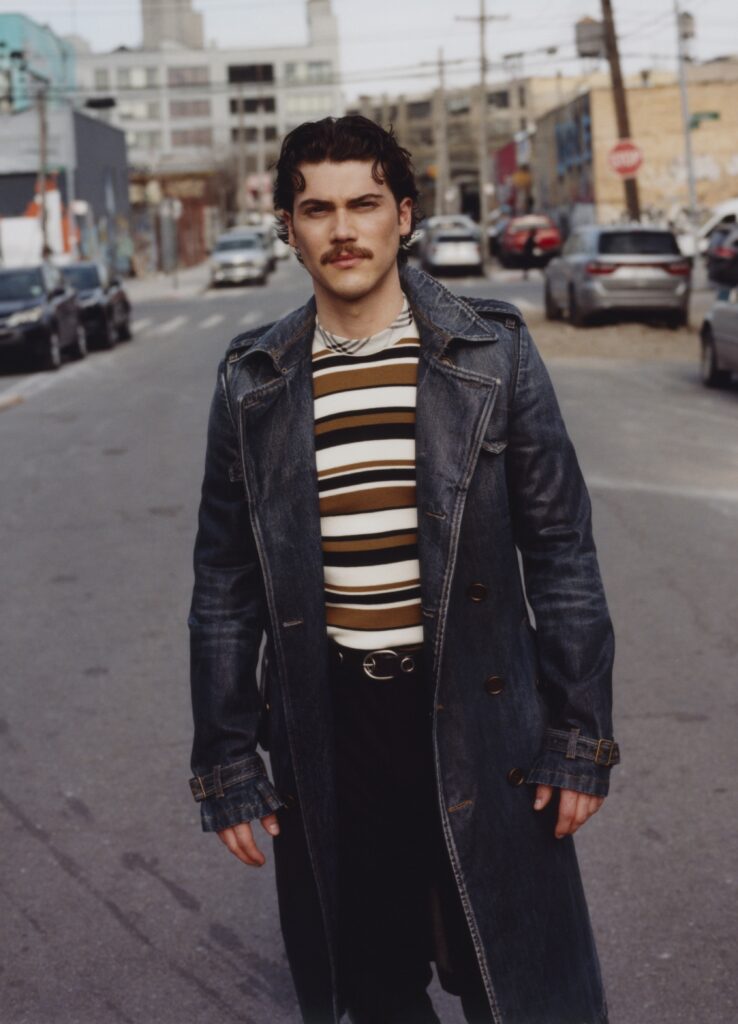
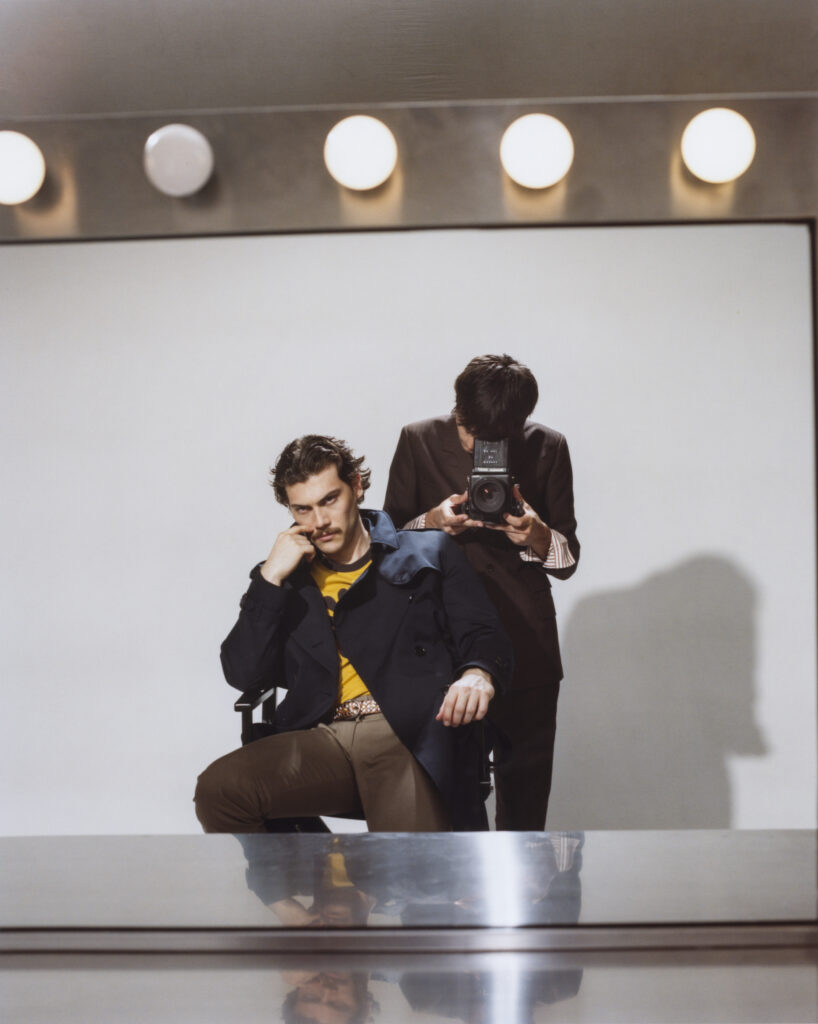
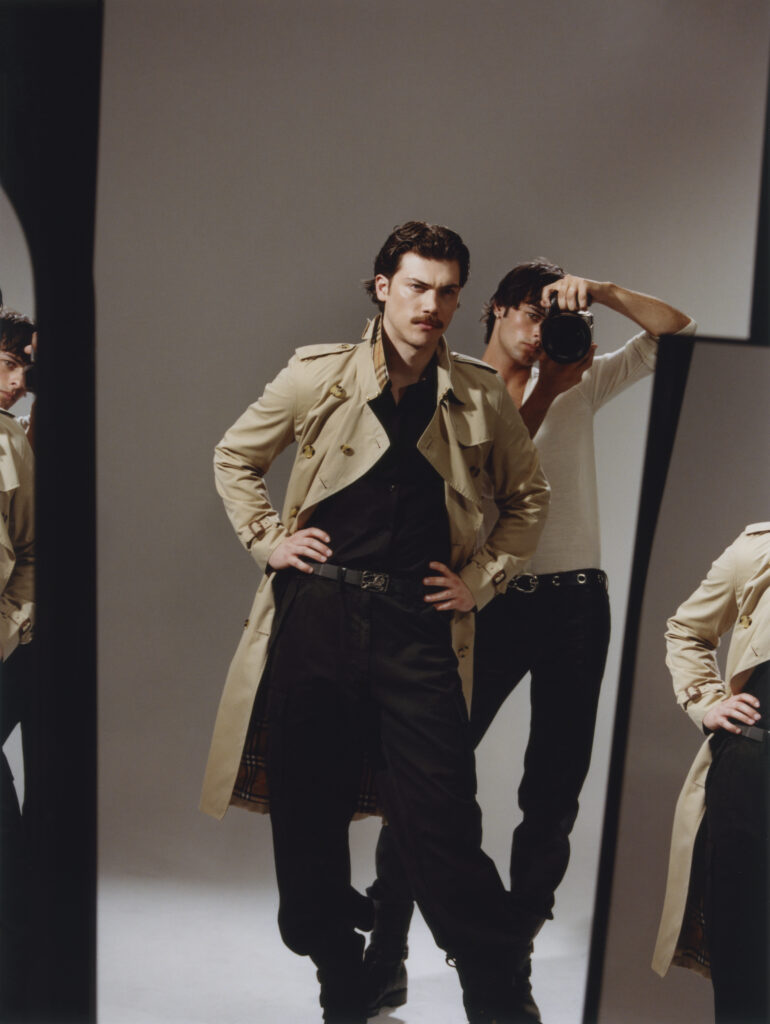
In a world of entertainment driven by quantity—followers, posts, likes—over quality—narratives with substance, jokes with a level of cleverness—Innanen distinguishes himself by offering both. His work carries the creative intelligence that separates him from many of his social media contemporaries. Inspired by Michelangelo Antonioni’s Blow-Up—the 1966 psychological mystery centered on a fashion photographer who may have inadvertently captured evidence of a murder—VMAN photographed Innanen alongside model and photographer Max Tardio, channeling the film’s voyeuristic tension, mod sensibility, and blurred line between image-making and observation.
MATHIAS ROSENZWEIG: Firstly, tell me about the shoot.
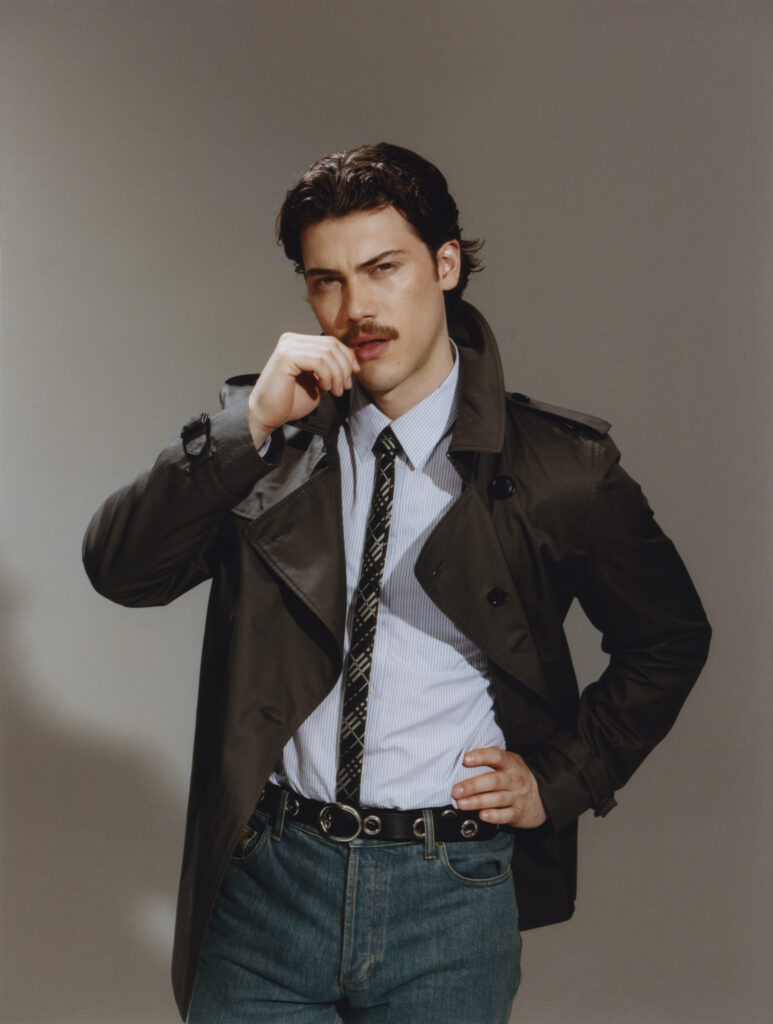
JACK INNANEN: It was so much fun having Max [Tardio] there and doing this together. Because it was inspired by the movie Blow-Up, having another [person] pretend to be the photographer [in the shots] was almost voyeuristic. All of the outside shots were impromptu, and we were in these leather trenches out in the streets of Bushwick. It was spontaneous and beautiful and fun.
MR: Are you enjoying this new world of fashion shoots?
JI: What was so much fun about this shoot for me was that the general idea was just to have fun and be as creative as possible. That’s something I’m learning more and more—it’s so different from acting, but also so similar. You take little pieces of who you are, a feeling or a thought, different subsets of your style, or what you could explore, and then you make that everything for a moment. That’s what makes it fun. In the same way acting explores emotions and builds a whole character, this feels similar, but through fashion.
MR: Back when you were in college studying astrophysics, was being an entertainer or an actor a secret goal of yours, or just something on the periphery?
JI: You nailed it with “peripheral.” It was always an aspiration, but not something I really thought was possible. Acting or Hollywood felt so foreign to me, coming from a small-to-medium-sized town in Canada. That all felt very far away. But I really loved being part of the YouTube generation. I was obsessed with YouTube, the internet, and making videos growing up. I made Minecraft videos, tried stand-up comedy on YouTube in the early days—like 2008, early Smosh era—and even tried vlogging. That felt approachable to me, and I really wanted it, but academics and a STEM career felt more tangible, so that’s what I pursued. When TikTok came around, though, I really had a methodology. I was like, “This is my shot. I need to take this.” It felt like a pipe dream, but I was also kind of psychotically committed. I was posting every day, determined to make it happen. I was manifesting it, realizing it. By mid-to-late 2019, I was weirdly, almost clinically obsessed with making it happen.
MR: Well, people say you need to be a bit delusional to make your wildest dreams come true.
JI: I don’t think it’s delusional, because you can make it happen. It’s cheesy, but that whole idea of whether you think you can or you can’t—you’re right. I think you need that mindset. Obviously, there’s so much luck, and so many other factors involved, but self-advocacy and self-belief really are make-or-break.
MR: When it comes to your humor, where do you get it from? And I don’t mean like, “It comes from my dad.” I mean, do you think it’s fueled by observation? By self-deprecation? By curiosity?
JI: That’s such a cool question. I like that. I think there’s definitely a generational through line. Millennials, Gen Z, and Gen Alpha all have very different types of humor. Millennial humor was often very self-deprecating—the classic “this is as dark as my heart” kind of thing, or that whole bleak, ironic outlook. Gen Z feels a little more absurdist, and Gen Alpha is almost Dadaist in how nonsensical it can be, probably because they’re so media-saturated. I think Gen Z sits somewhere in between. There’s a lot of absurdism because of how chaotic the world has felt growing up, combined with the highest level of media consumption any generation ever had to that point. So I don’t know if my humor was necessarily observational, but I’ve always loved absurdist comedy.
I grew up on web series and shows like Jake and Amir, Whitest Kids U’ Know, and Workaholics—things that were just absurd. Usually, one character is the straight man, and the other is completely unhinged. I always found that hilarious. That kind of humor, or undermining authority, feels very Gen Z, too—like taking something authoritative and making it ridiculous, like imagining the president having a diaper kink or something.
MR: Gen Z doesn’t like authority. I can’t get anyone from Gen Z to do anything.
JI: Authority doesn’t really work for Gen Z. It almost sounds cliché to say, “we’re the new adults,” but I think it’s a very real thing. We hit our twenties and realized, “Oh shit, everyone’s kind of just winging it.” There’s a lot of humor in that realization—that people in positions of power are actually very fallible, fragile human beings. They’re not these untouchable figures. And I think there’s something funny about that, especially as more people in power get exposed for weird or ridiculous behavior. It creates this sense that, at the end of the day, everyone’s kind of a weird person.
MR: Talk to me about the transition from TikTok, where you were uploading your own videos, to being on a set like Adults, where the stakes are higher, and you can’t just delete something that flops.
JI: Definitely terrifying at the beginning—the stakes are scary. I remember walking on set and realizing everyone was there in service of each other. It was this whole ecosystem I was now a part of, and I really had to show up. I couldn’t just flop. My performance and preparation mattered because this was everyone’s full-time job, and they were relying on me to do mine well. That was probably the biggest adjustment, but I quickly fell in love with being part of a machine like that. It felt incredibly fulfilling. You wake up at five, you’re there until midnight, and it’s just go, go, go. So much happens every day. Everything feels heightened, and you’re constantly learning—how to navigate friction, how to joke with people, how to perform, how to handle different personalities.
Creatively, it was amazing too. You learn so quickly—how to write better jokes, how writers work, how directing works. It’s an education. And all of that felt far less lonely than doing things myself online. With online work, it’s fun to have full authority, but there was also something really exciting about the challenge of stepping into something that wasn’t my own writing. The challenge became, how do I embody this character and be the vessel for this comedy? But I fell in love with that process too. It’s really fun to just fuck around on camera.
MR: I imagine also going from the isolation of social media—where you are promoting yourself as an individual—to working with a full cast is also exciting, unless you’re a total misanthrope or something.
JI: Yeah, especially coming out of COVID in Canada. I spent almost a full year making videos in my apartment by myself during lockdown, and that was incredibly lonely. Talk about becoming a misanthrope—I really shut myself off from the world. I didn’t know what I was doing. Then, just a couple years later, I was fully immersed in this collaborative environment. It taught me so much about collaboration—how much I love it, how much fun it can be, and how to navigate it.
MR: What’s it been like navigating the increase in visibility that being on TV brought you, even if you already had some from being a TikTok star?
JI: I think I was somewhat, by design, not a creator who shared personal stuff. There are many creators whose brand is personal stuff, and there’s this parasocial aspect, and I’ve never been one of those people. The biggest change I saw, which was so fascinating, was that I’d been doing it for a while, so I was somewhat accustomed to people being like, “Oh, Jack, I like your videos.” That feels so incredible. Like you said, recognition for work is so, so cool. Especially when it was so lonely. I’m like, “Oh, that’s something I did in my room,” and then in real life, someone acknowledges it.
But now it’s like, “Oh, Paul. What’s up, Paul? I love Paul Baker.” And that was such a strange thing, where this person knows me only as a character I play, and not me. That was definitely an interesting transition, and it emphasized the boundary that I am purely a performer in the acting world. I think it’s so beautiful and so wonderful to have your work appreciated. But anonymity is something I don’t think I could live without. That is so different. I actually quite like that with acting, I am this character only.
MR: I mean, your trajectory is so crazy. One day, you’re making TikToks, and then you’re in the big leagues with Laurie Metcalf and Dan Levy in Big Mistakes. What’s that jump been like?
JI: Yeah, it is not lost on me how crazy that is, truly. I was in the shower before this, thinking about how I wasn’t even really acting two and a half years ago. It’s very surreal. I’m so privileged to do that. I genuinely remember being on set on Big Mistakes, and I would catch myself zoning out because I was watching Laurie and being like, “Wow. She’s killing it. Wow. That’s how I gotta be.” And then I’d be like, “Oh, fuck, it’s my line.” Everyone on that set—Taylor [Ortega], Elizabeth [Perkins], Laurie, Dan—was so on. It really was an education. That all felt very big, like Adults. But that was also an ensemble. We were all equals. It was all kind of our first big thing, and with Big Mistakes, I was like, “I’m in the big leagues. I gotta step up.”
MR: You’re at one of those points in your career where you could try anything you want. What are you looking to explore next?
JI: I’m really interested in exploring darker themes. That’s a fun thing for me to reach toward, and it feels so foreign to what I’ve done before. But my biggest goals truly are that I want to do a rom-com and I want to write my own thing—a comedy series, a film. That is so exciting to me. This community is so full of talent. I see what Dan did with Big Mistakes, and I’m like, that was them sitting at a table, creating all of this. That’s such a fun goal for me. My five-year plan really has that at the top—making and telling stories, and working with people I really love. As a sidebar, I’ve been super into sci-fi books lately, and I would love to write a sci-fi book. That’s also on my five-year plan right now.
MR: Lastly, tell me about being in the world of fashion now, even outside of shoots. Was that something you were interested in before you were on TV?
JI: Getting to be more involved in fashion has been a cool aspect of this whole journey. I’ve always loved it, but I never really advocated for it myself. So working with these brands–apparel and jewelry–and exploring fashion in this way is so much fun. And Brian Meller, my stylist, is the king of helping me figure all this out. It’s similar to what we were talking about—taking aspects of who you are and exploring them fully in these moments. For the Big Mistakes premiere, it was like, let’s construct this [look] around who I am to the show. How do I want to present that, and how do we make this a fun moment—something exciting to explore through fashion?
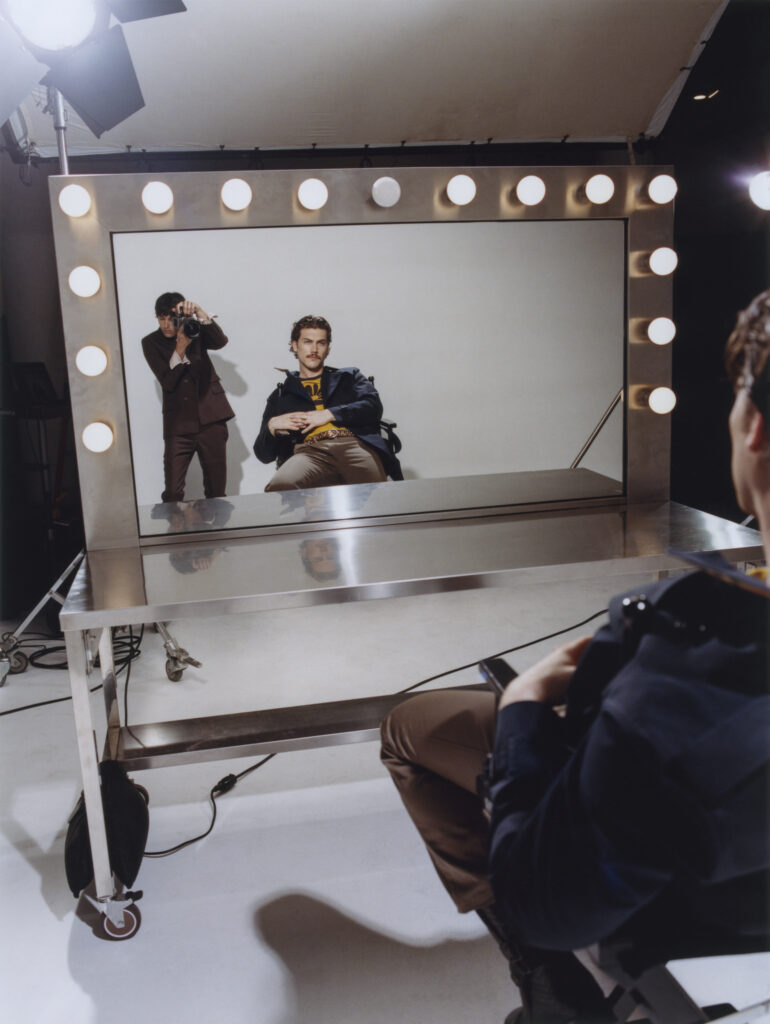
It’s become like an event every month where we sit down and explore this, get creative, and distinguish aspects of my personality, or things I could be, through clothing, through collaboration with a brand, or through jewelry. I find that so much fun. Photo shoots are almost like the perfect excuse. My group chat is literally called dress up—we get to play dress up. This is our little play. I love that, and I love fashion in general. I’m not the best at it in my personal life, but that’s why these moments are so much fun—to dress up every once in a while.
MR: I didn’t really understand fashion until I worked at a fashion magazine. But once you experience real quality and start to understand the artistry, craftsmanship, and storytelling behind it, you start to get what all the fuss is about. It no longer feels shallow.
JI: It’s almost a strange take when people find it shallow because I think it is such a cool art form. Maybe through the commercial applicability of it, it has been deemed shallow, or that has convoluted or muddied the water. But it’s so much like creating a character. Specifically for Paul in Adults, we talk a lot about fashion because there’s so much of a character in what they wear or how they wear it. In this next season, I wear a work uniform, and I was like, how do we make that Paul Baker? It’s so much fun to see how a character dresses, whether they care about how they dress, and how they express themselves. The same is true with Max in Big Mistakes. He dresses, in my opinion, horrendously. It’s super expensive, a little too big for him, some bad fits, and some gaudy gold jewelry. And I’m like, this is the character. I feel most like him once I’m in wardrobe. I really appreciate fashion for that big time. It builds a character, or a person, in real life.
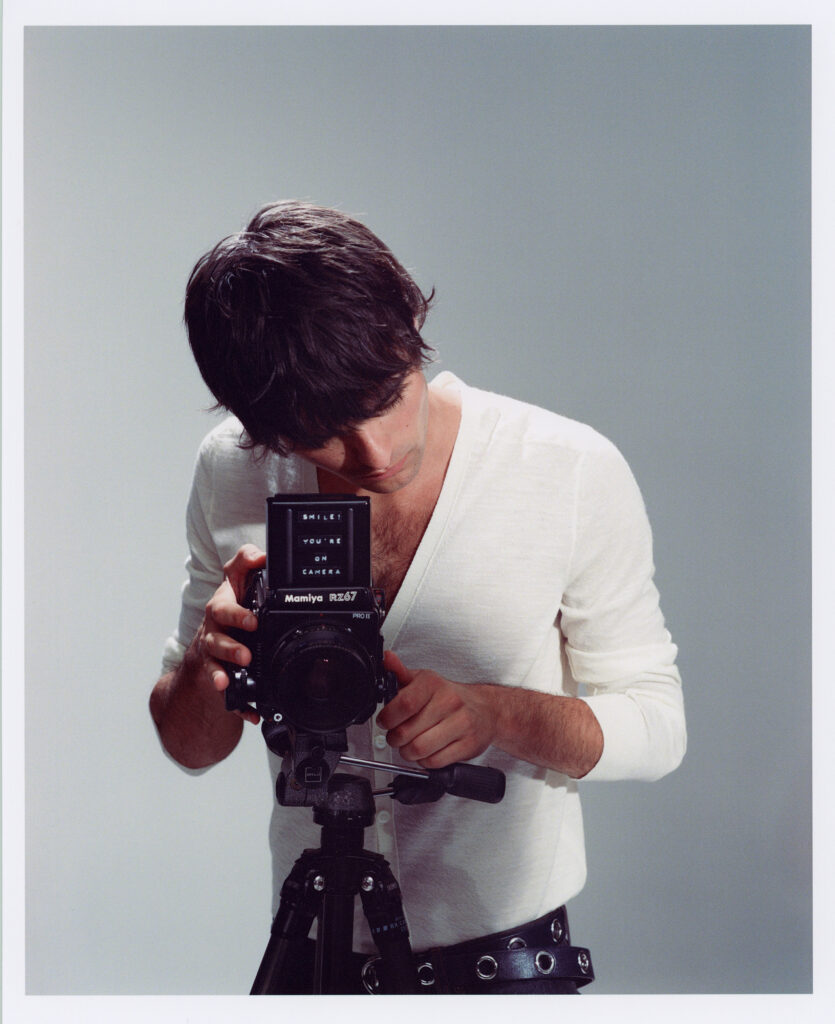
Photography Emmanuel Sanchez Monsalve & Max Tardio
Fashion Brian Meller
Creative Director / Editor-in-Chief Stephen Gan
Interview / Digital Director Mathias Rosenzweig
Grooming Michelle DeMilt (Tomlinson Management Group)
Editor Kev Ponce
Fashion Market Editor Copelyn Bengel
Photo Assistants Christopher Smith, Anna Rhody
Fashion Assistant Sam Bensoussan
Director of Editorial Film Mynxii White
Location AGX Brooklyn
Production Tianyun Lan
Discover More