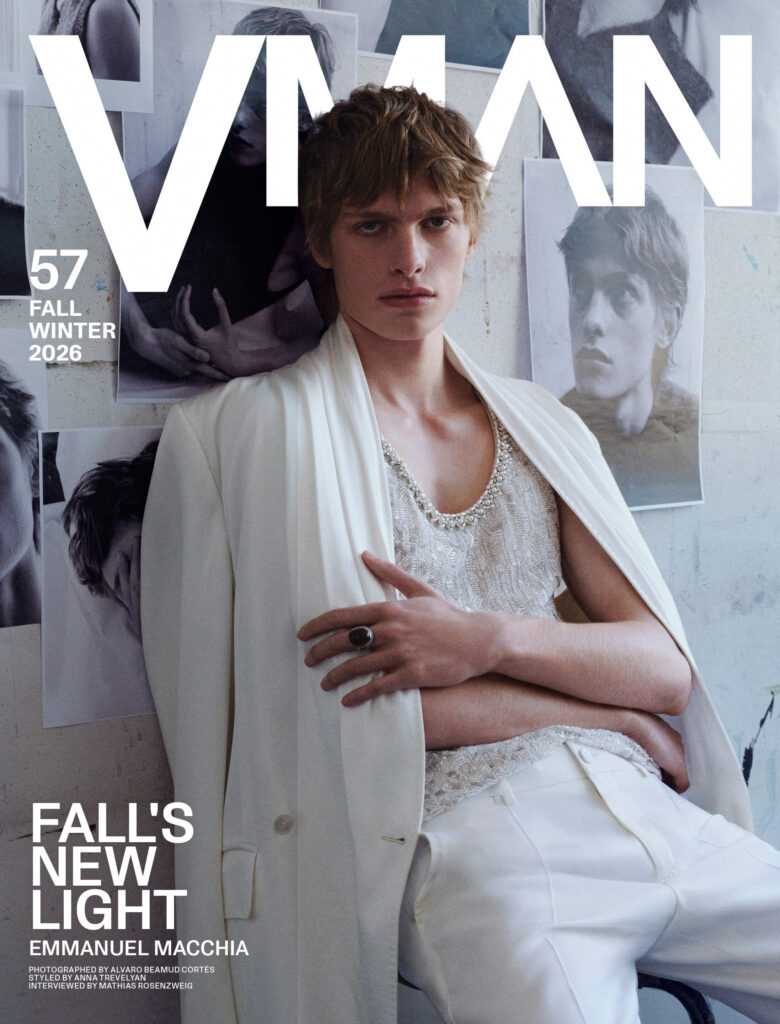
VMAN 57: Fall’s New Light With Emmanuel Macchia
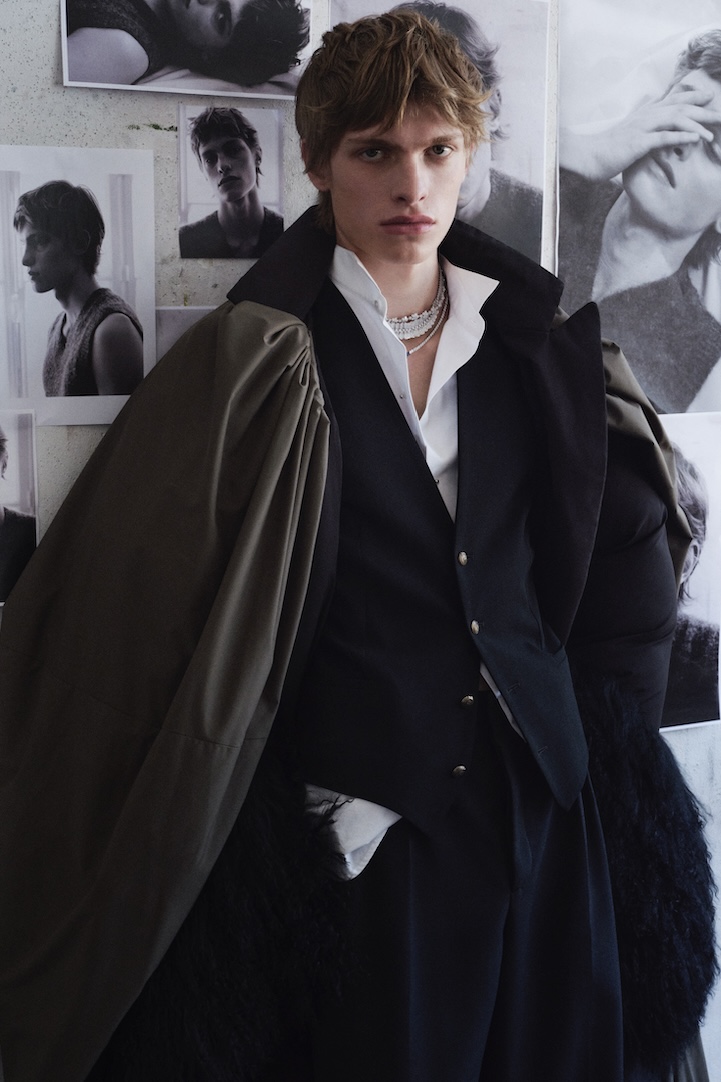
Cannes-winning newcomer, the actor reflects on growing up, finding his way, and a life transformed by his first-ever acting role
In Le Petit Prince, author Antoine de Saint-Exupéry famously wrote, “all grown-ups were once children…but only a few of them remember it.” Belgian-Italian actor Emmanuel Macchia, who bears an uncanny resemblance to the illustrated novella’s protagonist, seems determined not to forget. Discussing what winning Best Performance for an Actor at Cannes means to him, the 20-year-old returns not to memories of the red carpet but to memories of the child he once was (to be fair, it wasn’t all that long ago). Speaking with Macchia, it’s impossible not to fixate on just how young he is. It’s all the more poignant considering his character Pierre in Coward, which arrives in U.S. theaters December 25, is a World War I soldier fighting alongside other teenagers and young men barely into their twenties. Like the Little Prince himself, who wanders the galaxies in Saint-Exupéry’s classic, Macchia carries a quiet sense of wonder, still processing the overnight success of having never acted before, only to find himself beating out international film royalty at one of the world’s most prestigious competitions. The film is a story of self-discovery and maturity that places these soldiers under a microscope, searching for the moment a boy becomes a man. For Macchia, however, that search extends beyond the screen. In conversation, he speaks less about awards than about growth, encouraging his younger self to simply “continue.” He describes the Coward experience as one that forced him to grow up almost overnight. It’s a perspective that makes his Cannes victory feel less like the end of a journey and more like the beginning of one.
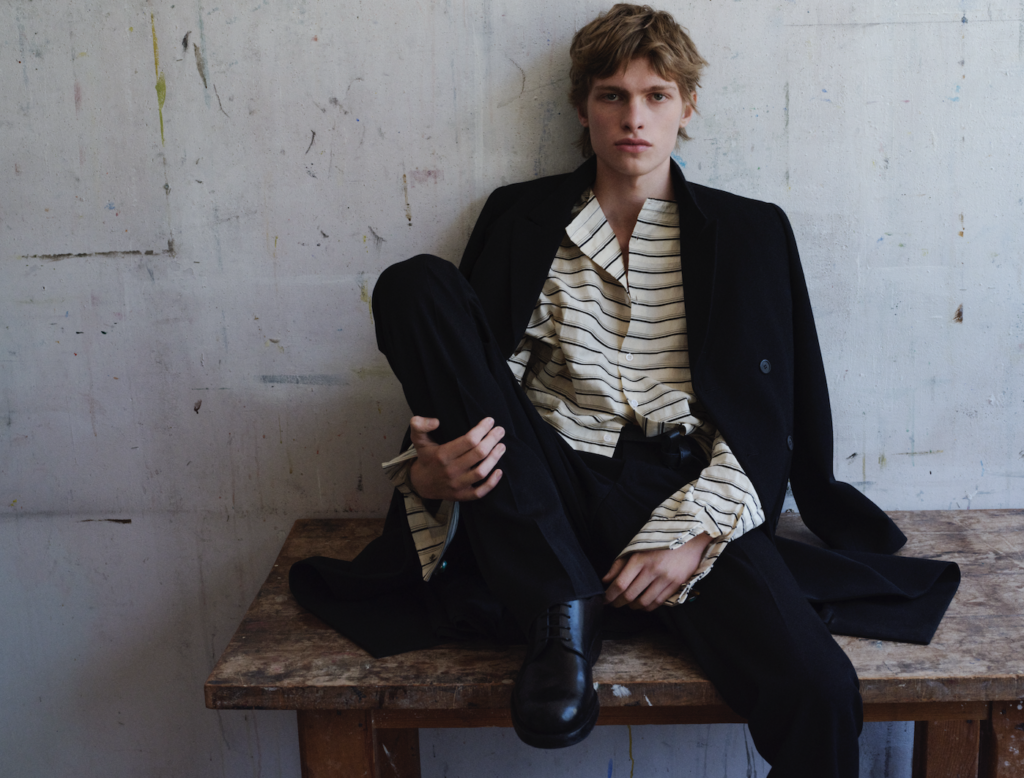
MATHIAS ROSENZWEIG: Hi there. It’s great to see you again. We met briefly after Dolce & Gabbana—your first-ever fashion show.
EMMANUEL MACCHIA: Yes, I remember. It feels so long ago.
MR: All of this is very new to you—did you have plans to become an actor? How did you view your future?
EM: I wasn’t expecting to be an actor because I had a lot of difficulty showing my emotions. In Europe, you have to “be a man,” you know? You can’t really show your emotions. I thought, “If I can’t show my emotions, it’s not possible to be an actor.” When I was a kid, I did try to get rid of my shyness. But I didn’t ever do it. I did want to work in cinema but behind the camera, like being a director or working with the image somehow. But Lukas found me when I was in school, [where I was studying] architecture, landscape, and gardening. I didn’t know if I wanted to do that anymore—I wasn’t happy with those studies. I realized I wanted to help people, possibly with the environment, and to do something with the arts. I wanted to combine all those things. I also wanted to do social work as a volunteer.
MR: How did you find the courage to get in front of the camera and film a full movie as a self-described shy person?
EM: We had a lot of preparation for about three months with Lukas to get to know each other and feel comfortable. We also trained for acting, but it wasn’t a lot. Also, some training for dancing, singing, and performing. In terms of having the courage to act in front of the camera…I don’t know where it came from. I just did it. I had no choice. And I wanted that—it was my dream. But it was complicated. I remember one scene, there were maybe 100 background actors just looking at us as we improvised. It was odd for me.
MR: I can understand how intimidating it is to have 100 people looking at you as you film something. But that is the new normal for you—at Cannes, at Fashion Week, there are hundreds of people looking at you. Online, there are thousands. How have you handled that transition?
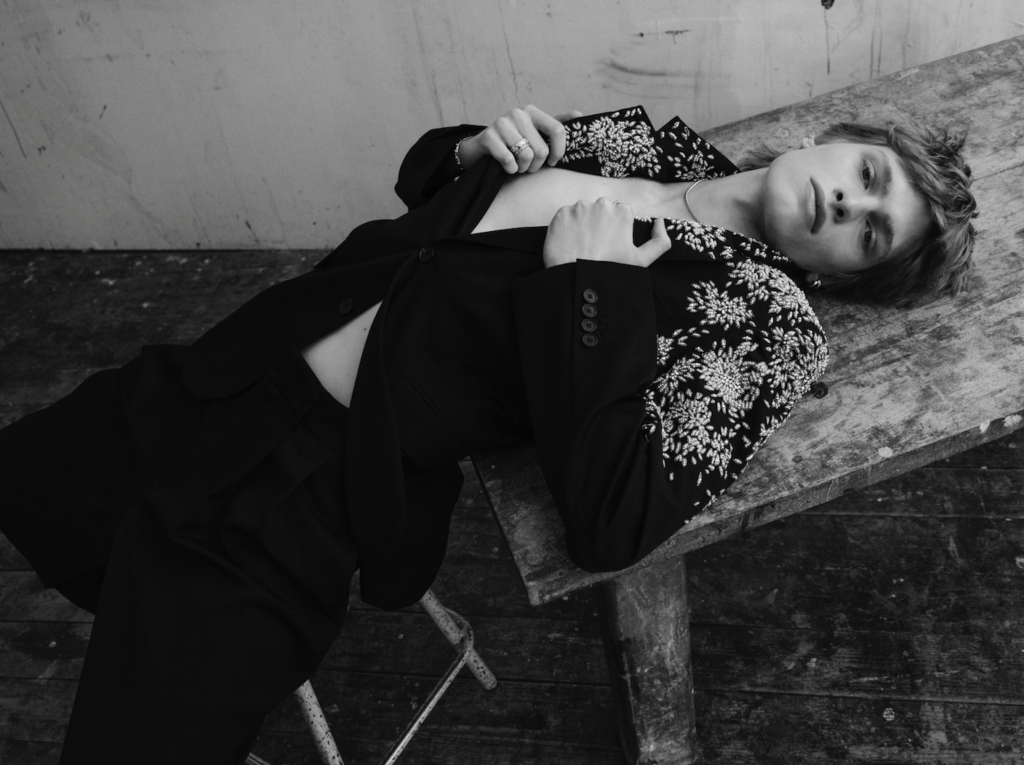
EM: It’s a big, big change. Because, like Pierre, I’m not someone who likes to be in the spotlight, in the middle, shining and everything. And during the shooting, it was the opposite. All the background people were like, ‘Wow, this is an actor, and he’s playing [a role].’ But I wasn’t really an actor at the beginning, so it was strange. A lot of the background people were also saying, ‘I want to be like you, and I want to act like you.’ And then at Cannes, I think the first day, no one really stopped me in the street. But after the screening of the movie on May 21st, a few people started stopping me and saying, ‘Ah, it’s a good movie.’ Then after the ceremony, it wasn’t possible to walk in the street. They were stopping me everywhere. If I was talking with one person, there were, I think, 30 people around me, and I couldn’t get away. It just wasn’t possible. People were even waiting for me outside the party until, I think, four a.m. or even six a.m., with flowers and big photos of me. People were talking to me and shaking [my hand], as if I was “someone.” It was so strange.
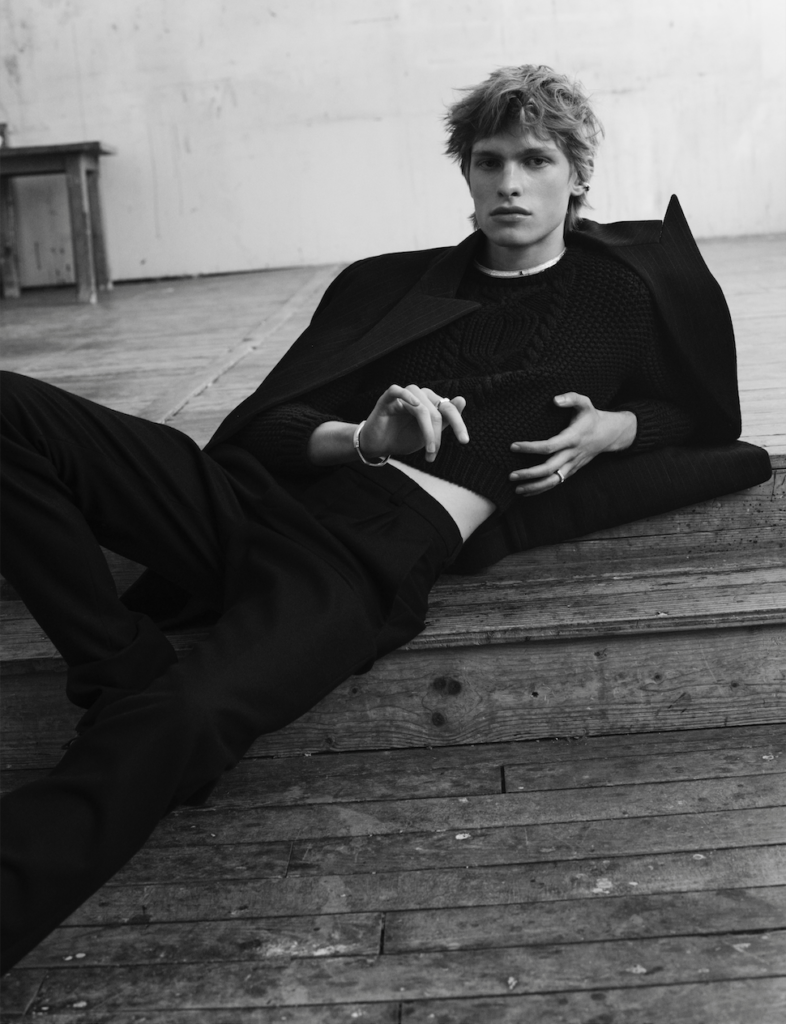
MR: Well, you are someone now. Were you surprised when you guys won the award at Cannes?
EM: Yeah, of course. I wasn’t expecting that. We weren’t expecting it. And also, I don’t know if you saw the actors who could have won the [Best Performance for an Actor] award at Cannes. There was Rami Malek, Javier Bardem, Vincent Cassel, and Karim Leklou—and then there was us, two guys who were 22 and 23 years old.
MR: It feels like you’re still processing what happened.
ER: Yes. It’s not possible. It’s really not possible.
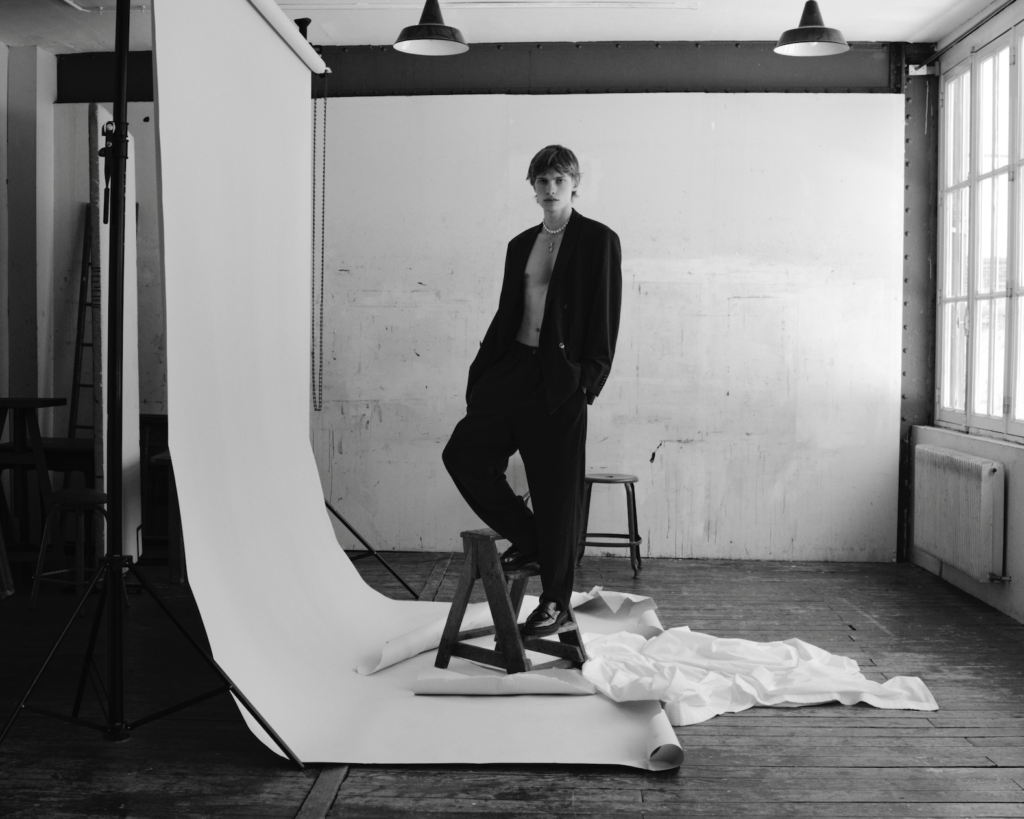
MR: You talked a bit about being young and having trouble fitting in. Now you’re a renowned star. What has that transformation taught you about success?
ER: I think to never stop. When I was a child, I had a lot of complications in school. I had a handicap, but the kind that you can’t see. I struggled for quite a lot of my life to fit in where I wanted to fit—a group, a class in school, in relationships. I think everywhere. And I never stopped trying. And I’m here now. But I think success is about never stopping.
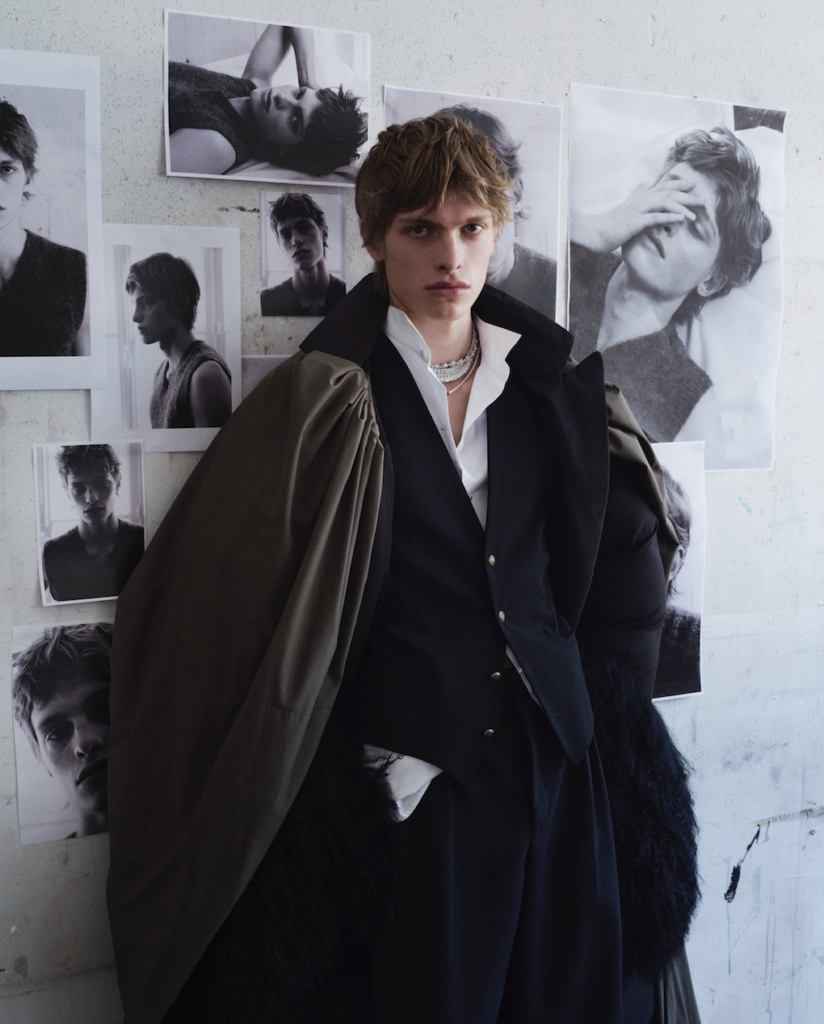
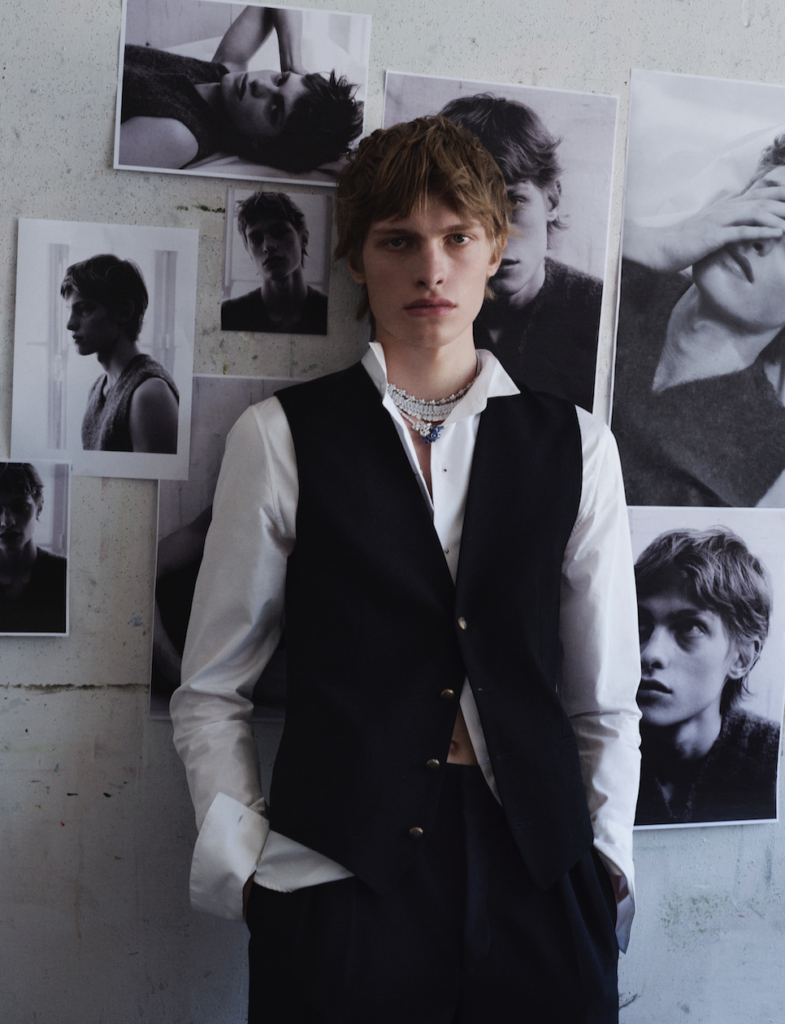
MR: The film is really about young people being forced to grow up quickly. Obviously, what you’ve experienced is very different, but you’ve also been thrown into this whirlwind at a young age. Did that theme of suddenly having to mature resonate with you, either through your character or your own experience?
EM: Yeah, but also in the real world, some of the soldiers were even younger than us. We were already a bit too old to play characters like them. But yeah, I felt I grew up a lot during the shooting, during the whole experience. I can imagine how those people grew up because it was a real event. We were only in the trenches for eight or ten hours, then we could go back to the hotel, sleep well, and know we weren’t going to die. For those kids, it would have been brutal. I can relate to Pierre and all those people who were forced to grow up fast because I suddenly had a lot of responsibility on my shoulders really quickly. Even just presenting the film at festivals—it was only me and Valentin. That was crazy.
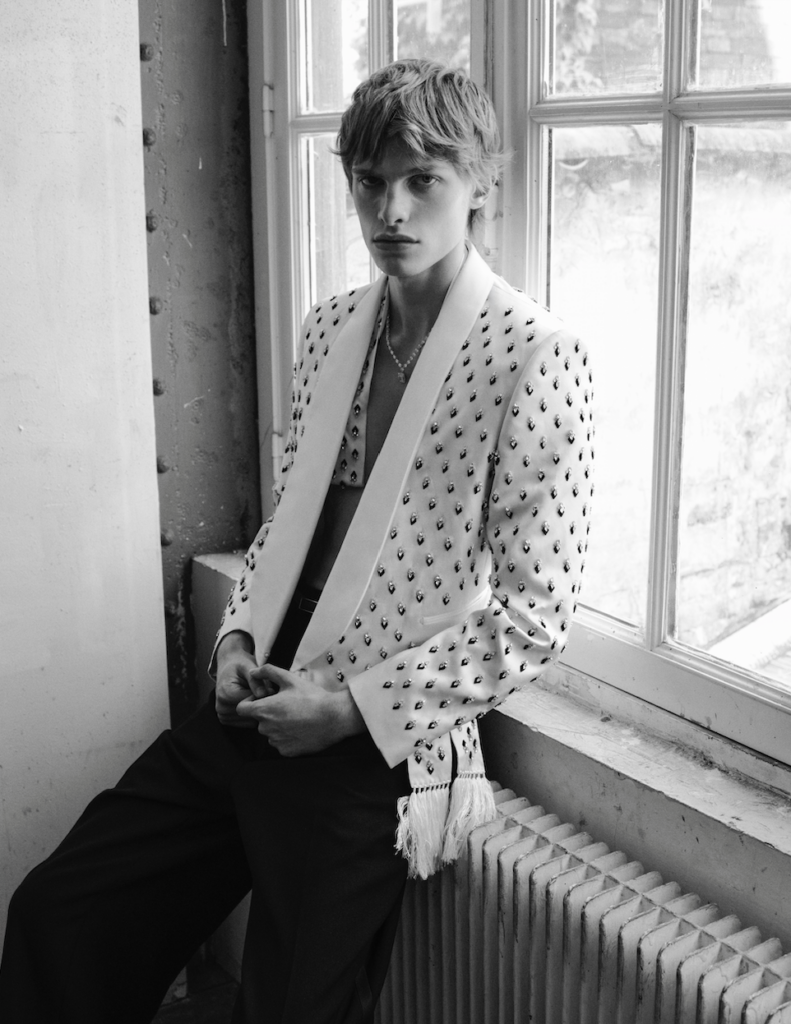
MR: You said you struggled a lot as a kid. What would you tell that young boy now, given the new perspective you have after this achievement?
EM: I would just say, “continue.” You’re going to find your way. I think everyone finds their way if they never stop. I would also tell my younger self to embrace who he is. Like I said on stage when I won the award, you have to love yourself, accept yourself, love other people, and accept them too. I think that’s the best thing ever. A lot of times during the shooting, I kept thinking, “I’m doing this for my younger self.” For me, when I was a child. I know he would have been happy—more than happy. He would have been amazed.
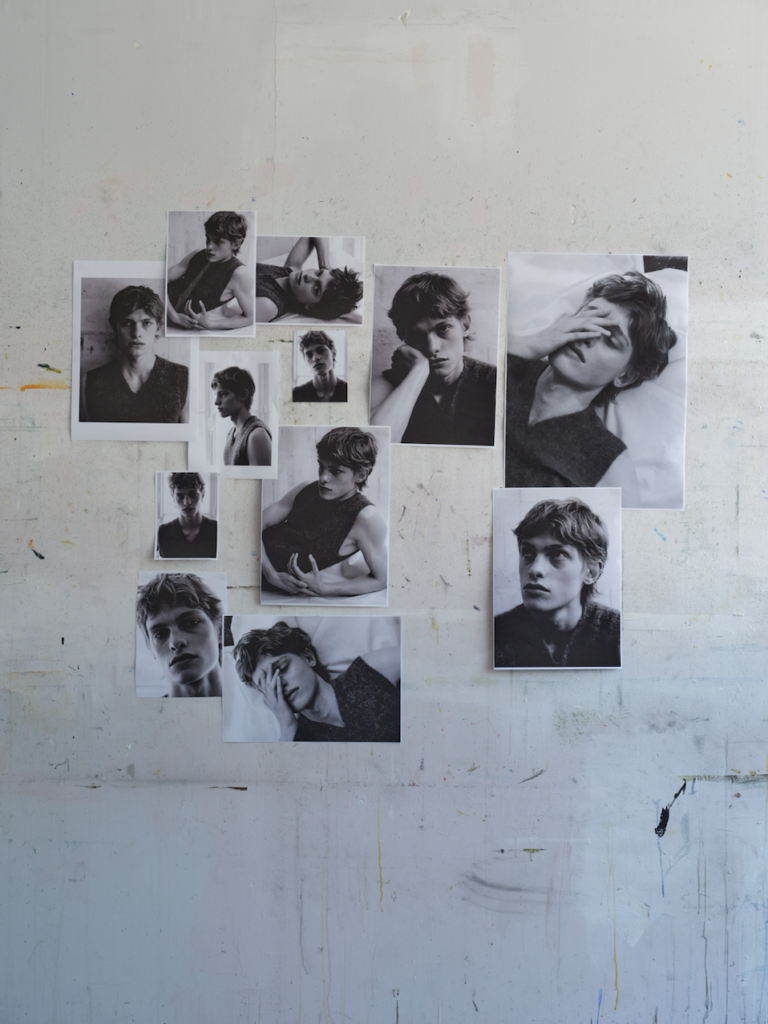
This cover story appears in the pages of VMAN 57: now available for purchase!
Photography Alaro Beamud Cortés
Fashion Anna Trevelyan
Creative Director / Editor-in-Chief Stephen Gan
Interview & Text Mathias Rosenzweig
Makeup Elena Andrea Bettanello (Julian Watson Agency)
Hair Mijo Majhen (Interlude Project) using Bumble and Bumble
Casting Greg Krelenstein (GK-LD)
Editor Kev Ponce
Fashion Market Editor Gabby Buchan
Production Margaux Denis & Antonio Lonis (Interlude Project)
Digital Operator Mitko Frangov
Photo Assistants Simone Triacca & Remi Desclaux
Styling Assistant Amy Ta
Hair Assistant Khaoula Driouech
Post Production Camillo Bernardi Studio
Cinematographer Simone Triacca
Discover More