Willy Chavarria Taps Into His Pastel-Tinted Memories
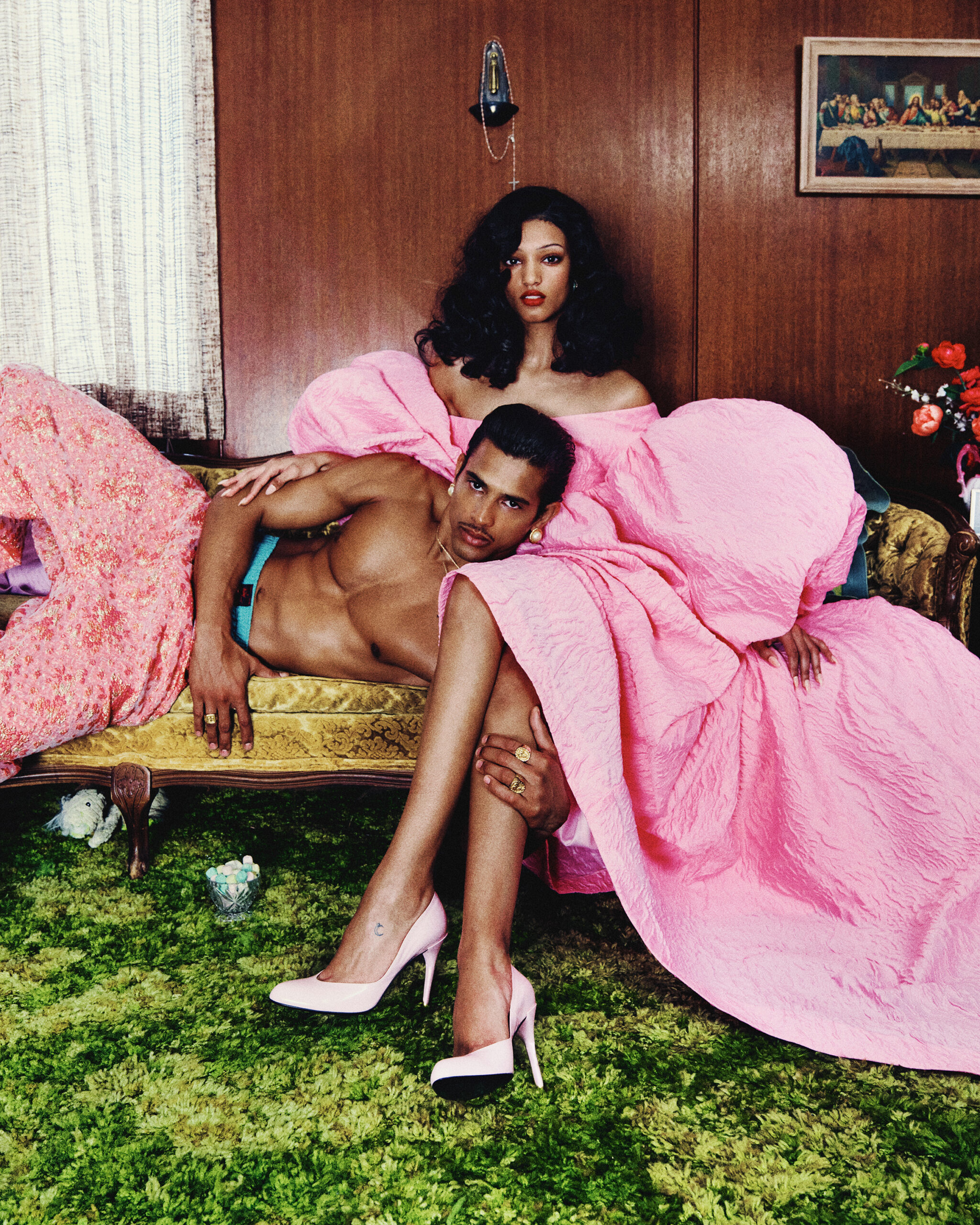
In a new editorial, the designer revisits his Spring/Summer 2026 collection, awash in preppy pastels that spill across both the clothes and the set
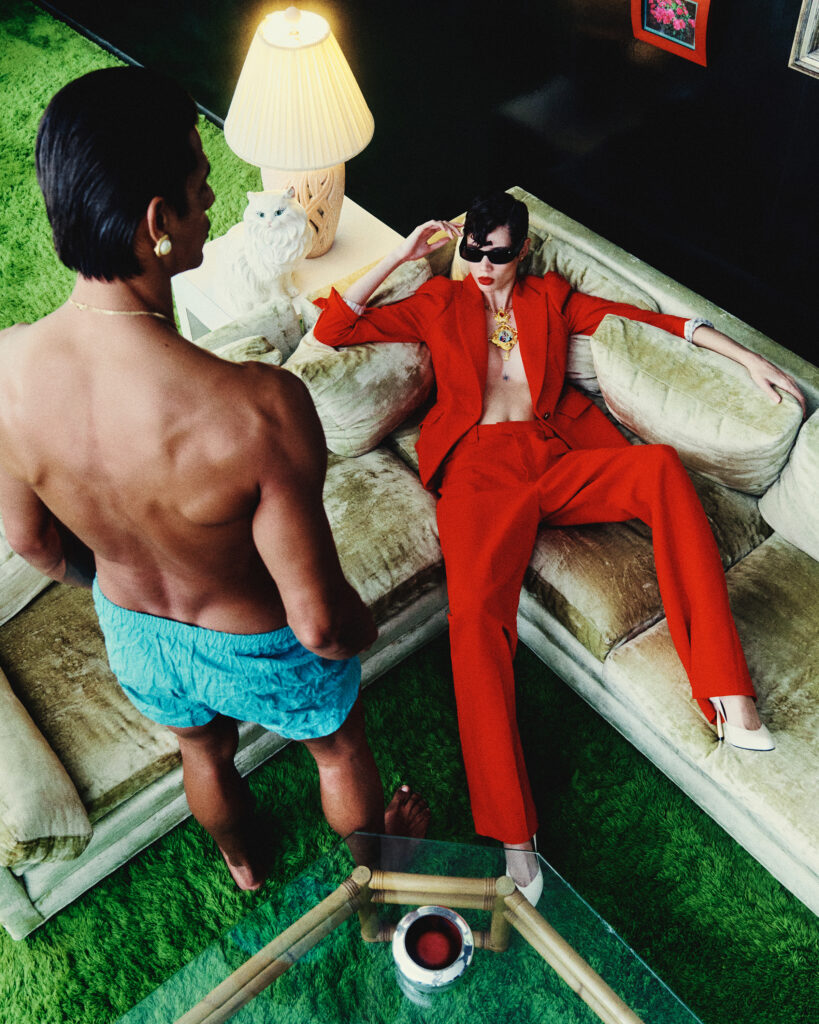
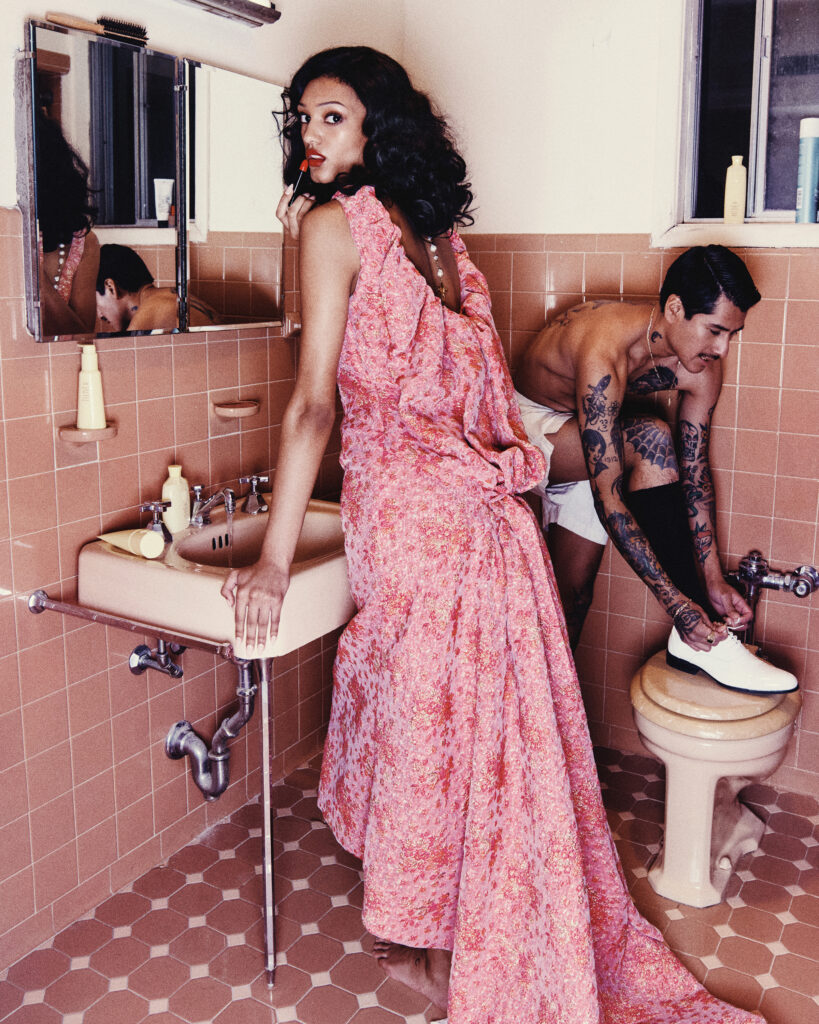
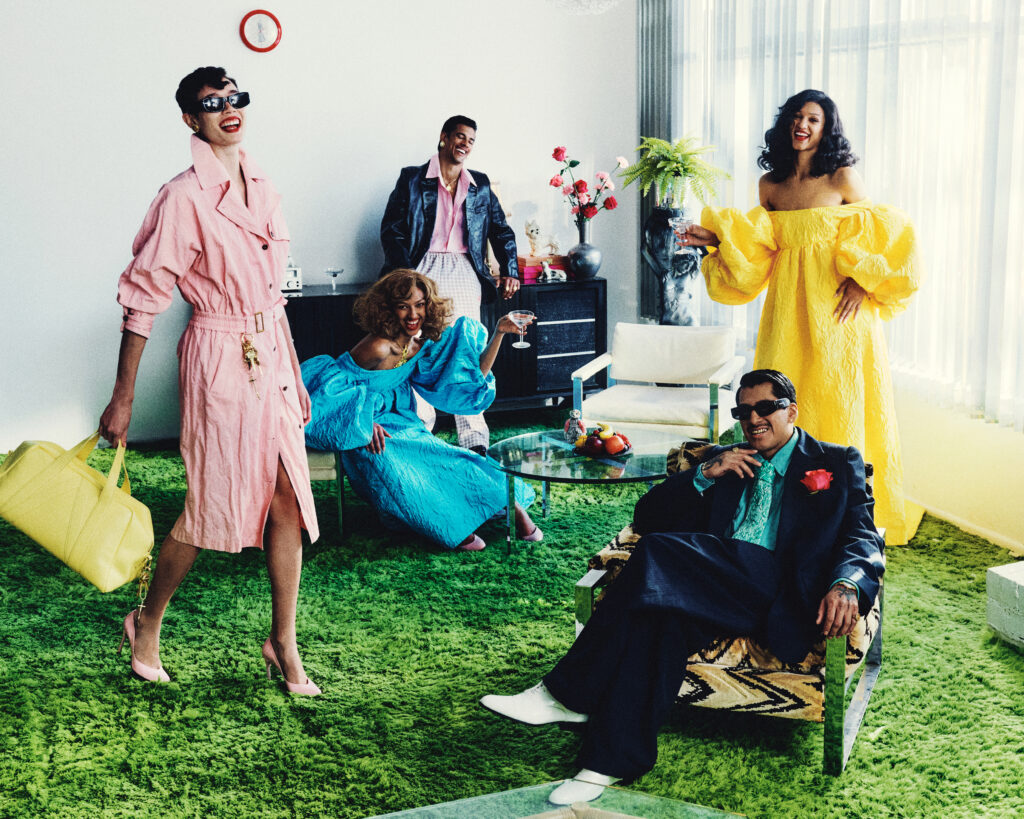
“Everyone looks good in pink,” Willy Chavarria tells us as we discuss his new editorial exploring his SS26 collection. Titled Spicy Pastels, the story invites us into a world of swampy green carpets and wood-panelled walls. The mood sits somewhere between the 1950s and the 1980s, a deliberate clash of eras and styles. But it’s all brought together by those dusty pinks, butter yellows and minty greens. Shot by Diego Bendezu and directed and styled by Chino Castilla, with hair by Oribe Session Stylist Joey George, the imagery taps into the fond memories Chavarria holds of growing up amongst the vibrant walls and mix-and-match decor of Latin households.
We caught up with the designer to walk us through the editorial, discuss its inspirations and nostalgic roots, and explore his love affair with pastels.
Barry Pierce: Could you take me through the inspiration behind the editorial?
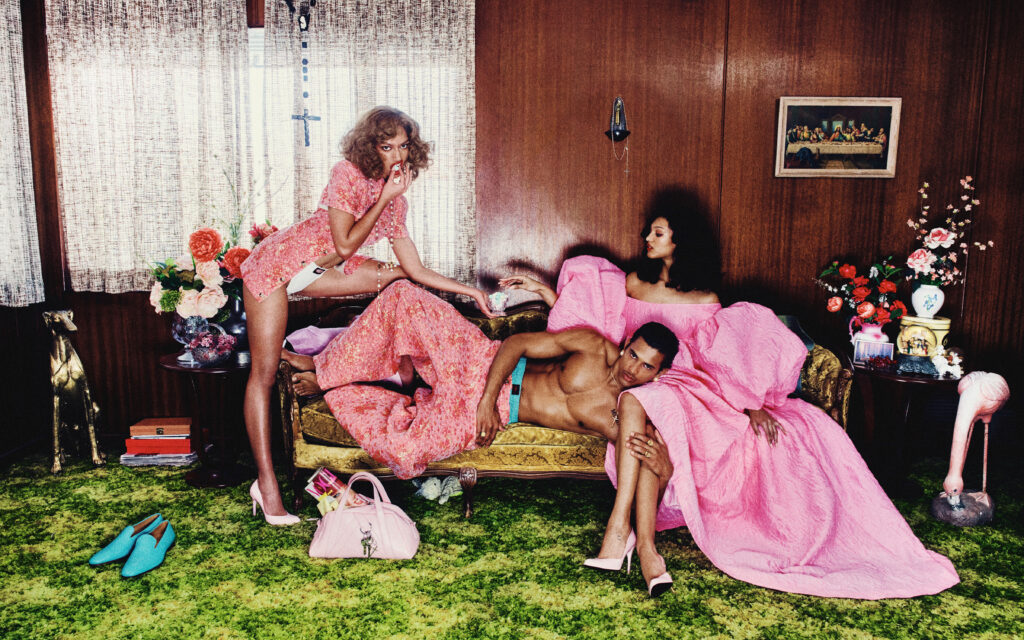
Willy Chavarria: I always love shooting in houses, because when I bring a bunch of characters into a house, in some way, it makes them feel like family or close friends. I just love the way that we can story-tell when we’re inside the house. So, as with everything I design and create, there’s kind of a narrative, and each person is a character. In this particular editorial, we have the hot guy who’s maybe from out of town but is staying at the house, who walks around with his shirt off. And then we have the hot girl who wears her skirts too low. There’s the woman who owns the house who’s always busy and can’t be bothered. And we’ve got her cousin, who’s staying there. [Laughs] It’s a fun cast of characters who we’ve brought to life in these very Latino-sensibility lifestyle situations.
BP: Are these situations based on real memories you have?
WC: They are very inspired by my own memories of the house I grew up in and other other people’s houses that I would go to as a kid. It also speaks to a connection to a certain type of home that so many Latin people identify with. You know, it’s the lighting, it’s the florals, it’s the tchotchkes. What made this editorial fun was that we shot it in a 1950s architecture house, but we used 80s furniture and 80s props. So it felt kind of like the movie, The Ice Storm. It had the same vibe as that movie, it was so cold outside and there was this looming macabre feeling behind it all.
BP: Tell me about your relationship with pastels.
WC: I absolutely love colour. It’s so interesting how that colour palette was formed. I started looking at factory worker uniforms, globally. And it turned out that when I put all of these colours together, they looked like a preppy pastel colour palette. It was so ironic that I was taking colours from Chinese factory workers in butter yellow to South American factory workers in pink, for example. There’s this amazing green that I called uniform green, it’s like a dingy mint. All of these colours together just looked so cool and very sophisticated, to me.


BP: There’s a really nice focus on the suiting and tailoring, in both the collection and the editorial. I’d love to hear more about your relationship with tailoring.
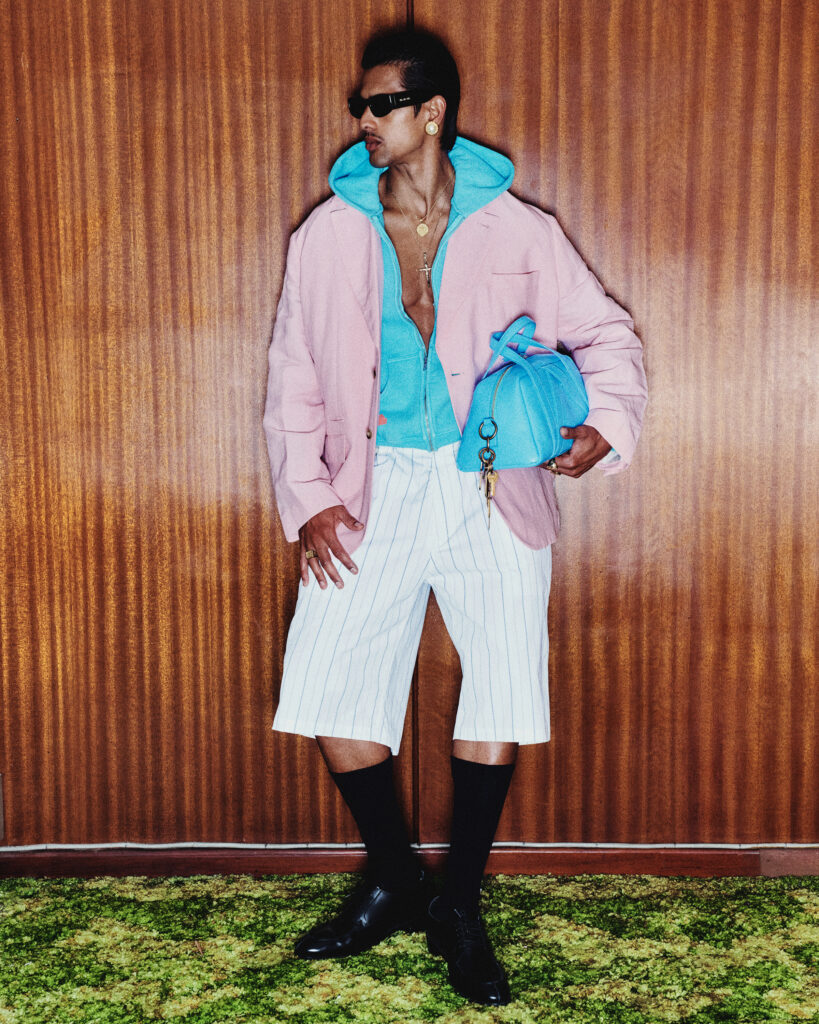
WC: As a child, I was very much drawn to the way that my great grandfather and my grandmother and my grandfather would dress. They grew up in the era when everything was tailoring. If you left the house you were wearing tailoring. Even if you had one tailored jacket, you wore it every day. I always found that just so flattering on anybody. So my approach has always been to do tailoring with very comfortable fabrics so that you don’t feel constricted. But I love the build-out of a shoulder and the cinching or the curving at the waist and the crease down the front of a pant. These are all things that I think make us feel in such tip top form, you know?

BP: This is certainly something that I’ve seen a lot of in the last few seasons, especially in Milan shows. These distinctly 1980s-style, boxy suits. There’s been a huge resurgence in that cut of suit, and they’re something that you’ve also shown. Why do you think they’ve come back?
WC: I think it’s just cyclical. And it’s funny because that suit really represented a time when the economy was flourishing. I think there’s definitely a nostalgia to it. You often see it styled with big sunglasses, or the women have big hair like they did in the 80s. And I think that nostalgia, to some of us, reminds us of a world where things were flourishing, and the economy was good, and there were parties and cocaine and everything was just fine. So to bring that into today’s modern setting where we’re living amid chaos and destruction it kind of makes us feel some kind of warmth, I think.
BP: Do you think there’s maybe an element of that in this editorial? That nostalgia? A look back at a time that seems like it’s better than today?
WC: Definitely, there’s definitely a sense of nostalgia. But I very much wanted to play it up in a way that was very Latino, to show this kind of luxury lifestyle in a way that we’re not used to seeing.
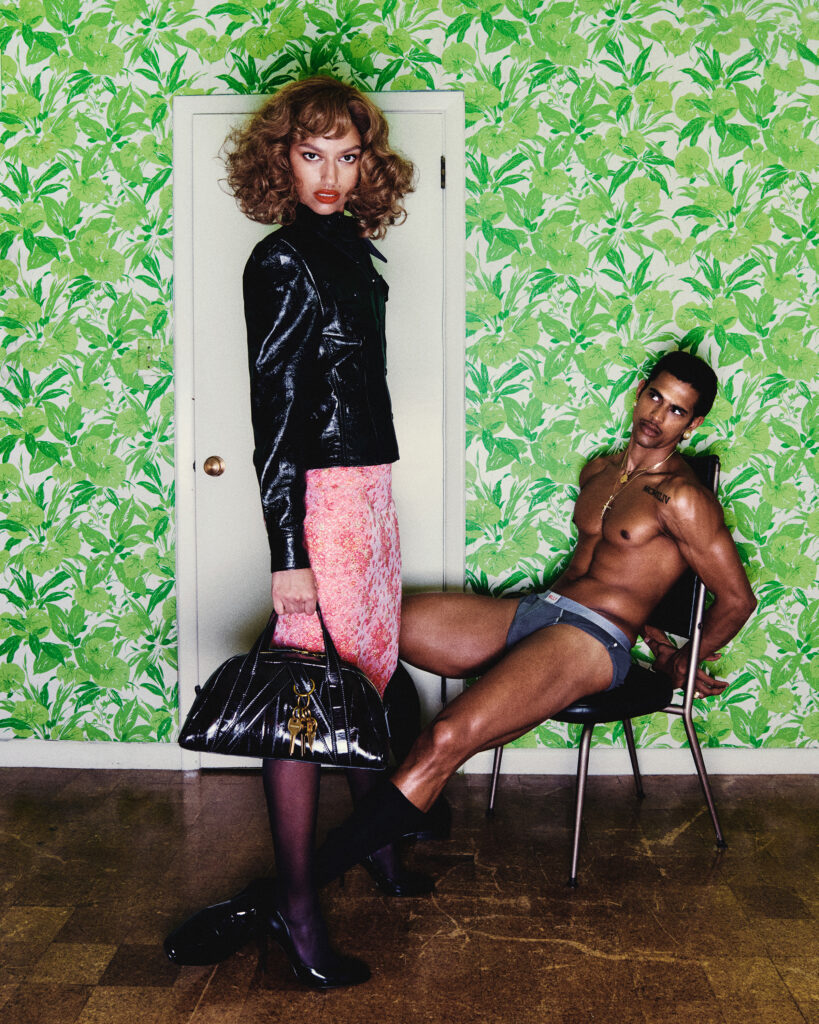
BP: There is a great sense of nostalgia about the 1980s, especially as this time of great excess. But, politically, it was a really rough decade, at both sides of the Atlantic. We’re certainly in a time right now that feels reflected in 1980s politics.
WC: Yeah, absolutely. And that’s what’s interesting about doing a shoot like this that’s set in this fantastical world that was one of privilege to so many in the 80s. When the people that are featured in the editorial were totally getting the shit end of the stick, as they are now.
BP: Is the editorial like a reclamation then?
WC: It is. I think that’s an approach I take to a lot of the work I do. I think with my shows and the colours I use and the way my silhouettes enter a room, there’s a lot of pride and empowerment that I feel is about reclamation.
Discover More